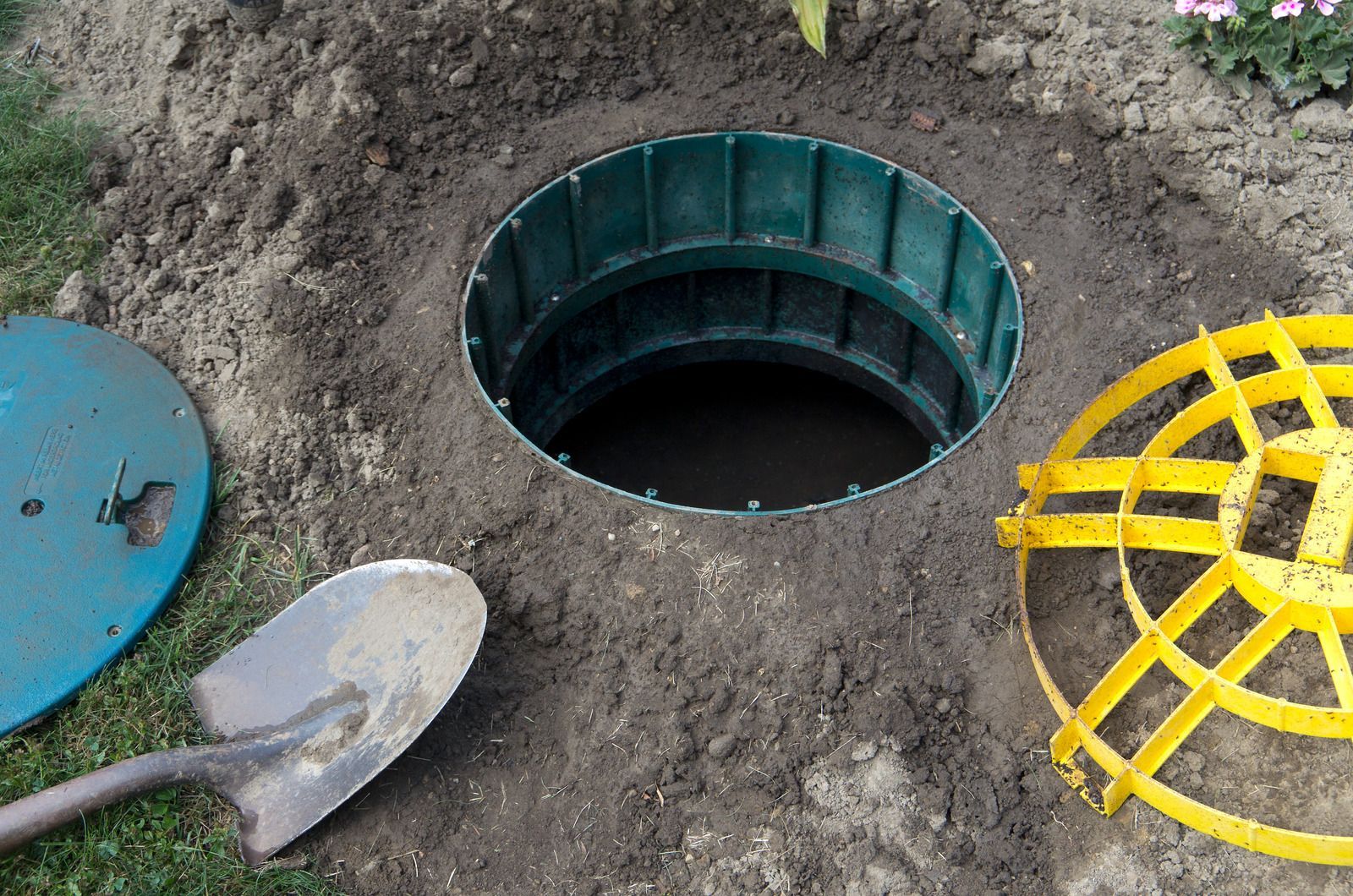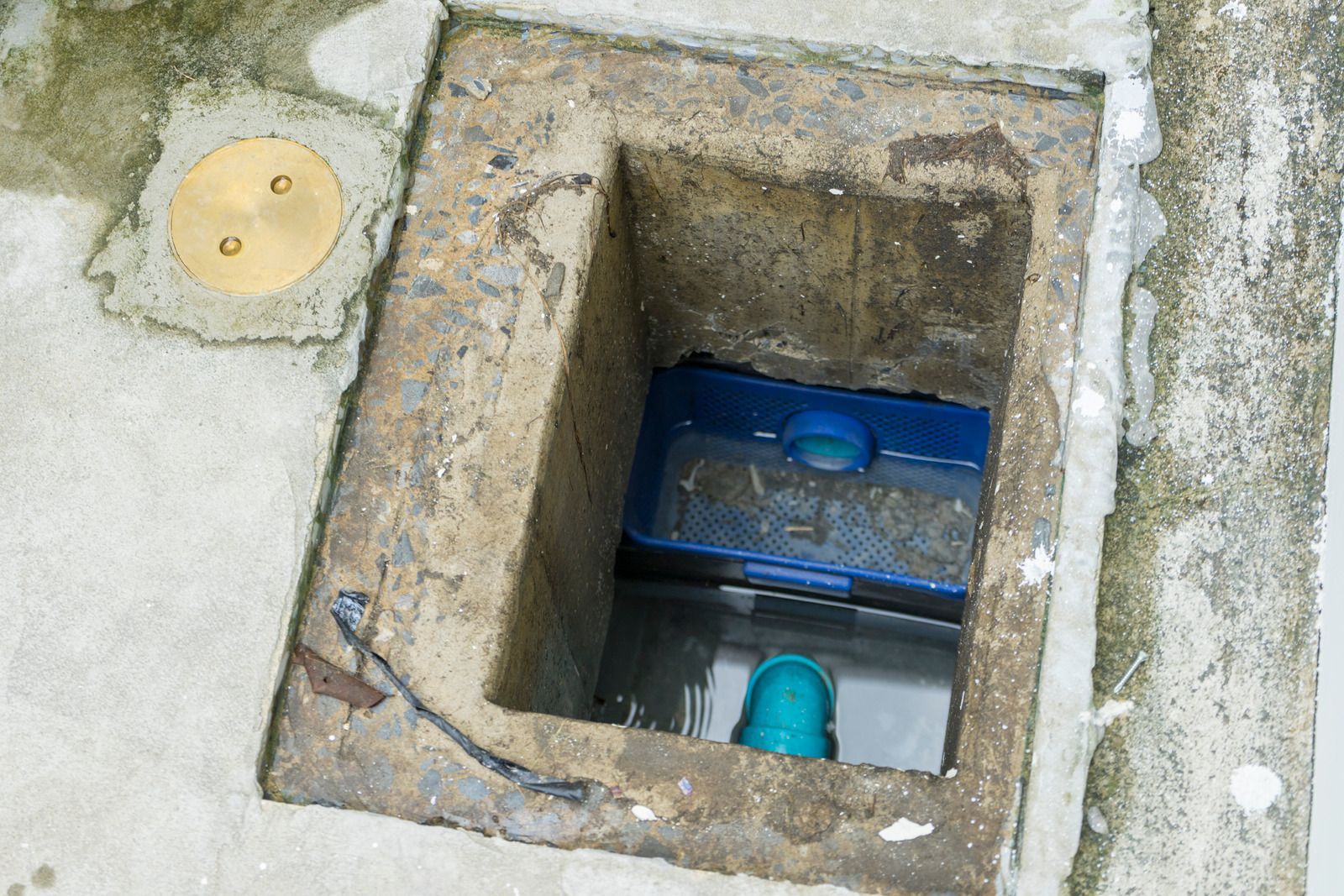
Signs Your Septic Tank Needs Pumping Before It’s Too Late
A well-maintained septic system operates quietly in the background, managing wastewater efficiently without drawing attention — until early warning signs begin to surface. Homeowners often underestimate how important septic tank pumping is to system health, structural safety, and long-term property value. Unlike visible household systems, septic components are buried underground, which means problems can progress unnoticed until they result in backups, foul odors, or expensive emergency repairs. Understanding the signs that indicate your septic tank needs pumping helps prevent avoidable failures and protects both your home and surrounding environment.
Across residential properties, septic tank issues commonly develop due to irregular maintenance, increased household water usage, or natural buildup of sludge and scum layers over time. When a tank is overdue for pumping, the system loses its ability to separate solids effectively, leading to blockages, drainfield stress, and wastewater overflow. Recognizing performance changes early — such as slow drains, pooling water, or unusual plumbing behavior — allows homeowners to respond proactively rather than react after damage has already occurred. By learning how to identify these signals and understanding why they matter, you can extend your septic system’s lifespan, reduce long-term repair costs, and maintain a safe, sanitary living environment.
1. Slow Drains and Gurgling Pipes — Early Indicators of Septic Overload
Why Drain Performance Changes Matter
One of the earliest and most overlooked signs that a septic tank needs pumping is a noticeable slowdown in sinks, showers, or toilets. Homeowners often assume these symptoms are caused by minor plumbing clogs, but when slow drainage occurs throughout multiple fixtures, it frequently indicates that the septic tank is nearing capacity. As sludge accumulates, wastewater takes longer to exit household pipes, causing delays and pressure changes inside the plumbing system, ultimately stressing components during daily household water usage.
Gurgling noises from drains or toilets are another important signal. These sounds occur when trapped air is forced back through pipes because wastewater cannot move freely into the tank. While occasional gurgling may seem harmless, consistent noise typically reflects hydraulic resistance inside the system. Left unresolved, this situation can progress into full-scale backups that affect bathrooms, basements, or utility rooms — problems that are both disruptive and costly, especially during periods of increased seasonal water demand.
Real-World Scenario
Consider a household where slow drains are ignored for months because they appear manageable. Over time, sludge levels rise to the point where solids enter the drainfield, reducing soil absorption. What could have been solved by routine pumping instead evolves into a major restoration project involving excavation, field replacement, and environmental remediation, resulting in greater financial strain on the property owners involved.
Routine pumping prevents this escalation, restoring normal drainage and protecting system components from premature failure, while extending the usable lifespan of the septic infrastructure.
2. Foul Odors Indoors or Outdoors — A Warning You Shouldn’t Ignore
What Those Unpleasant Smells Really Mean
Persistent sewage odors — whether inside the home, near drains, or around the yard — are strong indicators that a septic tank is overloaded or struggling to process waste effectively. When sludge levels rise too high, gases that are normally contained within the tank escape through vent lines, soil, or compromised seals. These odors often resemble sulfur or rotten eggs and tend to intensify after heavy water usage or rainfall, creating discomfort for occupants and nearby surrounding spaces.
Inside the home, foul smells around bathrooms or kitchens may suggest that wastewater is backing up into internal pipes. Outdoors, odors are commonly detected near the drainfield or septic tank cover, signaling surface leaks or groundwater saturation. Both situations demand immediate attention, as gas exposure and wastewater overflow pose sanitation and health risks, particularly for families with children or elderly residents nearby.
Why Timely Pumping Prevents Odor Problems
Routine septic pumping removes accumulated solids, restoring the tank’s natural separation process and preventing gas buildup. It also reduces pressure on the drainfield, minimizing the risk of wastewater surfacing. Addressing odor problems early not only improves household comfort but also protects property boundaries, landscaping, and groundwater quality, ensuring safer environmental conditions for surrounding residential areas.
3. Standing Water or Soggy Ground Near the Drainfield
Surface Moisture as a Structural Warning Sign
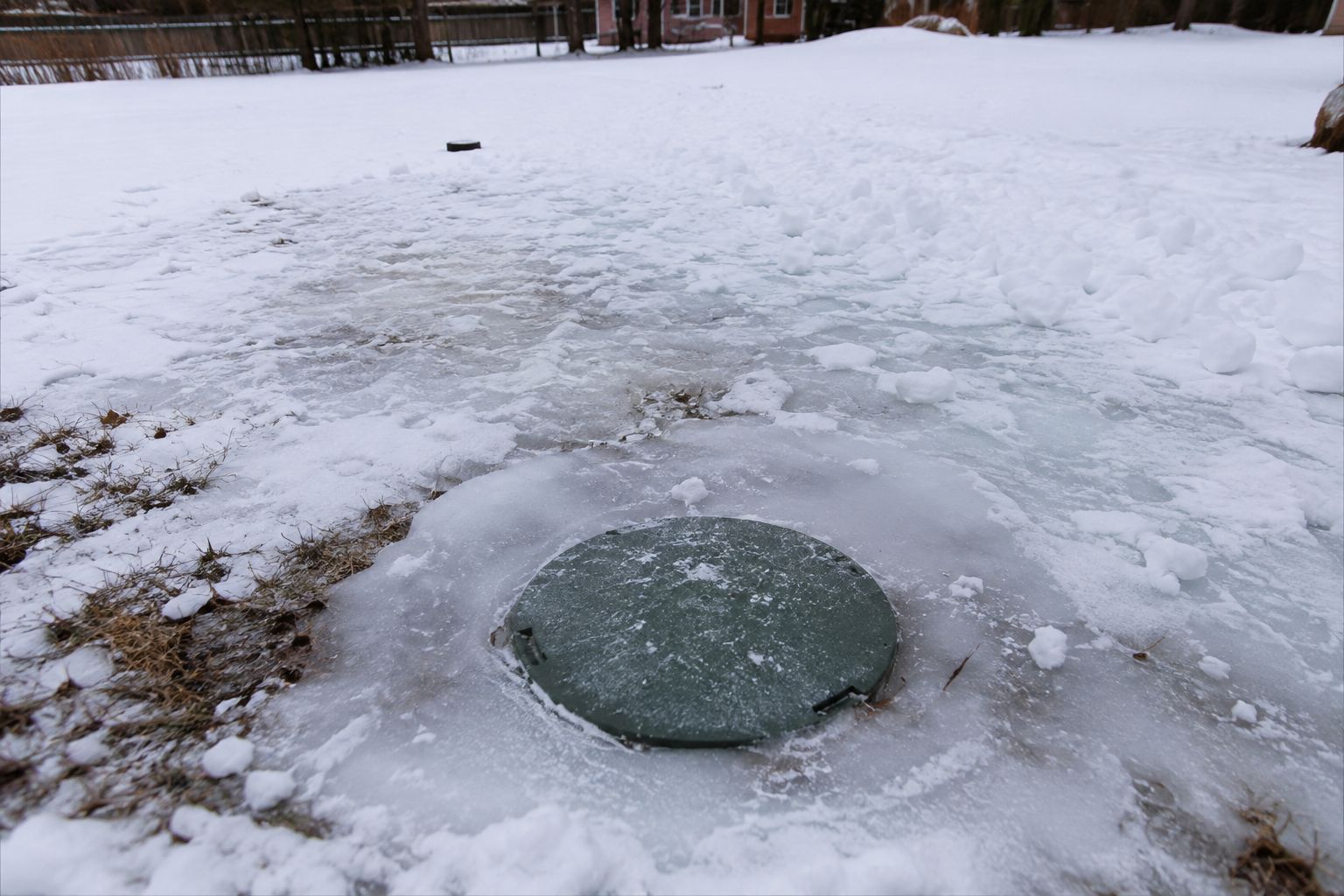
Pooling water or unexpectedly soft soil around the drainfield or septic tank area is one of the most serious warning signs that a septic tank is overdue for pumping. When solids occupy too much space inside the tank, wastewater has nowhere to go and begins migrating upward through the soil. This excess moisture can create muddy patches, lush vegetation growth, or visible puddles — especially during warm weather, often signaling deeper subsurface drainage complications developing silently.
Beyond visual impact, pooling wastewater signals hydraulic overload and possible drainfield clogging. As effluent loses its ability to absorb into surrounding soil, harmful bacteria and contaminants may reach nearby groundwater systems or outdoor surfaces, increasing environmental vulnerability across the affected landscape.
Environmental & Property Risks
Excess surface moisture can damage landscaping, attract pests, and introduce strong sewage odors. More importantly, it may indicate that the drainfield is experiencing long-term strain — a condition far more expensive to correct than routine septic maintenance. Pumping the tank helps stabilize system pressure and prevents further oversaturation, preserving soil integrity and preventing irreversible infrastructure deterioration.
4. Frequent Toilet Backups and Household Plumbing Disruptions
When Plumbing Symptoms Point to Septic Failure
Toilet backups are among the most distressing and disruptive indicators of septic tank overload. If backups occur across multiple bathrooms or floors rather than a single fixture, the issue is rarely a simple blockage — it is often a sign that wastewater has no remaining capacity inside the tank. Other related symptoms include wastewater returning to showers or floor drains, particularly during heavy household water usage periods.
Toilets requiring repeated plunging and sewage residue appearing in lower-level plumbing lines further confirm system stress. These situations create unsanitary conditions and increase the risk of interior water damage, mold growth, and structural repair expenses, leading to significant remediation challenges for homeowners.
Best Practices to Prevent Recurring Backups
Homeowners can reduce the likelihood of septic-related backups by scheduling pumping based on household size and water usage, ensuring maintenance aligns with real-world system demands.
Avoiding harsh chemical drain cleaners, limiting disposal of wipes, grease, and non-biodegradable materials, and spreading out laundry and high-volume water activities all help reduce hydraulic strain across plumbing networks during routine operation.
Proactive septic tank pumping remains the most effective method for preventing recurring plumbing disruptions and preserving long-term system reliability, offering greater peace of mind for households year after year.
5. Time Since Last Pumping — Maintenance Schedules That Protect Your System
Why Service Intervals Matter
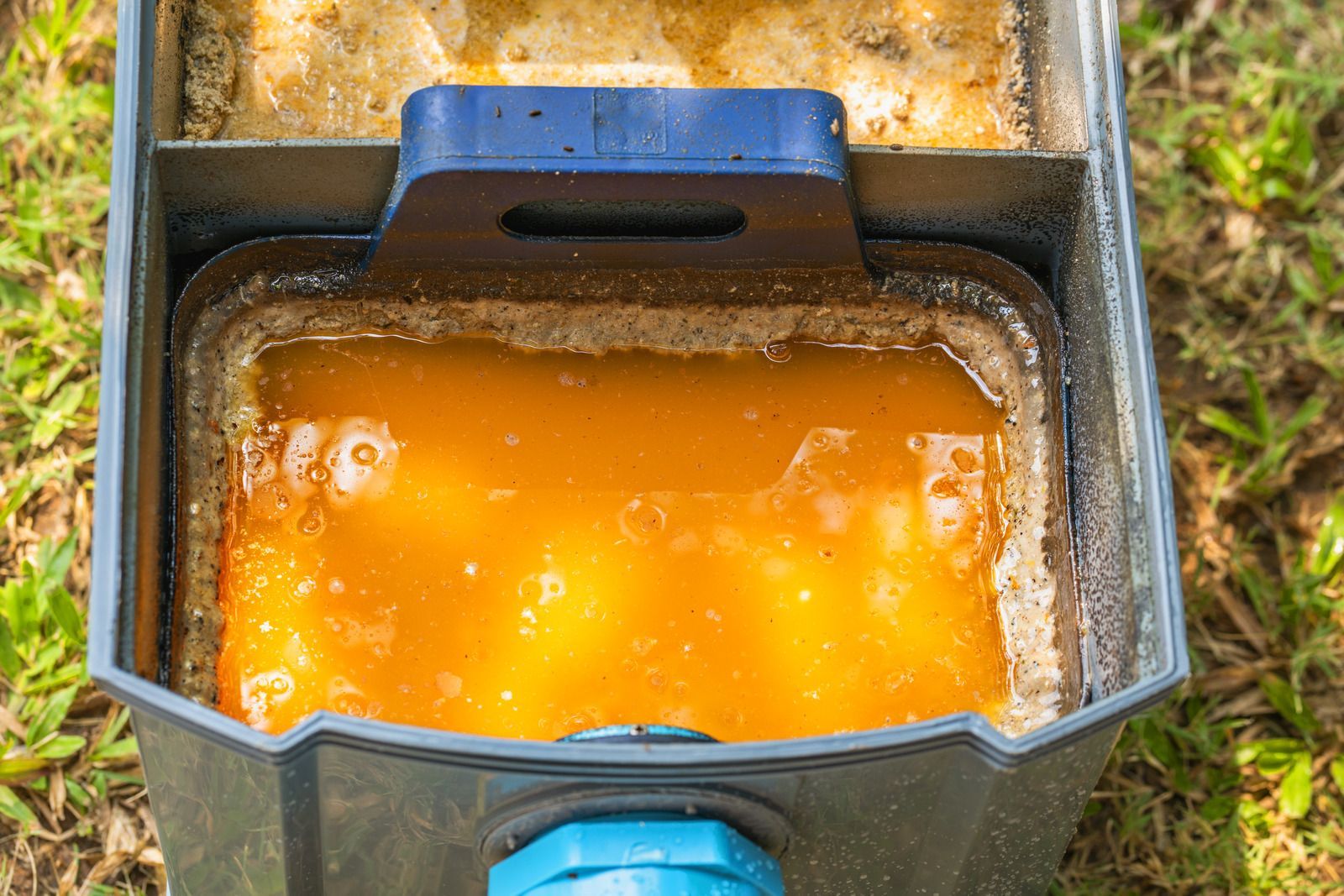
Even if visible symptoms are not present, the age of maintenance history alone can indicate whether pumping is overdue. Over several years, sludge naturally accumulates at the bottom of the septic tank, while oils and grease form a floating scum layer at the top. Once these layers become too thick, the separation process fails — allowing solids to escape into the drainfield, increasing risk of expensive structural septic deterioration.
Many households go years without professional inspection simply because the septic system appears to function normally. However, septic performance often declines gradually, meaning complications may already be developing underground, unnoticed until serious functional consequences appear.
Factors That Influence Pumping Frequency
Recommended pumping intervals generally depend on number of occupants in the home, water consumption habits, tank capacity and system age, and prior maintenance history, which together shape how quickly solids accumulate inside the tank.
Homes with large families, increased laundry usage, or frequent guests typically require more frequent pumping than smaller households. Establishing a preventive service schedule ensures consistent performance, protects property value, and reduces long-term repair liability, supporting smarter maintenance planning for future homeowners.
A septic system functions efficiently only when solids are managed before they overwhelm the tank and drainfield. The warning signs discussed — including slow drains, persistent odors, pooling water, recurring backups, and extended periods without pumping — serve as essential indicators that action is needed. Ignoring these symptoms allows minor maintenance issues to evolve into complex structural failures that affect household safety, sanitation, and financial stability.
Timely septic pumping preserves efficiency, extends system lifespan, and supports healthier property conditions. By paying attention to performance changes, scheduling regular inspections, and responding to early signals, homeowners can avoid disruptive emergencies and maintain reliable wastewater management. Proactive care not only prevents avoidable repair costs but also protects environmental resources and reinforces long-term peace of mind.
Trusted Local Septic Professionals Focused on Reliability
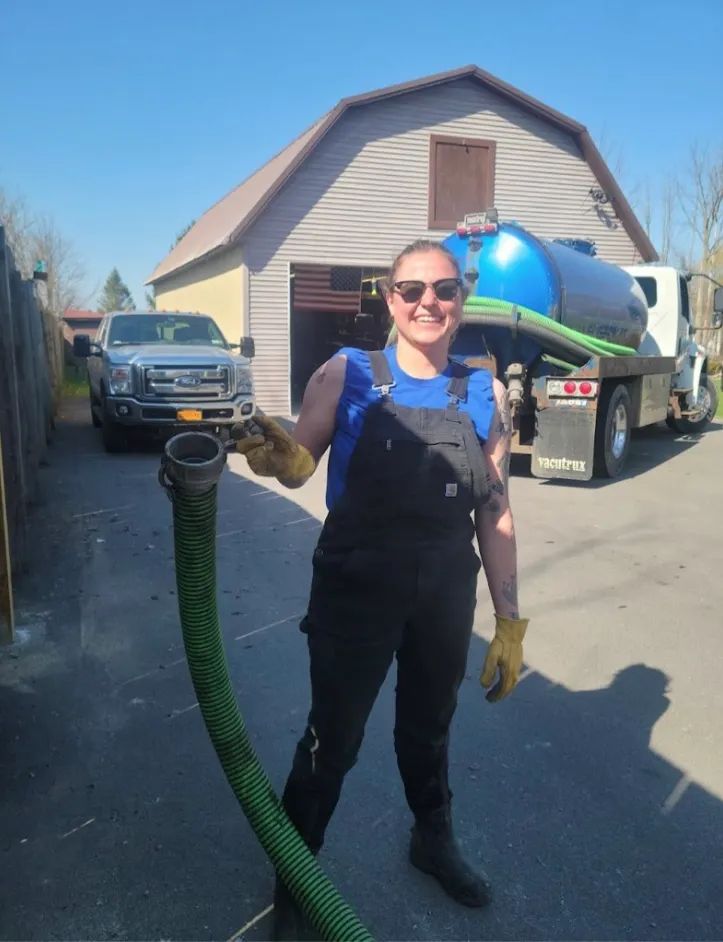
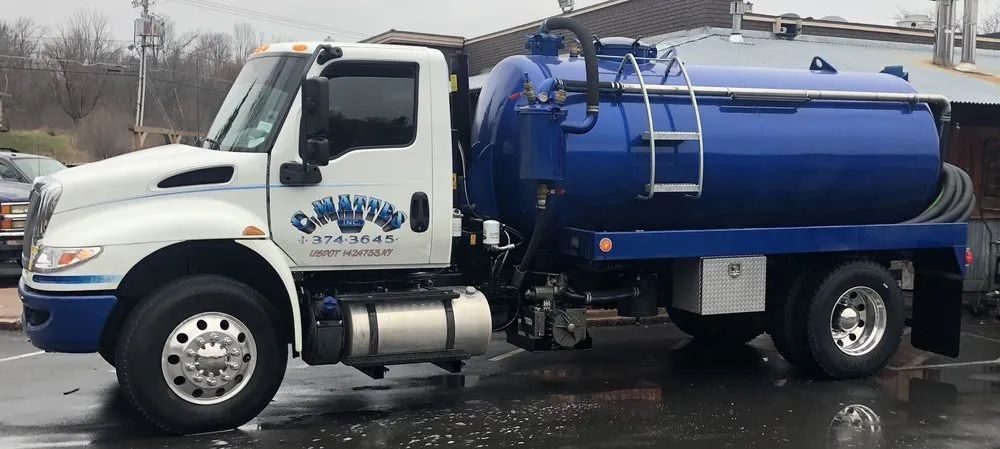
For homeowners who want expert guidance and dependable septic maintenance support, C Mattes Inc. stands out as a trusted local partner serving Syracuse, NY with several years of specialized industry experience. The company is known for delivering knowledgeable, detail-driven septic pumping and system evaluation services that prioritize safety, reliability, and long-term performance. Their team approaches every project with a problem-solving mindset, combining technical expertise with practical field insight to help homeowners understand system condition, risks, and preventive solutions. Whether responding to early warning signs, diagnosing emerging issues, or establishing routine maintenance schedules, they provide transparent recommendations grounded in real-world septic system behavior. C Mattes Inc. is committed to supporting homeowners through responsible maintenance practices that reduce emergency failures, protect property investments, and promote environmental stewardship. By choosing an experienced septic professional with a proven track record, property owners gain confidence that their wastewater system is being maintained with care, precision, and industry-informed expertise.