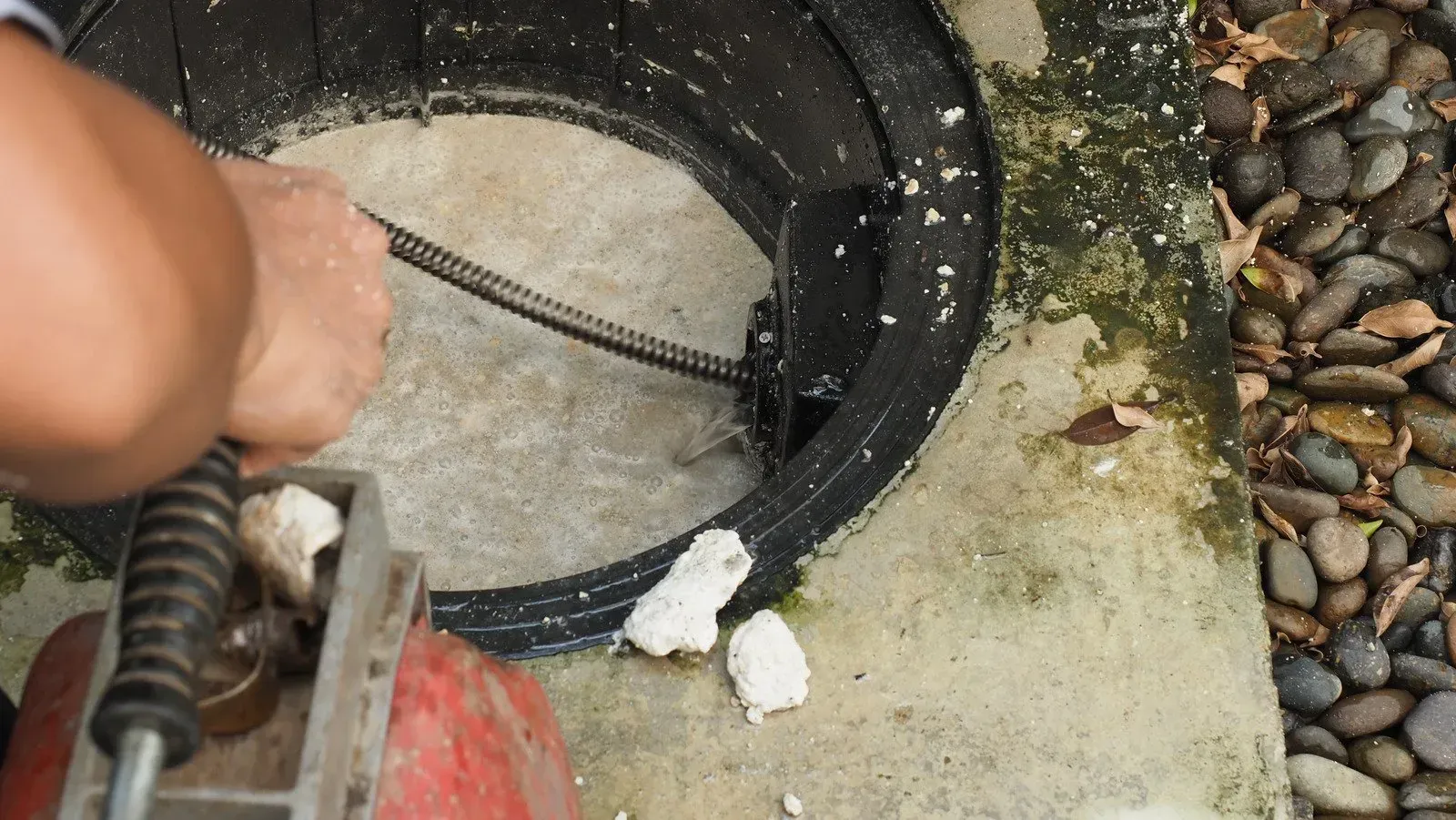
How Regular Septic Tank Pumping Prevents Costly Home Damage
Septic systems are essential components of many homes, quietly managing wastewater and protecting both the household and the surrounding environment. Despite their importance, these systems are often overlooked until a problem arises. Homeowners may underestimate the consequences of neglecting septic tank maintenance, which can lead to expensive repairs, property damage, and health hazards. Understanding the critical role of regular septic tank pumping can help prevent these costly issues, prolong the system’s lifespan, and maintain the efficiency of your home’s plumbing infrastructure.
Neglecting septic maintenance can result in serious complications, such as wastewater backups, structural damage, and contaminated soil or groundwater.
Regular pumping is a preventative measure that ensures the system functions smoothly, reducing the risk of emergencies that can disrupt daily life and drain financial resources. Homeowners who proactively manage their septic systems not only avoid significant repair costs but also enhance the overall health and safety of their property. In today’s fast-paced world, investing time and resources into routine septic care is a practical decision that offers long-term peace of mind and protects one of your most valuable assets—your home.
Understanding Your Septic System
How a Septic System Works
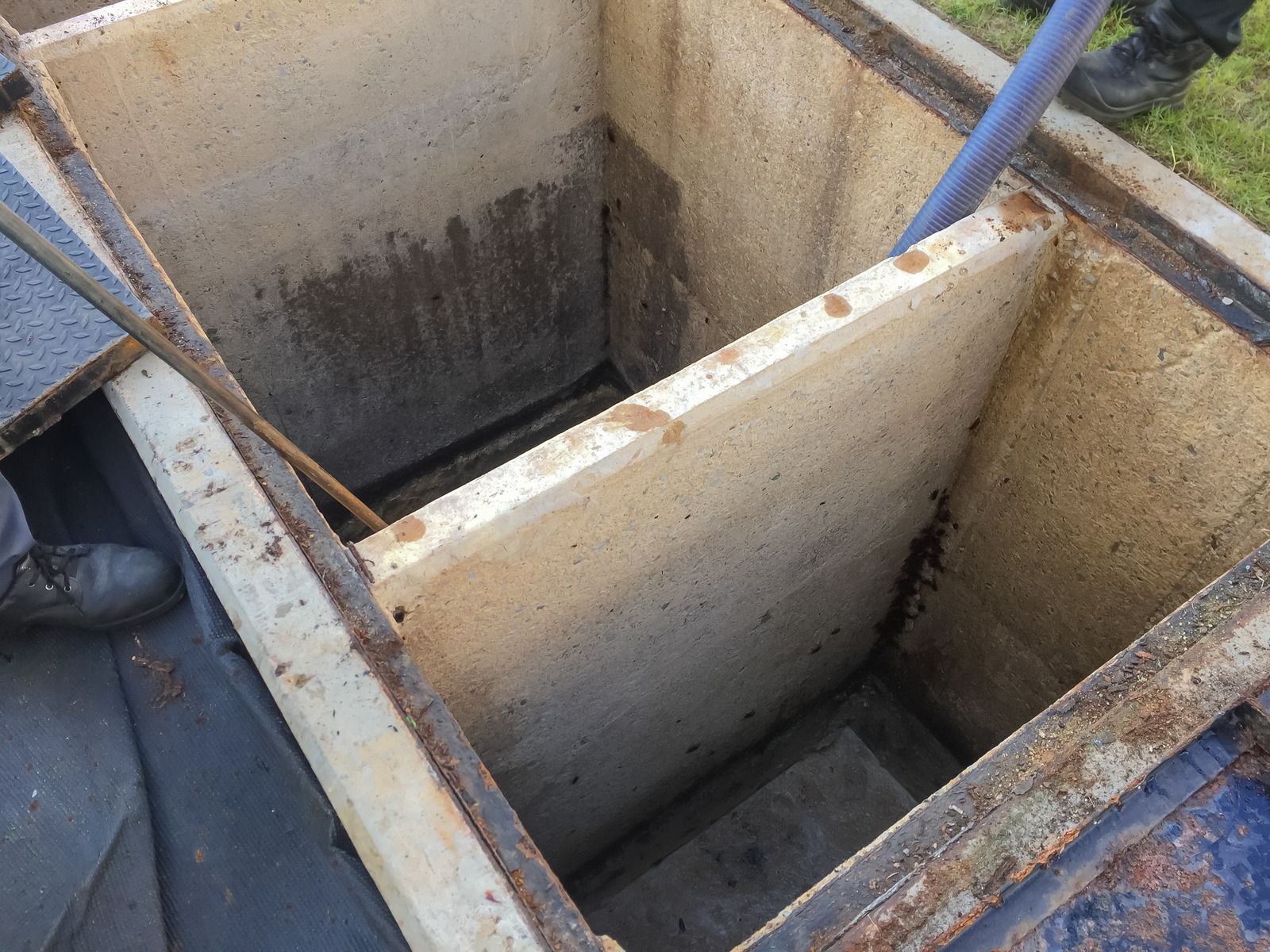
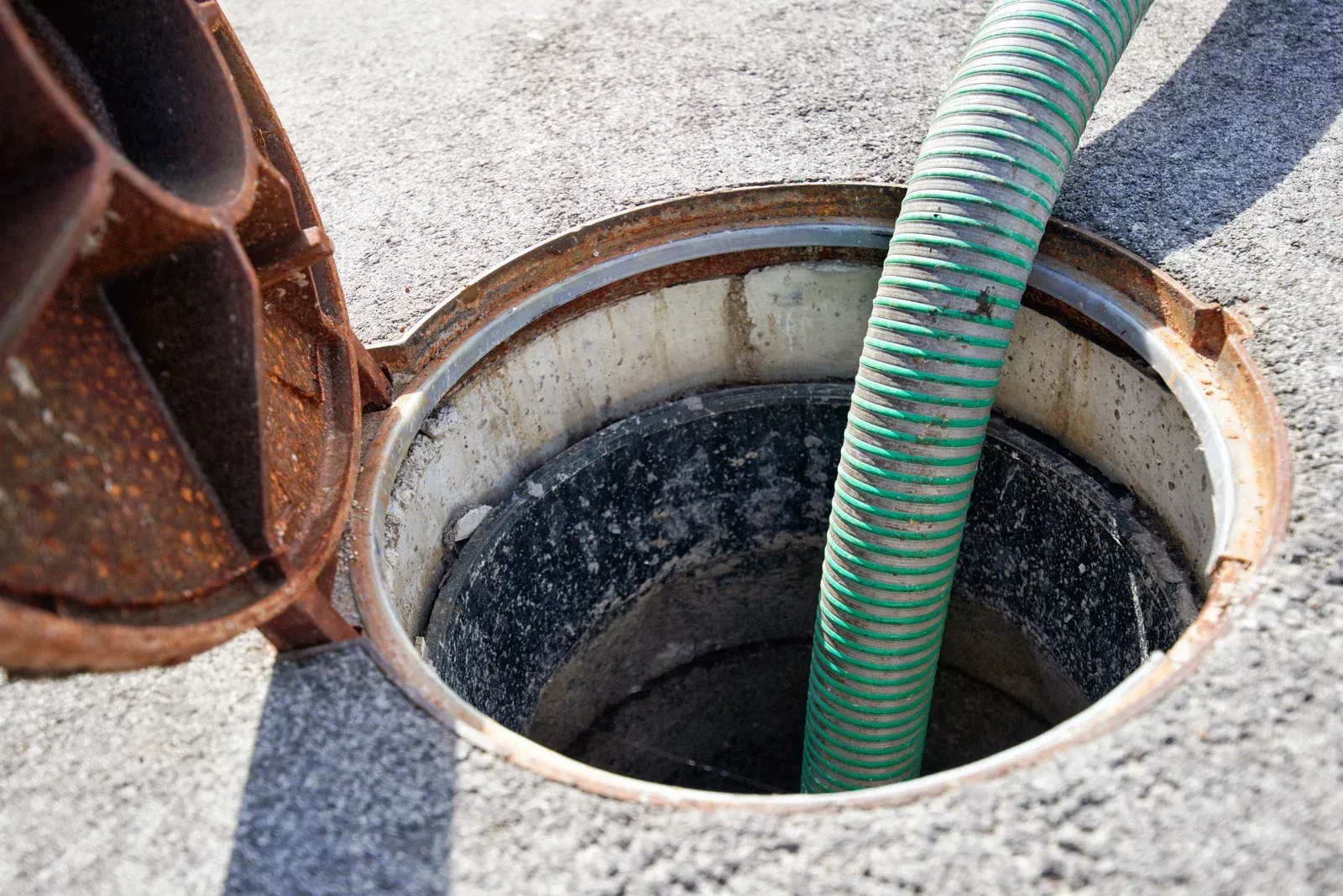
A septic system is a self-contained underground wastewater treatment facility that serves homes not connected to municipal sewer lines. It typically consists of a septic tank, a drain field (or leach field), and a network of pipes. Wastewater from toilets, sinks, showers, and appliances flows into the septic tank, where solids settle at the bottom to form sludge, while oils and lighter particles form a scum layer on top. The liquid effluent in between then exits the tank into the drain field for natural filtration and absorption into the soil.
Why Pumping Is Crucial
Over time, sludge and scum layers accumulate, reducing the tank’s capacity and efficiency. If these layers are not removed through regular pumping, they can overflow into the drain field, causing blockages and system failure. A clogged drain field prevents proper filtration, leading to untreated wastewater backing up into your home or surfacing in your yard. By scheduling routine pumping, homeowners can maintain optimal system performance, prevent environmental contamination, and reduce the risk of costly emergency repairs.
Real-World Implications
For instance, consider a home where the septic tank hasn’t been pumped in over a decade. The sludge buildup eventually causes a drain field blockage, resulting in sewage backup into the basement. This scenario not only demands immediate and expensive repairs but also introduces potential health hazards from exposure to raw sewage. In contrast, homeowners who adhere to regular pumping schedules typically avoid such crises, preserving both property value and the integrity of their plumbing system. Regular maintenance is a small investment compared to the significant costs of major repairs or system replacement.
The Risks of Neglecting Septic Pumping
Structural Damage and Property Costs
Neglecting septic tank maintenance can lead to significant structural damage. Untreated wastewater can erode the foundation, damage flooring, and compromise landscaping. A saturated drain field can cause soil instability, leading to costly repairs for patios, driveways, or walkways. In some cases, homeowners may face the complete replacement of their septic system—a process that can run into thousands of dollars.
Health and Environmental Hazards
A failing septic system poses serious health risks. Wastewater contains harmful bacteria, viruses, and pathogens. If backups or leaks occur, these contaminants can enter the home or surrounding soil, posing a threat to residents’ health. Additionally, untreated effluent can seep into groundwater, contaminating wells and nearby water sources. This environmental impact can result in fines or required remediation measures, further increasing costs.
Common Warning Signs
Homeowners should watch for signs of septic system issues, including slow drains, unpleasant odors, pooling water in the yard, and unusually green patches of grass over the drain field. These warning signs often indicate a system nearing failure. Recognizing these early indicators allows for timely pumping and maintenance, which prevents escalation into a major problem.
Benefits of Regular Septic Tank Pumping
Prolongs System Lifespan
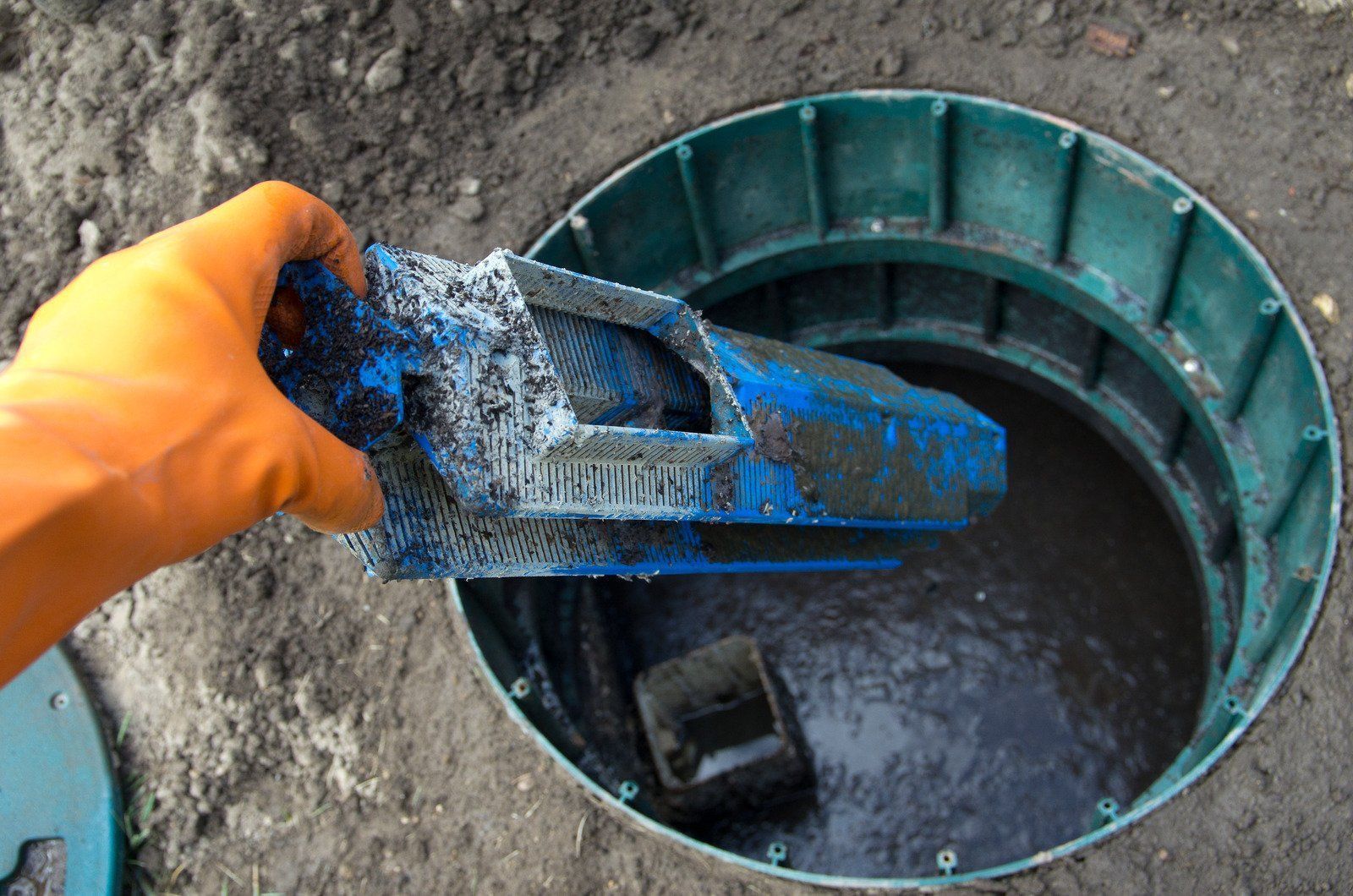
Regular pumping removes accumulated sludge and scum, allowing the septic system to operate efficiently. Well-maintained tanks can last decades longer than neglected ones, delaying the need for costly replacements.
Prevents Sewage Backups
Routine maintenance reduces the risk of sewage backing up into the home, protecting interiors, appliances, and personal property. This preventive measure safeguards your living environment and minimizes stress.
Protects the Drain Field
The drain field is a critical component of septic systems. Pumping prevents solid waste from entering and clogging this area, ensuring proper absorption and natural filtration.
Prevents Reduces Environmental ContaminationBackups
A properly maintained septic system prevents untreated wastewater from leaking into soil and groundwater. This helps protect local water sources and reduces the risk of fines or environmental damage.
Saves Money Over Time
Emergency septic repairs or replacements are significantly more expensive than routine pumping. Scheduled maintenance is a cost-effective solution that prevents financial strain from unexpected system failures.
Ensures Regulatory Compliance
Many municipalities require septic systems to be maintained according to local regulations. Regular pumping ensures compliance, avoiding penalties and maintaining legal and environmental responsibility.
Best Practices for Septic Maintenance
Establish a Pumping Schedule
Septic tanks generally require pumping every three to five years, depending on household size, water usage, and tank capacity. Larger families or homes with high water consumption may need more frequent servicing.
Monitor Usage and Wastewater Volume
Avoid overloading the system with excessive water or inappropriate materials, such as grease, coffee grounds, or non-biodegradable items. Proper usage prolongs system efficiency and reduces the risk of clogs.
Professional Inspection
Have your septic system inspected regularly by a licensed professional. They can identify minor issues before they escalate, including leaks, root intrusions, and early signs of drain field problems.
Maintain Drain Field Care
Avoid parking vehicles or placing heavy objects on the drain field. Limit planting of trees and shrubs nearby, as roots can damage pipes. Proper drainage and landscaping practices prevent system disruption.
Record Keeping
Maintain detailed records of pumping dates, inspections, and repairs. This information helps schedule timely maintenance and provides proof of care for insurance or property transactions.
Expert Insights and Real-Life Scenarios
Professional septic service providers often highlight that homeowners underestimate the importance of regular pumping. A common scenario involves a household ignoring routine maintenance, resulting in sludge entering the drain field. The outcome can include contaminated landscaping, foul odors, and high remediation costs. Experts emphasize proactive measures: scheduling pumping in accordance with system size and usage, performing inspections, and educating residents about proper waste disposal.
In contrast, homeowners who follow expert guidance frequently report decades of trouble-free operation. For example, a family in a suburban area of Syracuse, NY, consistently pumped their septic tank every three years. This simple practice prevented backups, extended the tank’s lifespan, and avoided environmental contamination, saving thousands in repair and remediation costs. Real-world experiences consistently reinforce that regular septic maintenance is far more cost-effective than reactive repairs.
Overcoming Common Challenges in Septic Maintenance
Scheduling and Accessibility
Busy homeowners may struggle to schedule pumping or inspections. Planning ahead and maintaining a calendar for regular service ensures the system receives consistent attention.
Cost Perception
Some homeowners view septic maintenance as an unnecessary expense. Educating residents about the comparative costs of repairs versus routine pumping clarifies its long-term financial benefits.
Lack of Knowledge
Understanding the septic system’s components and functions is essential. Local service providers can guide homeowners through system operation, maintenance schedules, and warning signs of failure.
Seasonal and Environmental Factors
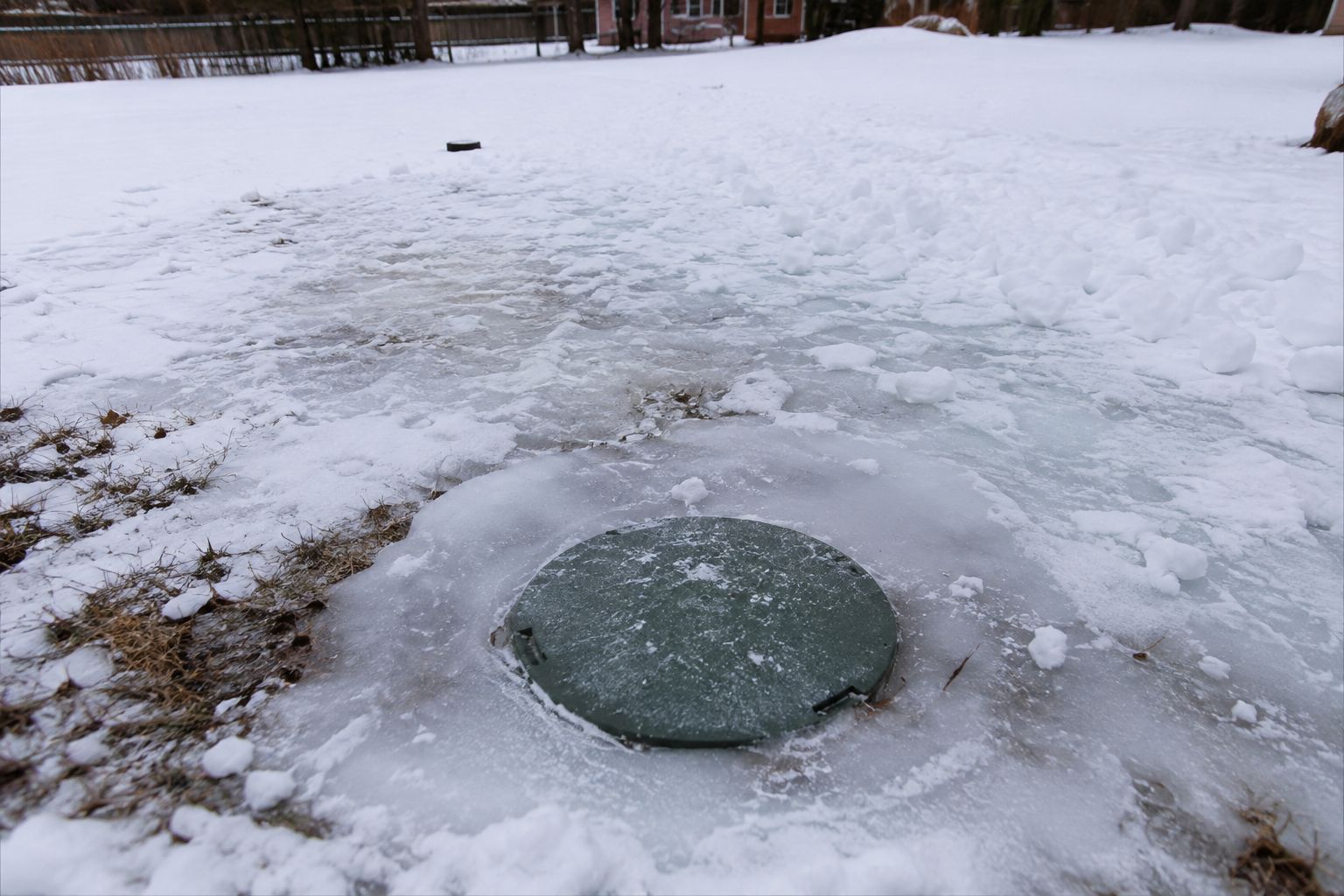
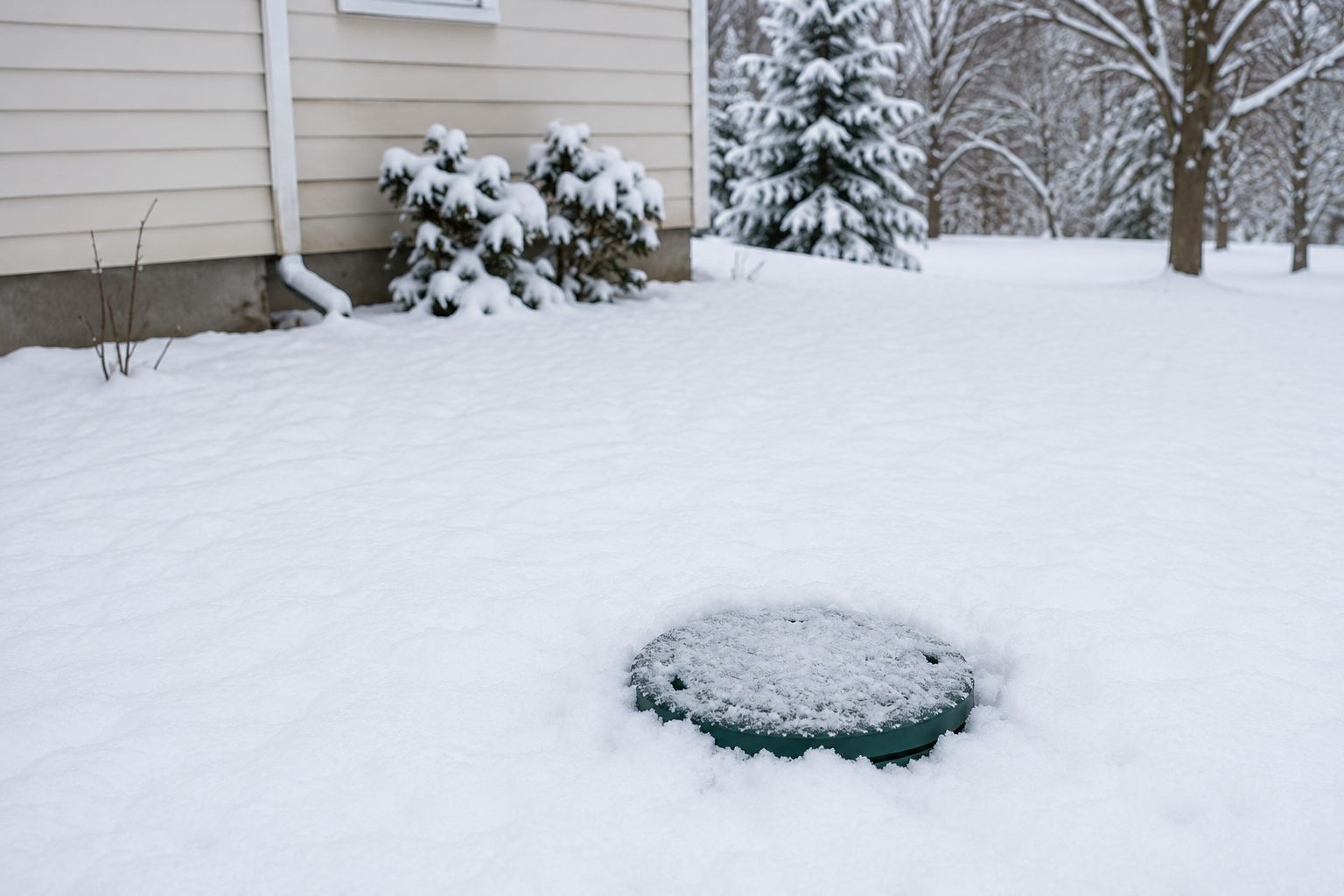
Extreme weather, flooding, or frozen ground can affect septic performance. Professional inspection and timely pumping minimize risks associated with environmental factors, ensuring the system functions efficiently year-round.
By addressing these challenges proactively, homeowners protect their property, enhance safety, and maintain system longevity. Consistent septic maintenance, guided by professional expertise, is the most reliable approach to avoiding costly home damage.
Expert Technicians Preventing Expensive Septic System Failures
Regular septic tank pumping is a critical investment in the long-term health and functionality of any home’s plumbing system. By proactively removing accumulated waste, homeowners can prevent backups, protect the drain field, and avoid structural and environmental damage. Routine maintenance also reduces the likelihood of costly emergency repairs and ensures compliance with local regulations. Understanding how the septic system operates, recognizing warning signs, and following best practices are key to maximizing system efficiency and lifespan. Homeowners who integrate regular pumping into their property maintenance schedule enjoy peace of mind, financial savings, and a healthier living environment.
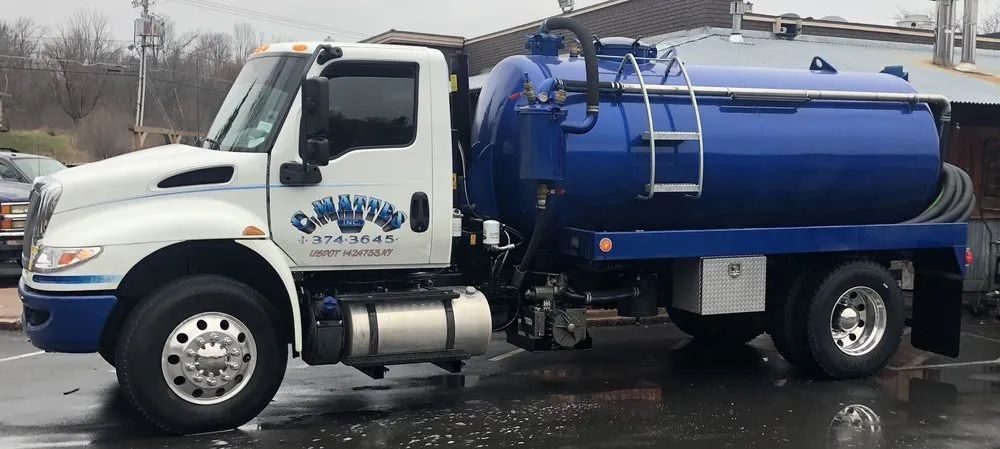
C Mattes Inc, located in Syracuse, NY, is a trusted authority in septic system services with several years of experience supporting homeowners across the region. The company specializes in professional septic tank pumping, inspections, and maintenance, providing reliable solutions that prevent costly home damage. Their team of licensed technicians combines technical expertise with a commitment to exceptional customer service, ensuring every septic system operates efficiently and safely.
Homeowners working with C Mattes Inc
benefit from tailored service plans, clear guidance on proper system care, and responsive support for both routine and emergency needs. By prioritizing preventative maintenance and timely pumping, the company helps clients avoid the expensive consequences of neglecting their septic systems. With a proven track record, C Mattes Inc. has built a reputation for integrity, professionalism, and dependable service, making them a go-to partner for residents in Syracuse, NY, seeking to protect their homes, plumbing infrastructure, and overall property value.
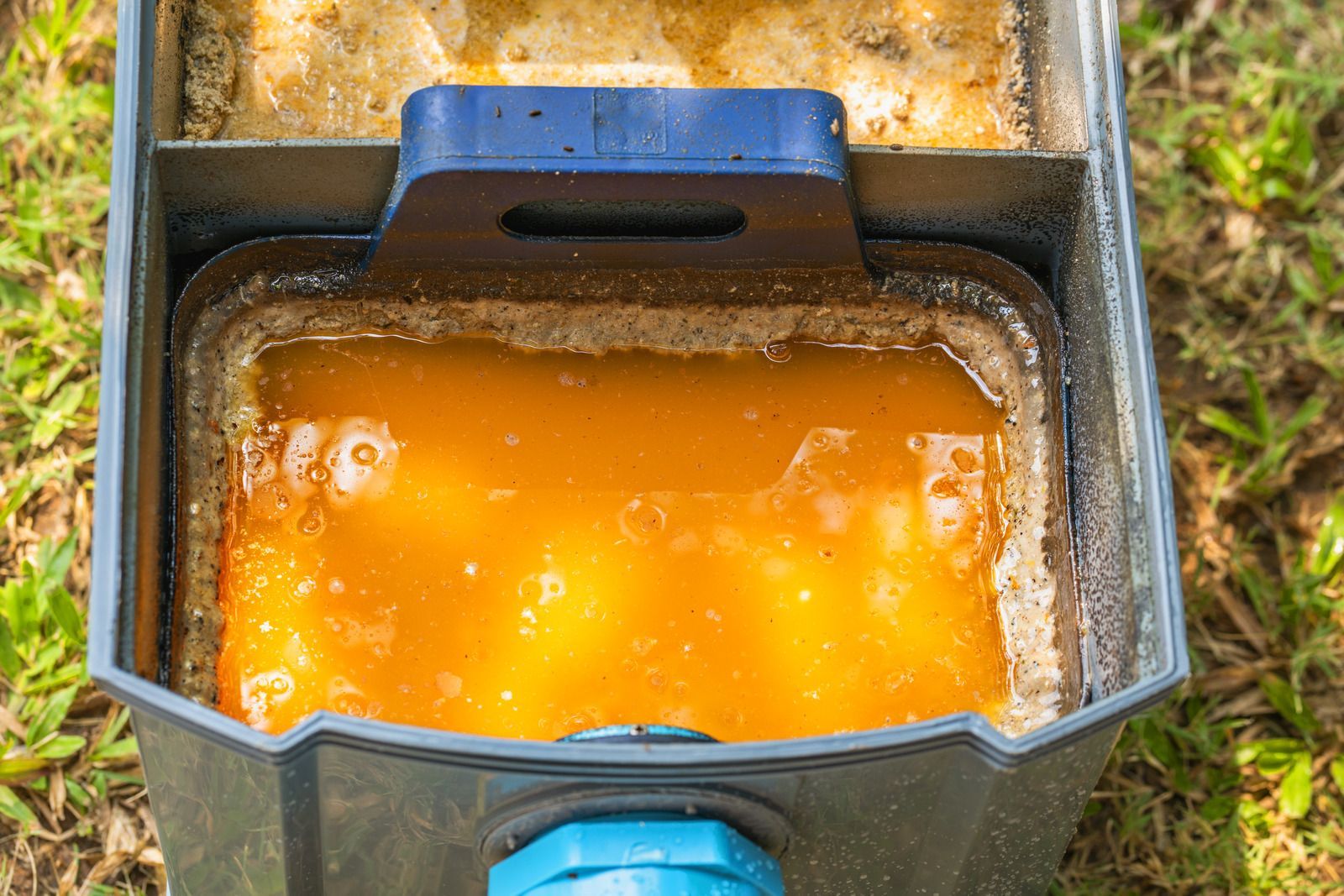
How Neglected Grease Traps Can Disrupt Your Business — And What Regular Pumping Does to Prevent That