Step-by-Step Guide: What to Expect During Septic Tank Pumping
Maintaining a healthy septic system is a critical aspect of responsible property ownership, yet it’s often overlooked until problems arise. Septic tanks play a vital role in managing household wastewater, preventing contamination, and protecting the surrounding environment from harmful pollutants. Over time, solids and scum accumulate within the tank, reducing its efficiency and potentially leading to backups, foul odors, or costly repairs that could disrupt daily life. Regular septic tank pumping is the most effective preventive measure, ensuring the system operates smoothly, extending its lifespan, and avoiding unexpected emergency services. For homeowners and property managers alike, understanding the system’s function and the maintenance process is essential for both practical upkeep and informed decision-making, as well as long-term cost savings.
Despite its importance, many homeowners are unfamiliar with what septic tank pumping truly entails. The process involves much more than simply removing waste; it requires careful inspection of the tank’s condition, professional handling of materials, and strict adherence to safety and environmental standards to prevent hazards. Knowing what to expect before, during, and after the pumping process can alleviate stress, reduce unexpected issues, and help owners take proactive steps to maintain their system efficiently. This guide provides a comprehensive, step-by-step overview of septic tank pumping, including preparation, execution, inspection, and follow-up care, empowering homeowners to protect their property, make informed maintenance decisions, and avoid preventable emergencies while ensuring environmental responsibility.
Understanding Septic Tank Pumping
What Septic Tank Pumping Entails
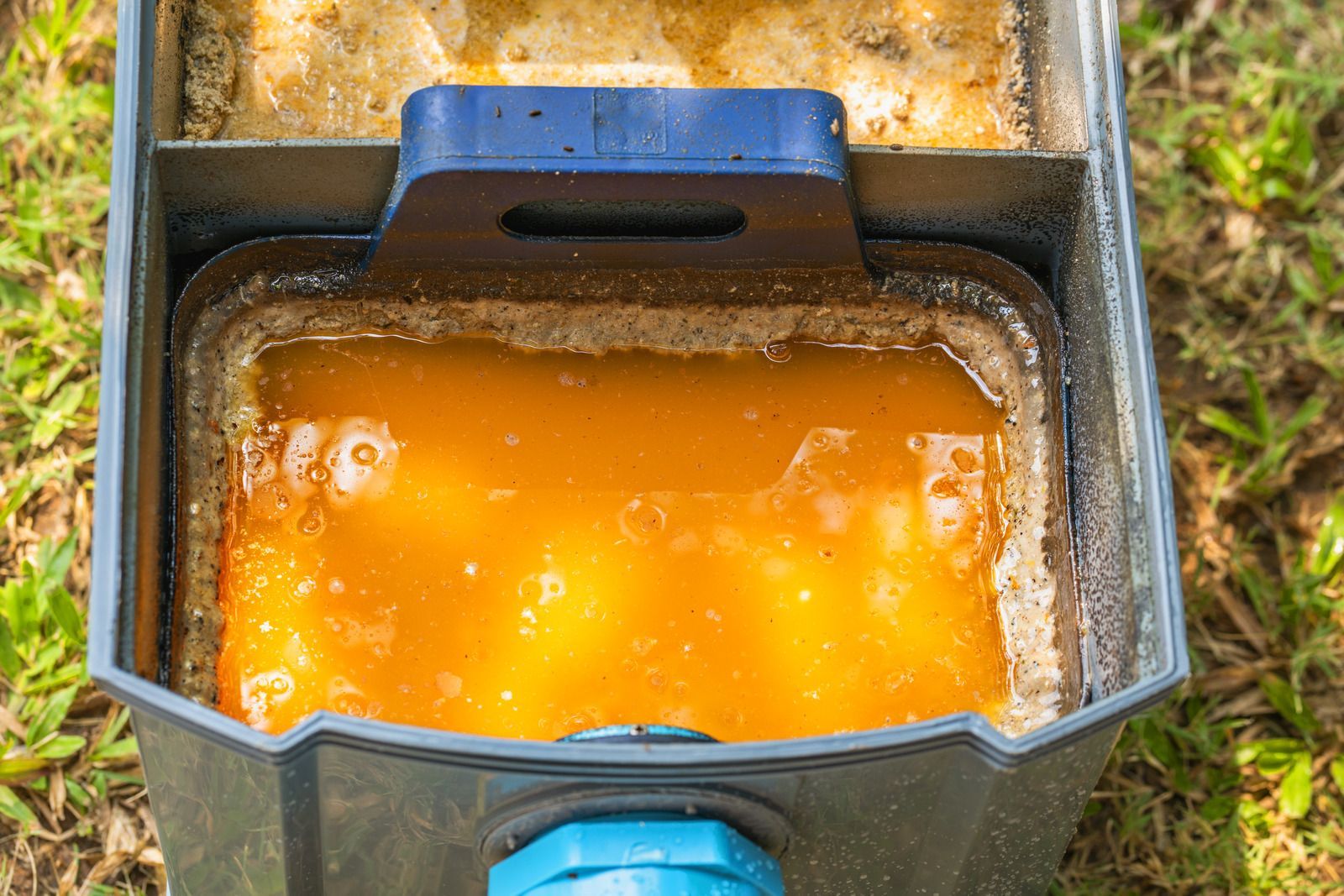
Septic tank pumping is the process of removing accumulated solids and sludge from the tank to maintain proper system function. Over time, wastewater separates into three layers: scum (floating materials), effluent (liquid wastewater), and sludge (settled solids). When sludge levels rise too high, they can flow into the drain field, causing clogs, backups, and environmental hazards. Pumping prevents these issues, ensuring the septic system continues to treat and disperse wastewater efficiently.
Signs Your Tank Needs Pumping
Recognizing the warning signs of a full or failing tank can save homeowners from costly repairs. Common indicators include slow-draining sinks or toilets, gurgling sounds in plumbing, strong sewage odors around the tank or yard, and pooling water near the drain field. Scheduling regular pumping—typically every three to five years, depending on household size, water usage, and tank capacity—can prevent these problems and extend the life of the septic system.
Benefits of Regular Pumping
Regular pumping improves system performance, prevents backups, and protects property value. It also minimizes environmental risks, as untreated wastewater can contaminate groundwater, streams, and soil. Furthermore, preventive maintenance is more cost-effective than emergency repairs, making pumping a sound investment for homeowners.
Preparing for Septic Tank Pumping
Pre-Pumping Inspection
Before pumping, professionals conduct a thorough inspection to assess the tank’s overall condition and identify any potential issues that may exist. They carefully check for structural damage, leaks, and the depth of scum and sludge layers. This critical step ensures that the pumping process addresses all areas of concern and prevents further complications during or after the septic service.
Homeowner Preparations
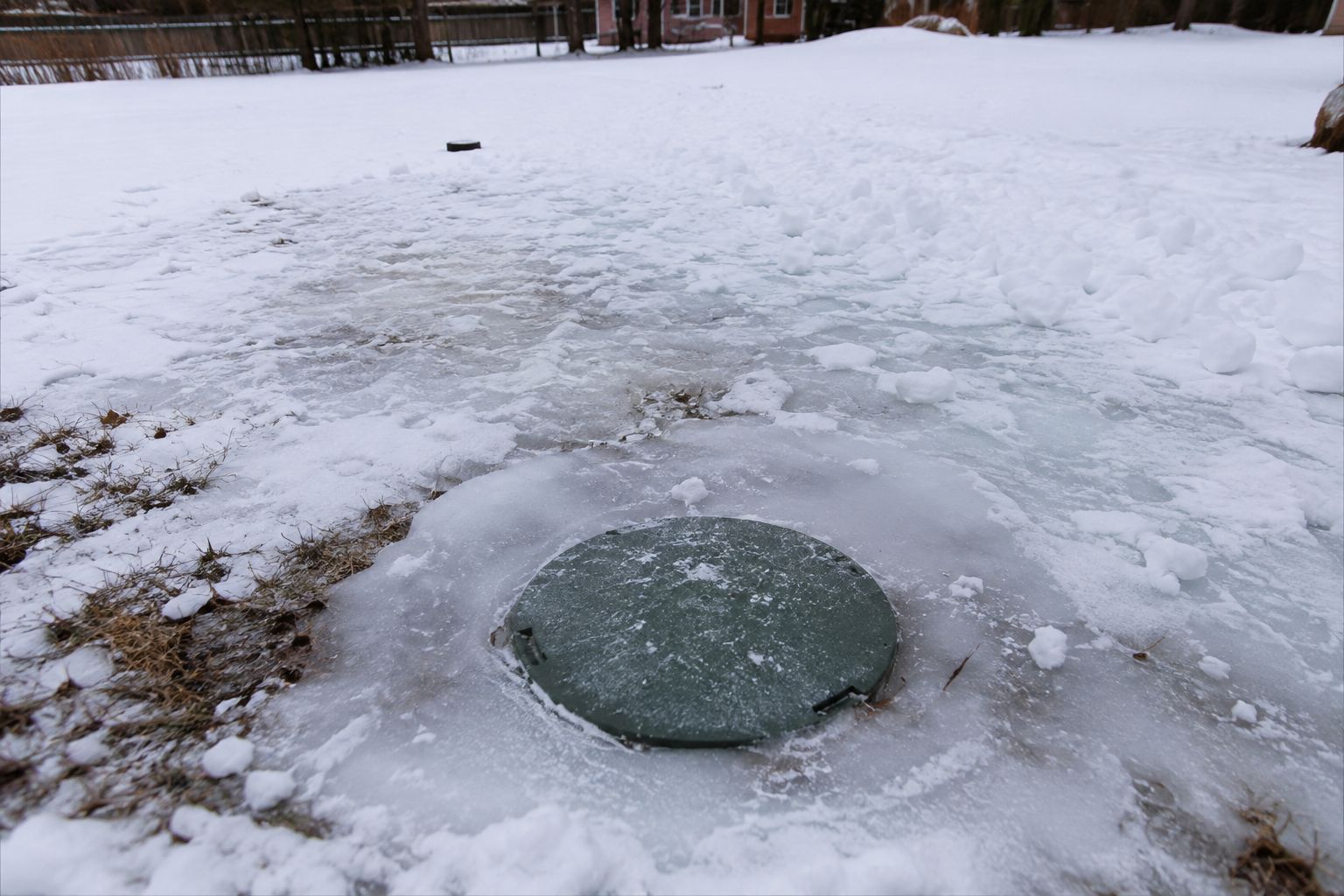
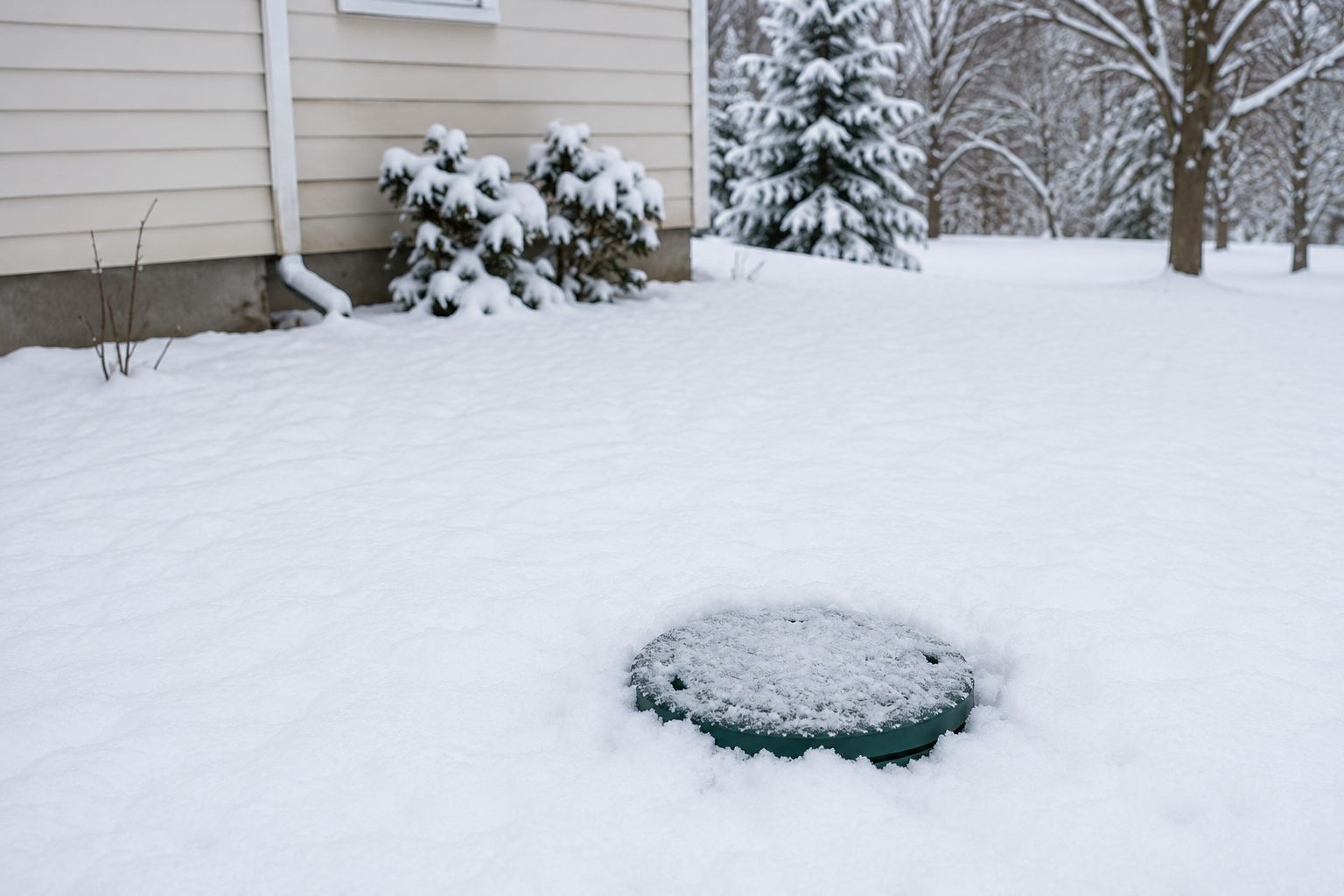
Homeowners can take specific proactive steps to make the process smoother and more efficient. Clear access to the tank and lids, marking the tank location if unknown, and avoiding parking vehicles over the tank area all help. Additionally, reducing water usage before pumping can help prevent system overload, making the removal of solids more efficient and minimizing unnecessary stress on the tank and drain field.
Safety Considerations
Septic systems contain harmful bacteria, toxic gases, and dangerous pathogens. Professionals wear appropriate protective gear and use specialized equipment to prevent exposure. Homeowners should keep children and pets away from the pumping area and carefully follow all technician instructions. Safety extends beyond the job site—improper handling or tampering with the system can result in serious injury, legal fines, or environmental contamination.
The Pumping Process Step by Step
Locating and Accessing the Tank
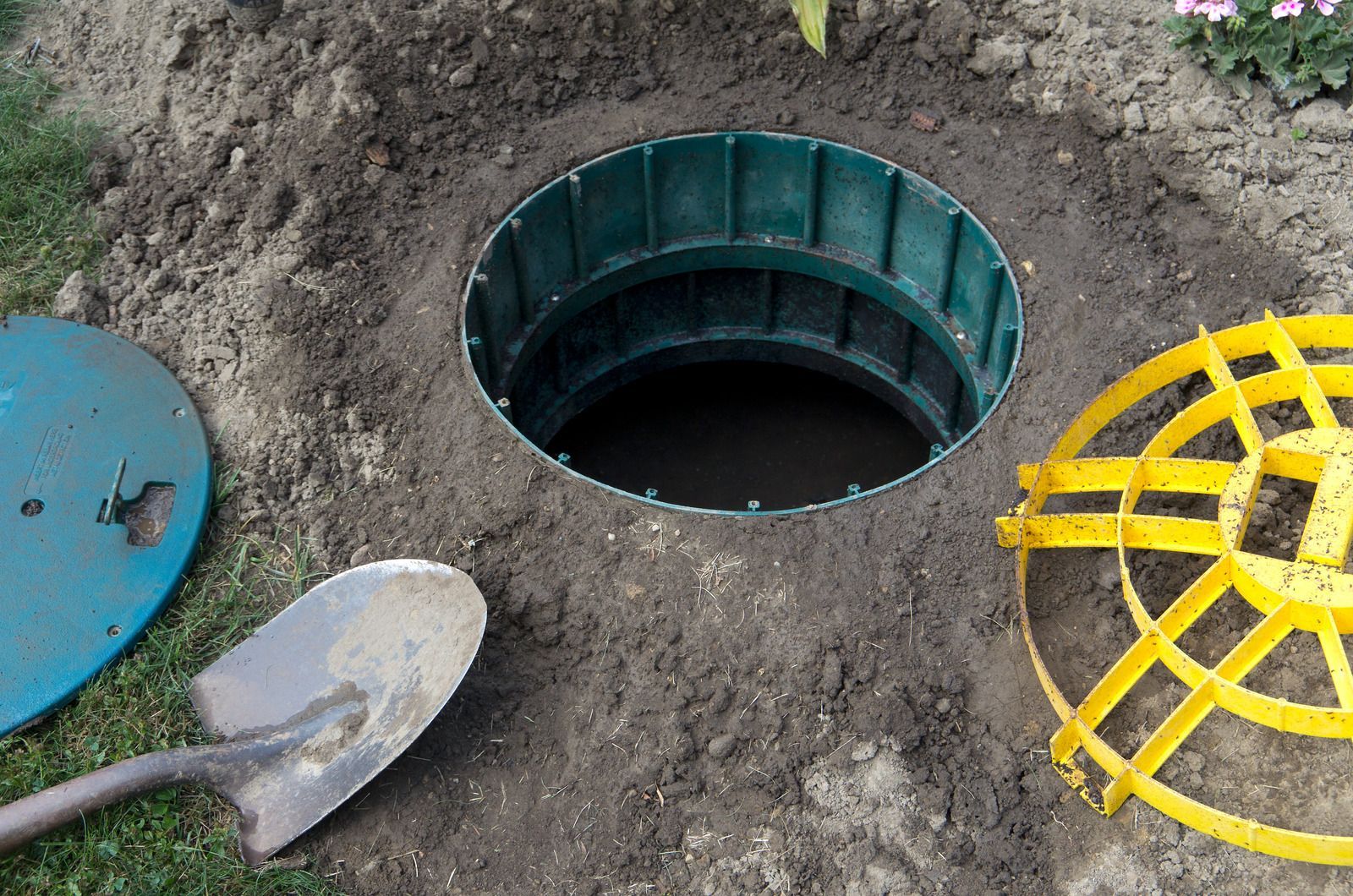
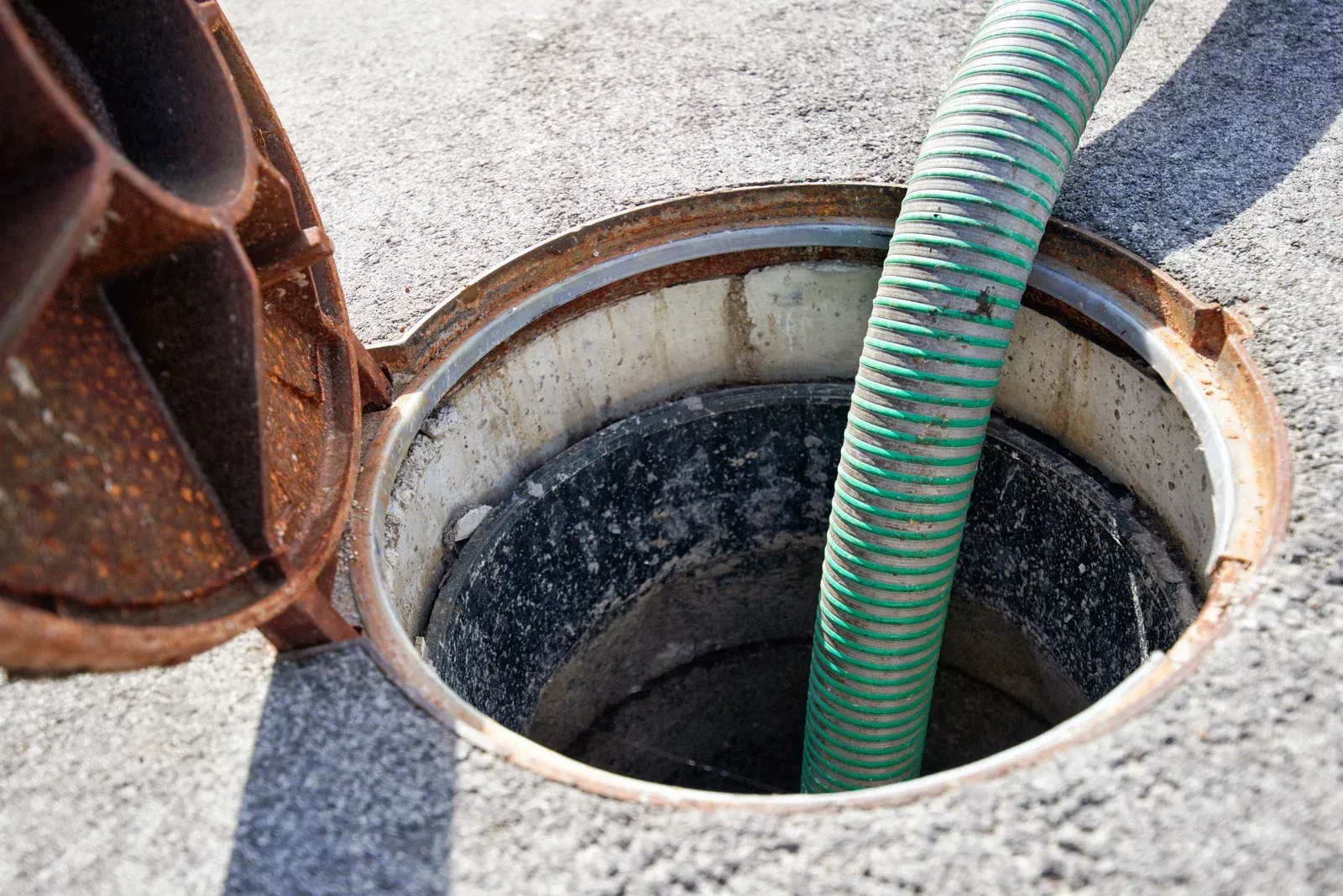
A crucial first step is accurately locating the septic tank, which may involve reviewing property plans, probing the soil, or using specialized detection equipment. Once the tank is found, technicians carefully remove the lids or access points. Properly sealing and opening lids is essential to avoid spillage, maintain safety, and ensure an efficient pumping process overall.
Removing Solids and Waste
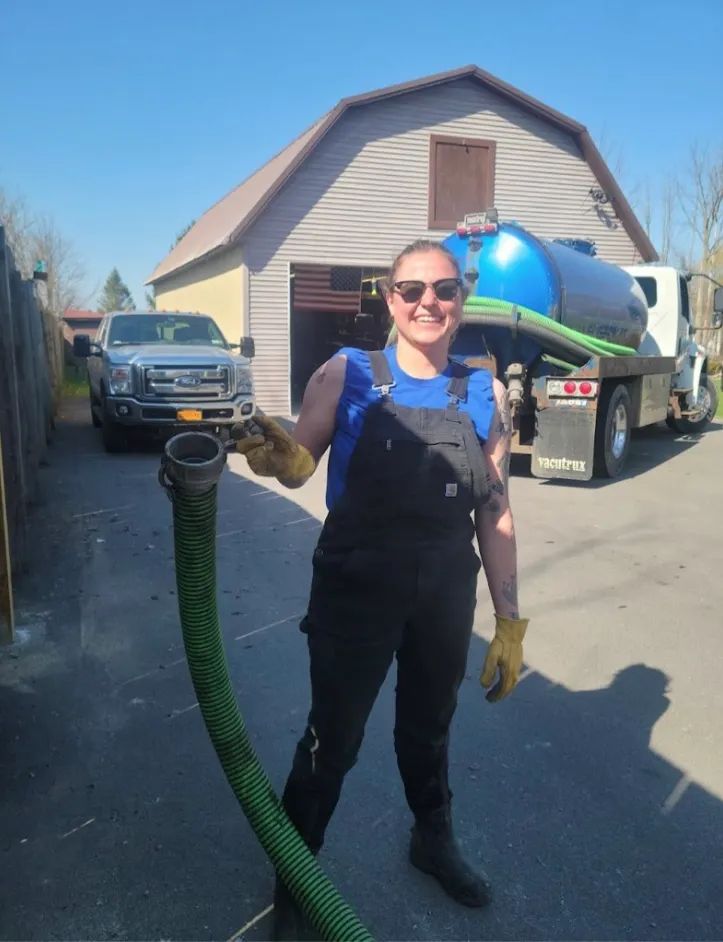
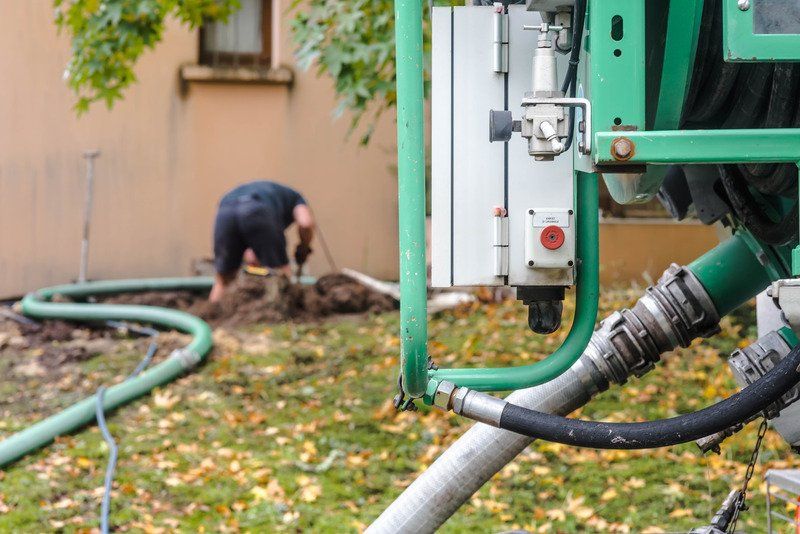
Technicians use a vacuum truck or pumping system to carefully extract sludge, scum, and effluent from the tank. The process requires precision to ensure that no solids remain that could compromise overall system function. The waste is then transported in sealed tanks for safe disposal at authorized treatment facilities, strictly adhering to local environmental regulations and safety protocols.
Cleaning the Tank and Components
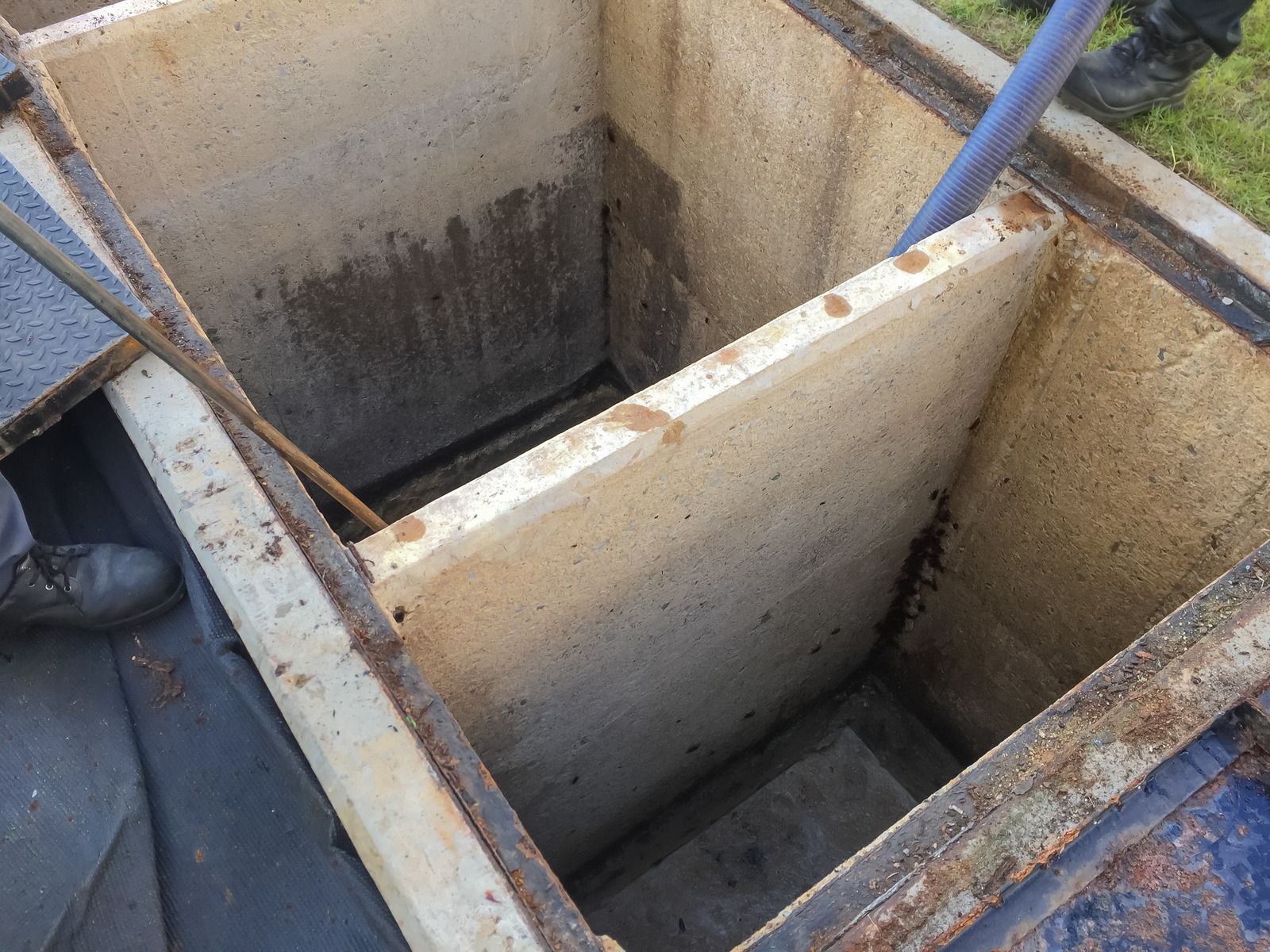
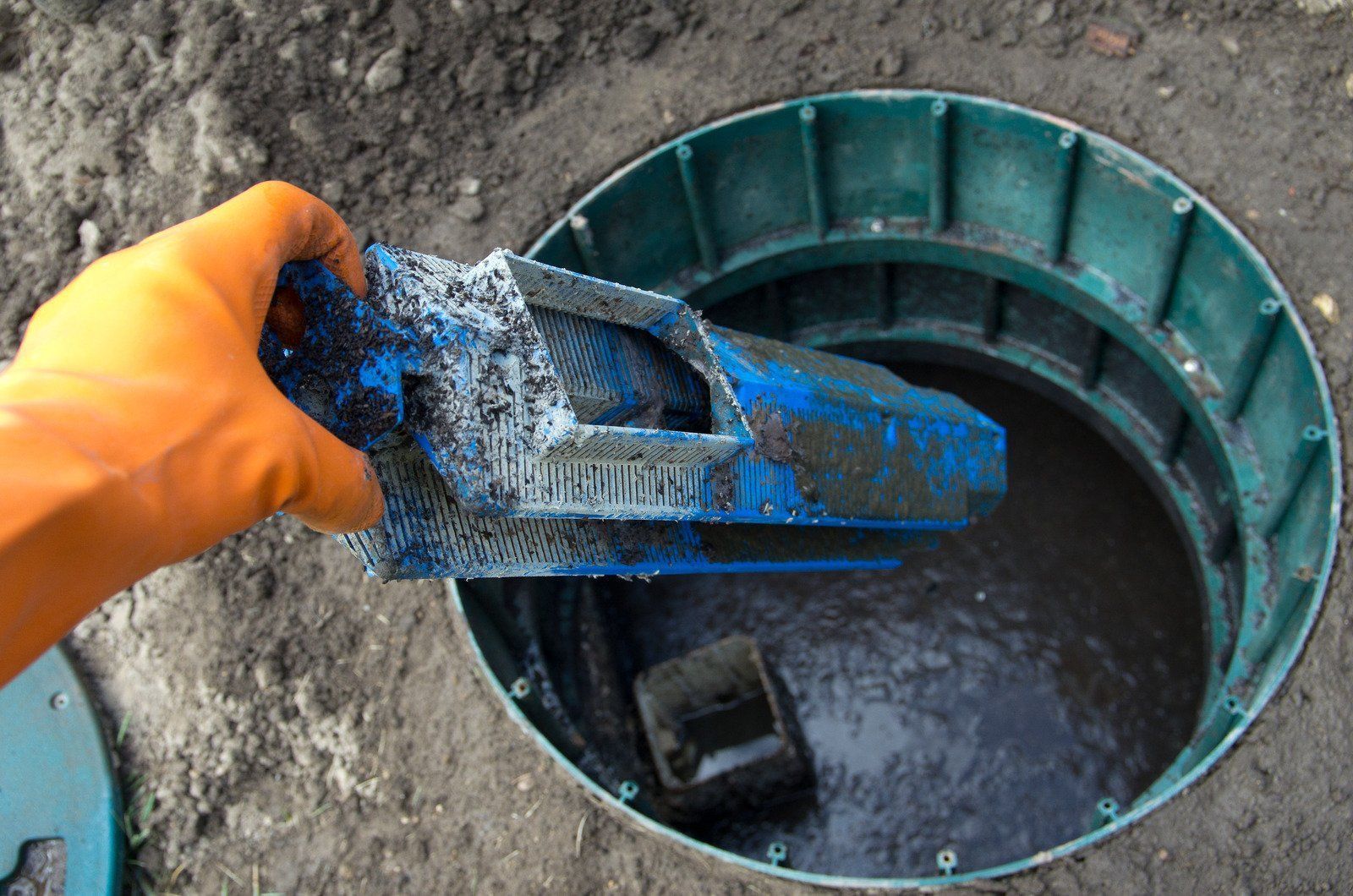
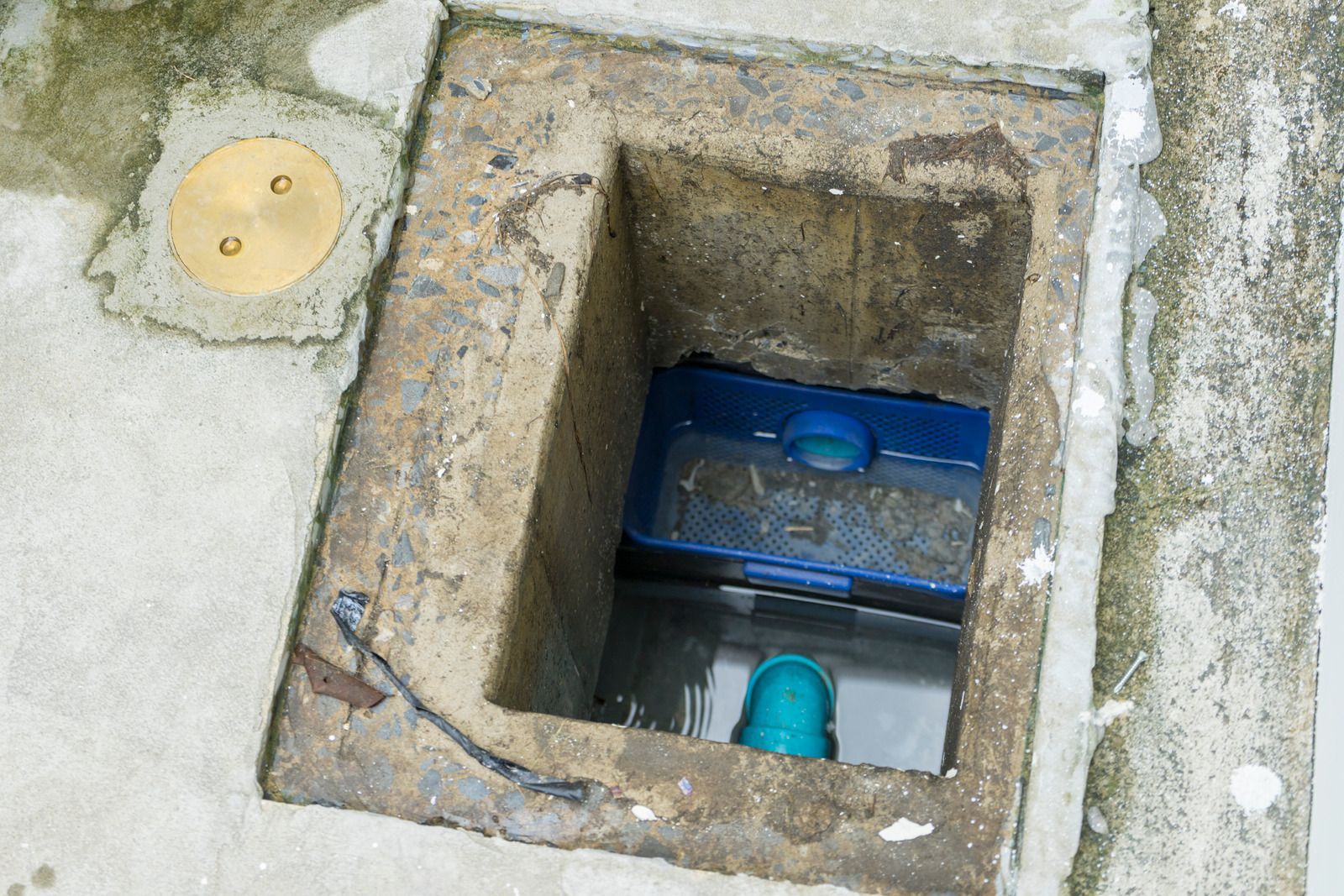
After pumping, the tank’s interior may be thoroughly inspected and cleaned further. Professionals remove accumulated buildup from walls and baffles, ensuring unobstructed flow throughout the system. Cleaning not only improves efficiency but also significantly extends the tank’s overall lifespan. Some technicians may additionally inspect inlet and outlet pipes to confirm proper drainage and functionality.
Handling Common Challenges
Complications can arise during pumping, such as access difficulties, damaged lids, or hardened sludge buildup. Experienced technicians adapt to these challenges using specialized tools, equipment, and methods. Homeowners benefit when these issues are addressed promptly, avoiding costly delays, extensive repairs, or potential long-term damage to the septic system.
Post-Pumping Procedures
Inspection and Maintenance Checks
Following pumping, technicians conduct a final inspection to carefully verify that the tank is fully emptied and functioning properly. They thoroughly check baffles, inlet and outlet pipes, and the overall structural integrity. Any signs of damage or potential failure are carefully documented, allowing homeowners to schedule timely repairs before serious problems can develop.
Proper Waste Disposal
The removed wastewater is transported to certified treatment facilities for safe and environmentally responsible disposal. Environmental regulations dictate strict handling procedures, preventing potential soil or water contamination. Using licensed disposal services ensures full compliance with local laws and actively protects public health.
Recommended Follow-Up Actions
Homeowners should carefully monitor system performance post-pumping for any early warning signs. Avoiding excessive water use, refraining from flushing non-biodegradable items, and scheduling regular inspections all help maintain overall system efficiency. Keeping detailed records of pumping dates and maintenance actions also supports long-term system management and can aid during property sales or inspections.
Best Practices for Septic Tank Care
Reducing System Stress
Homeowners can significantly extend the life of their septic system by adopting practices that minimize unnecessary strain. Avoid pouring grease, chemicals, or non-biodegradable waste down drains. Spread out laundry loads, fix leaks promptly, and conserve water to reduce the burden on both the tank and the drain field over time.
Professional Guidance and Inspections
Engaging certified septic service providers ensures safe, reliable, and thorough maintenance. Professionals offer valuable insight into system health, anticipate potential problems, and provide expert recommendations for long-term care. Regular inspections complement pumping schedules and help detect subtle issues before they escalate into costly repairs.
Environmental Responsibility
Maintaining a septic system protects both property value and the surrounding environment. Proper pumping and disposal prevent contamination of groundwater and local waterways. Homeowners play an active role by following established guidelines, conserving water, and reporting any issues promptly to protect community health.
Regular Pumping Schedule
Consistency is key to avoiding costly septic issues. Household size, water usage, and tank capacity all influence how frequently pumping should occur. Most experts recommend every three to five years, though larger households or tanks with higher water usage may require more frequent service intervals to remain fully functional.
Real-World Scenarios and Case Studies
Scenario 1: Preventing a Backup
A family noticed slow-draining sinks but ignored the early warning signs. After scheduling a timely septic pump, technicians discovered high sludge levels that could have caused a costly backup. Immediate pumping restored full system function and successfully prevented extensive property damage.
Scenario 2: Environmental Protection
In a rural community, untreated septic overflow threatened nearby wetlands and sensitive ecosystems. Regular pumping by a certified service provider prevented contamination, demonstrating the critical role proactive maintenance plays in protecting local ecosystems and overall community health.
Scenario 3: Extending System Lifespan
A property owner who maintained a consistent pumping and inspection schedule experienced decades of reliable system performance without major repairs or interruptions. This clearly illustrates the long-term cost savings and reliability benefits of adhering to septic system best practices.
Trusted Experts Ensuring Your Septic System’s Longevity
Septic tank pumping is an essential aspect of responsible property management, ensuring that wastewater is efficiently treated, systems function properly, and costly issues are avoided. Understanding the process—from preparation and inspection to pumping, cleaning, and post-maintenance care—empowers homeowners to make informed decisions and protect both their property and the surrounding environment. By recognizing signs of system stress, adhering to a regular maintenance schedule, and engaging professional services, homeowners can significantly extend the lifespan of their septic system and prevent emergency repairs.
For residents in Syracuse, NY, C Mattes Inc
offers 15
years of experience in
professional septic services, combining technical expertise with a commitment to customer satisfaction. Our team handles septic tank pumping with precision, safety, and adherence to environmental regulations. From inspection to maintenance, we ensure your septic system operates efficiently, minimizing risks and maximizing longevity. Trust C Mattes Inc
to provide reliable, thorough, and professional septic solutions that protect your property and give you peace of mind.