Septic Pumped Recently but Still Slow? What Pumping Doesn't Fix
Quick Answer: Pumping empties the tank, and that is all it does. If your drains are still slow a few days or weeks after a pump out, the restriction is almost always somewhere pumping never touched: a clogged effluent filter, a damaged or blocked outlet baffle, a grease or root clog in the pipe leading to or from the tank, a blocked plumbing vent, or a drainfield that has stopped accepting water. A freshly pumped tank also sits empty, so a slow drain right after service is a strong clue that the problem is on either side of the tank rather than inside it. Where the slowness shows up, how many fixtures are affected, and whether it changes after rain or snowmelt will point a technician to the real cause quickly.
You paid for the pump out. The truck came, the hose went down the lid, and the crew told you the tank was in decent shape. A week later the shower is draining like it did before, the washing machine makes the floor drain gurgle, and one toilet takes two flushes to clear. It feels like the service didn't work, and you are wondering whether the tank was actually emptied or whether something else is going on.
Most of the time the pumping did exactly what it was supposed to do. The tank was emptied of sludge and scum, and the crew got what was in there. The trouble is that a septic tank is only one piece of a system that runs from the plumbing inside your house to the soil in your yard, and slow drains can start at any point along that path. Pumping is the right fix for a full tank. It does nothing for a pipe that is half closed with grease, a filter packed with lint, or soil that is saturated and can't take more water. Here is how to sort out what is happening, what each cause looks like, and what a technician checks to find it.
Why a Freshly Pumped Tank Can Still Have Slow Drains
When a tank is full of sludge, the symptoms are slow drains, gurgling, and eventually backups, because solids and scum rise toward the outlet and the tank has no room left to hold incoming water. Pumping removes those solids and gives the system room again. If your symptoms were caused by a full tank, you should see relief within a day.
If you don't, think of the system as a line of connected parts. Wastewater leaves the house through the building drain, travels to the tank, moves through the tank, exits through an outlet baffle or filter, flows through a pipe to a distribution box, and spreads out through the drainfield trenches. A restriction anywhere along that line slows everything behind it. The tank being empty doesn't change a partial blockage in the pipe before it or the soil after it.
This is why the pattern of the symptoms matters more than the fact that the tank was recently serviced. Slowness that began before the pump out and never improved suggests the cause was never the tank. Slowness that appeared a few weeks after pumping suggests something changed, such as a filter that began clogging, a baffle that shifted, or a wet spell that saturated the drainfield.
The Effluent Filter Nobody Mentioned
Many tanks have an effluent filter sitting in the outlet, usually inside a tee or a small housing near the exit of the tank. Its job is to catch the fine solids that would otherwise leave the tank and travel into the drainfield. It does that job well, which is also why it clogs.
What It Catches
Lint from washing machines, food scraps, hair, and fibers from wipes or paper products collect on filter screens. Heavy laundry use accelerates buildup.
Why Pumping Doesn't Fix It
Pumping empties the tank but leaves a clogged filter untouched unless technicians remove and rinse it. Restricted flow can cause household drains to back up.
What It Looks Like
Slow drains throughout the house, a full tank, and a dry drainfield may indicate filter blockage. A technician can confirm it by inspecting the outlet filter.
A Blocked or Broken Outlet Baffle
Tanks have baffles or tees at the inlet and outlet. The outlet baffle holds back floating scum and keeps it from leaving the tank. When it breaks, falls off, or gets blocked, two different problems can appear.
A missing or broken outlet baffle lets scum and solids flow out toward the drainfield, where they begin clogging the pipe and soil. That tends to show up months after pumping rather than right away, as the tank keeps working but the downstream parts quietly fill with material that was never meant to leave.
A blocked outlet, on the other hand, behaves more like a clogged filter. Water has trouble leaving the tank, so the level rises and drains slow down. Old concrete tanks are known for deteriorated baffles, since the concrete or the plastic that holds them can break down over the years of exposure to tank gases.
You can't see a baffle problem from the surface. The crew has to open the lids and look, and a quick check during a pump out is the best time to catch it, since the tank is empty and everything inside is visible.
Tip: When the tank is open and empty, ask the technician to look at both baffles and the outlet before the lids go back on. An empty tank is the easiest moment to spot a cracked tee, a loose baffle, or a missing filter, and it saves a second visit.
Clogs in the Pipes Before or After the Tank
A tank can be perfectly healthy while the pipe on either side is partly closed. Pumping can't reach these.
Grease And Soap Scum In The House Line
Cooking fats cool and harden inside the pipe long before they reach the tank. Over years a kitchen line can narrow to a fraction of its original opening. If the slowness is worst at the kitchen sink and the dishwasher and improves slightly after you run very hot water for a few minutes, a grease coated line is a likely suspect.
Tree Roots
Roots look for moisture and find it at pipe joints. A root intrusion in the line between the house and the tank, or in the line from the tank to the distribution box, narrows the pipe and catches paper. Slowness that keeps returning to the same drains after cleaning points that direction.
A Belly Or A Crushed Section
Heavy equipment, frost heave, and settling soil can create a low spot in a pipe where water and solids collect, or crush a section outright. In Central New York, where frost works deep into the ground each winter and then lets go in spring, pipes shift more than most people realize. A belly holds standing water and slows everything behind it.
A camera inspection and a hydro jet pass can find and clear these. Jetting is a different service from pumping, and it addresses what pumping leaves behind in the pipes.
A Blocked Vent Can Mimic a Slow Drain
Your plumbing vents let air in as water goes out, the way a second hole in a can lets liquid pour smoothly. When a vent stack is blocked, drains slow down and make gulping or gurgling sounds because the water can't pull air behind it.
In snow country this happens more than you would think. A vent pipe that exits the roof can frost over inside during a long cold snap, narrowing to a pinhole, and birds' nests, leaves, and debris can close one off in any season. A vent problem often looks like a septic problem because the symptoms overlap, which is one reason a pumped tank can still seem like it is not working.
If the gurgling is mild, the drains eventually empty, and the sounds happen mostly when several fixtures run at once, a vent is worth checking before anything underground. A technician can run a line or a camera through the vent from the roof to confirm.
When the Drainfield Is the Bottleneck
The drainfield is where treated water from the tank soaks into the soil. Over time, a slimy layer called a biomat forms along the trench surfaces as bacteria feed on the water passing through. A thin biomat is normal and helpful. A thick one restricts how fast the soil can accept water, and once the drainfield can't absorb what the house sends it, the water has nowhere to go but back toward the tank and into your pipes.
This is one of the most common reasons a freshly pumped tank doesn't fix slow drains. You can empty the tank a hundred times, but if the soil can't take the flow, the tank refills and the symptoms return, often faster each time.
Signs The Drainfield Is Involved
Slowness that returns within days or weeks of pumping. Soggy ground, bright green grass, or a faint odor over the drainfield area. A tank that fills right back up after service. Drains that are worse after laundry day or after a houseful of guests.
Why Wet Weather Matters
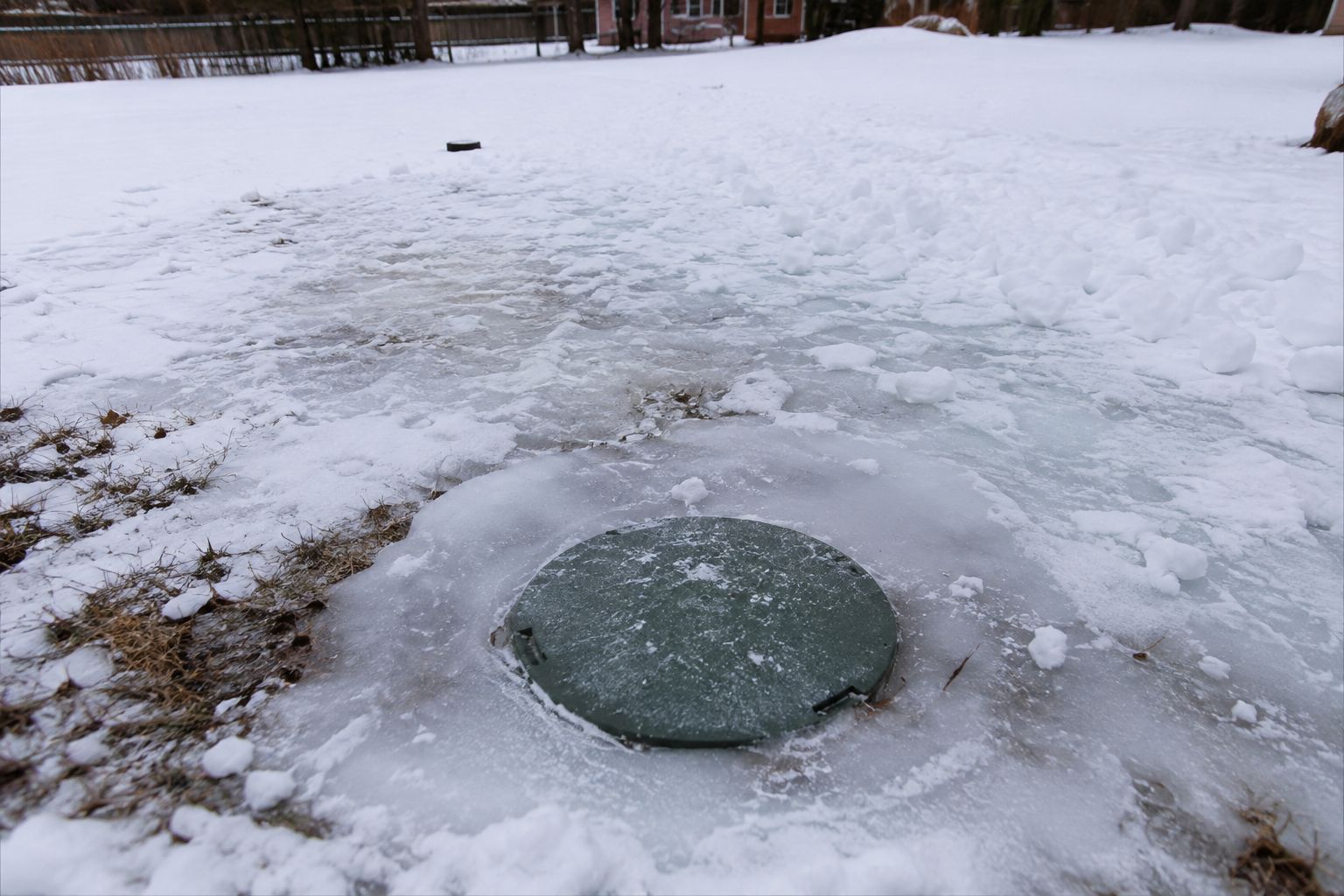
Saturated soil takes water slowly. After a heavy rain or during snowmelt, the ground around the trenches can already be full, so the field has no room for what the tank sends. If your slowness shows up mainly in the spring thaw or after a long rainy stretch, groundwater is probably part of the picture. As the fall turns toward winter in Central New York, soil that stays soaked going into a freeze can also leave the drainfield less able to work during the coldest months.
What Can Help
A drainfield that is overloaded with water can sometimes recover when water use drops for a period and the soil gets a chance to dry out. Fixing a leaking toilet, spreading laundry across the week, and avoiding long back to back loads all reduce the daily flow. Where the cause is physical, such as a tilted distribution box or a crushed trench line, the repair is a hands on job that a technician can scope after an inspection.
Warning: Don't keep pumping the tank every few weeks hoping to stay ahead of the symptoms. If the tank refills quickly, the drainfield or a downstream pipe is the problem, and extra pumping only treats the part that was never failing. Have the full system checked instead.
How to Narrow It Down Before the Technician Arrives
You don't have to diagnose the whole system yourself, but a few observations make the visit faster and more accurate.
Note Which Fixtures Are Slow
If only one sink or tub drains slowly, its branch line is likely responsible. If every drain is slow, investigate the main line, tank, or drainfield.
Note When It Started
Slowness beginning before pumping suggests another cause. Problems starting weeks afterward may indicate a changed filter, baffle, or soil condition.
Look At The Yard
Wet spots, lush grass, or soft ground above trenches suggest drainfield problems. Dry, firm ground with a full tank may indicate filter blockage.
Track The Weather
Record whether slow drainage follows rain, snowmelt, or heavy water use. These patterns help distinguish groundwater and drainfield problems from filter or pipe issues.
Check Your Water Use
Running toilets and dripping faucets can add hundreds of gallons daily. Inspect toilets and faucets to identify excess water entering the septic system.
What a Technician Checks, and in What Order
A good inspection after a pump out follows the water. The crew starts at the house cleanout and the lines leading to the tank, then opens the inlet side of the tank and watches how water enters. Next comes the inside of the tank: the baffles, the condition of the walls, and the outlet. If there is an effluent filter, it comes out and gets inspected. From there the check moves to the pipe leaving the tank, the distribution box, and the drainfield, looking for standing water, a tilted box, or lines that don't flow.
Because the tank is freshly emptied, this is also the cleanest time to see what is happening inside it. If the tank stays empty during the inspection and water flows freely out of the house, the restriction is beyond the tank. If water backs up into the tank quickly and doesn't leave, the restriction is in the outlet, the pipe, or the field.
Depending on what is found, the fix may be as small as cleaning a filter or as involved as replacing a baffle, jetting a line, or repairing a section of the drainfield. Knowing which one it is before any work begins saves you from paying for the wrong service twice.
Frequently Asked Questions
Why are my drains still slow right after my septic tank was pumped?
Pumping only empties the tank. Continued slowness usually means a part pumping never touches, such as the effluent filter, outlet baffle, a clogged pipe, a blocked vent, or a saturated drainfield.
Could the tank not have been pumped completely?
It happens, though rarely. Two compartment tanks need both sides opened, and a partial empty returns symptoms fast. Ask what the crew found. A quick refill points to the drainfield or outlet.
How long should I wait to see if drains improve after pumping?
If a full tank caused it, you should notice improvement within a day. When drains stay slow after a day or two, waiting rarely helps and the problem lies elsewhere.
Can a clogged effluent filter cause slow drains in the whole house?
Yes. A filter packed with lint and debris lets water leave the tank slowly, so the level rises and every fixture slows. Cleaning the filter often restores normal drainage immediately.
Does heavy rain or snowmelt really affect how my septic drains?
It can. Saturated soil around the drainfield absorbs water slowly, so a system that works fine when dry can slow during a wet spring. Weather driven symptoms usually mean groundwater is involved.
Is jetting the same thing as pumping?
No. Pumping removes the tank contents. Jetting uses high pressure water to clear grease, roots, and buildup from pipes. A full tank needs pumping, a partly closed pipe may need jetting.
Finding the Real Cause Beyond the Tank
When a pump out does not solve slow drains, it is easy to assume the work was done wrong or the system is beyond saving. Usually neither is true. The tank was emptied, and something else is quietly holding back the flow. The filter, the baffles, the pipes, the vent, and the drainfield each leave their own clues, so the fastest way forward is to follow the water from the house to the field until the slow point shows itself.
Start with what you can see: which drains are slow, when it started, how the yard looks, and whether the weather plays a part. Those notes turn guesswork into a diagnosis once the tank is opened and inspected. With 15
years of hands on work across Syracuse, NY, C Mattes Inc
has learned to read those clues and trace the flow from the house to the drainfield, so the right part gets attention instead of another pump.