Snow Covering the Septic Lid in Winter? Why Locating It Early Matters
Quick Answer: If snow is covering your septic lid, the smartest move is to locate and mark the tank before the ground freezes hard and the drifts pile up. A buried lid under a foot of snow and frozen soil turns a routine pumping into a dig, and in a Central New York winter that dig only gets worse as the season goes on. Look for the spot where snow melts faster or the ground stays warmer, follow the sewer pipe out from the house, and drive a marker stake so the crew can find the lid fast when you need service.
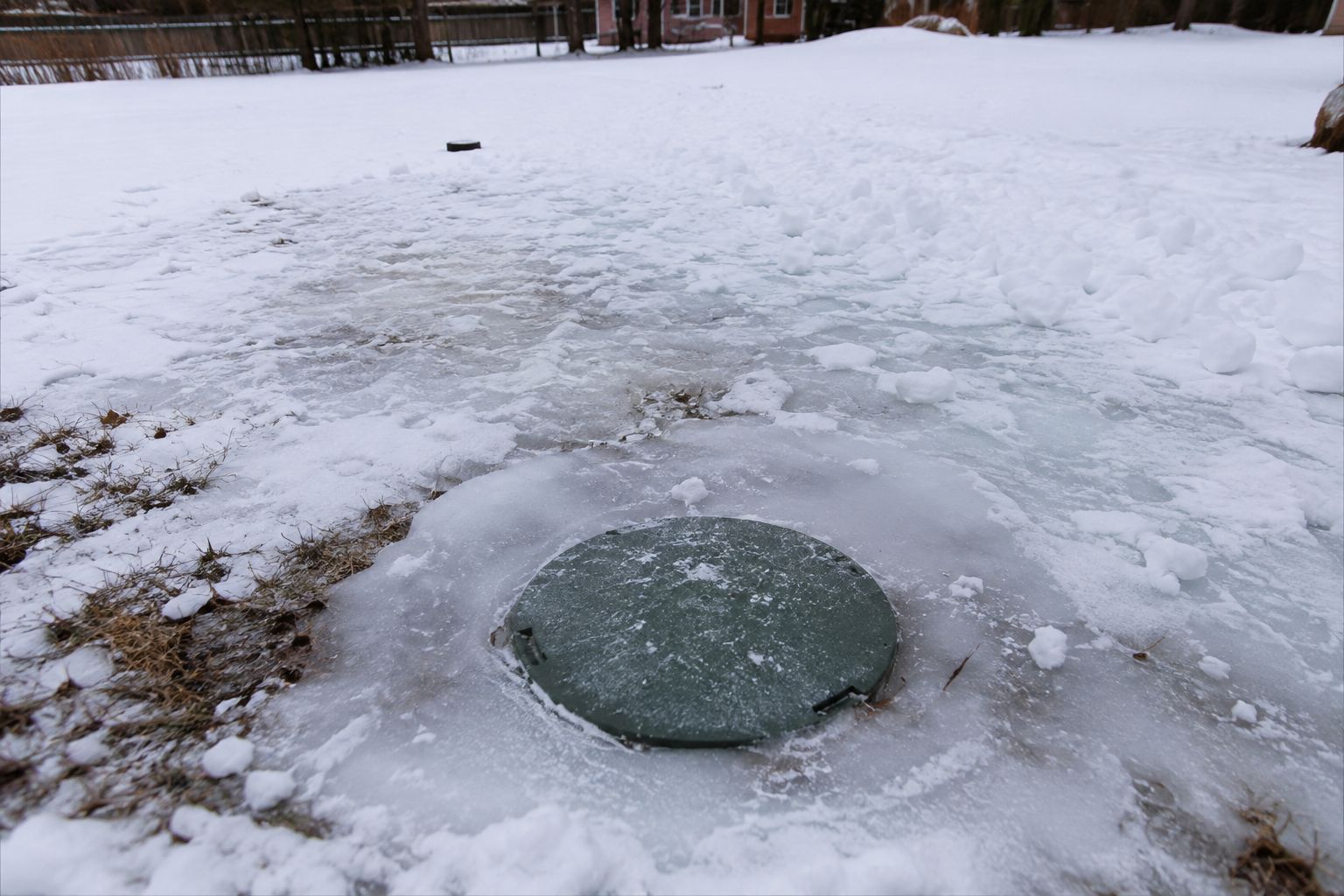
You go to schedule a septic pumping in January, and the technician asks the one question you cannot answer: where is the lid? You walk out back, and the yard is a smooth white sheet of snow with no clue underneath it. Somewhere below that drift and the frozen ground beneath it sits a tank lid you have not looked at since fall, and now finding it means guesswork, a shovel, and a lot of cold digging.
This is one of the most common winter headaches for anyone on a septic system in the snow belt, and it is completely avoidable. The lid does not move. What changes is your ability to reach it once snow covers the yard and frost drives down into the soil. Locating and marking the tank early, before the worst of the season sets in, is the difference between a quick service call and a frustrating excavation in the cold. Here is how to find it, how to mark it so you never lose it again, and why timing matters so much in Central New York.
What "Locating It Early" Actually Means
Early does not mean the day you need service. It means before the snow flies and the ground locks up, ideally in the fall while the yard is still bare and the soil is soft.
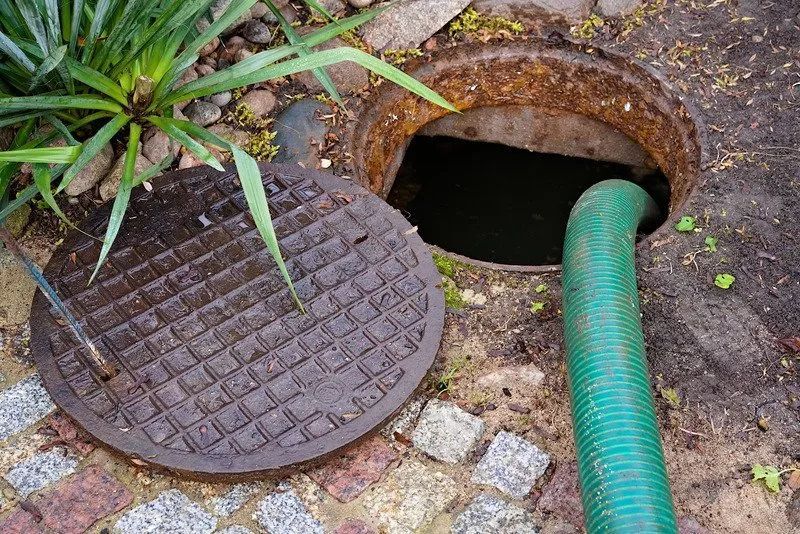
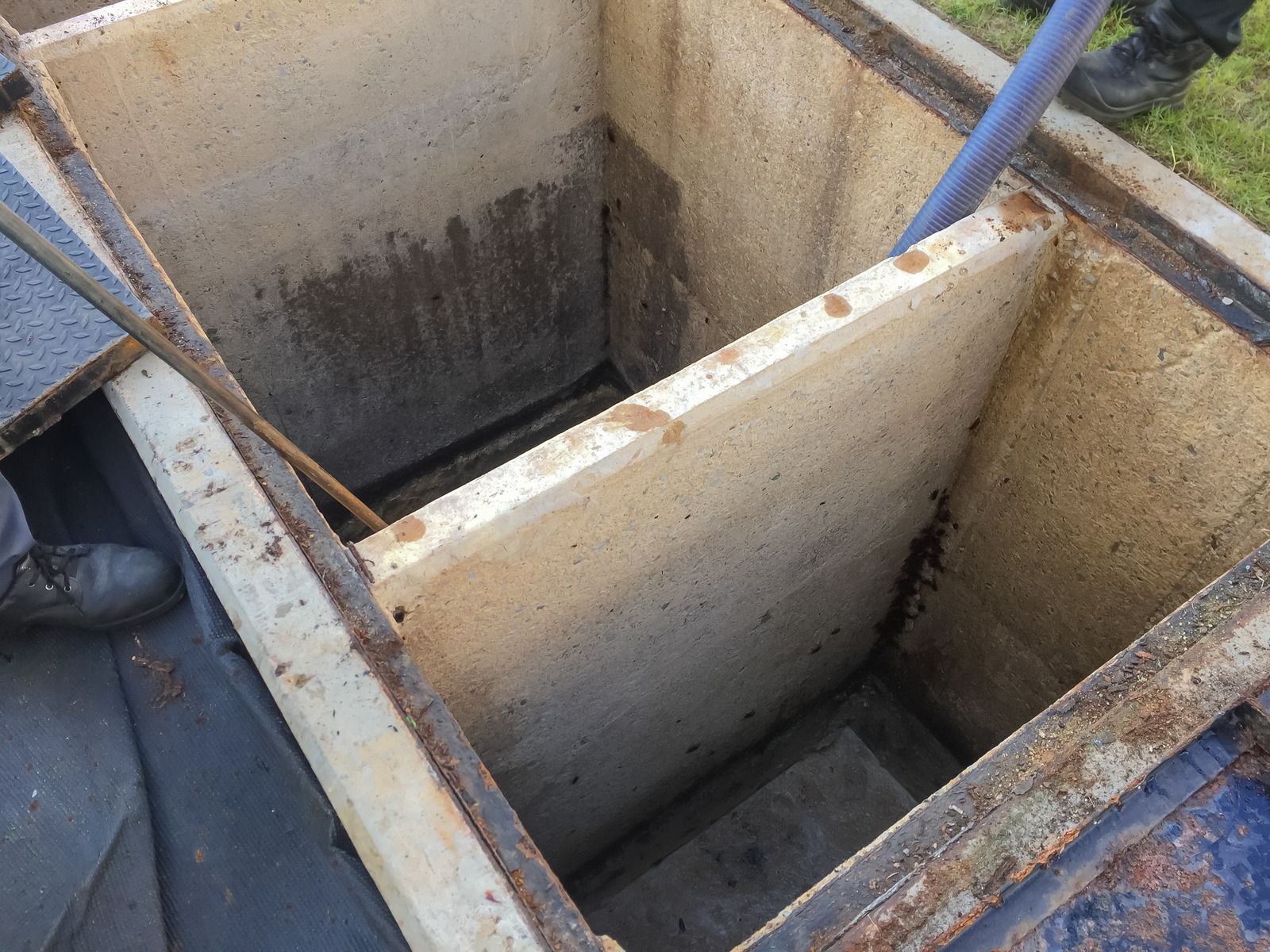
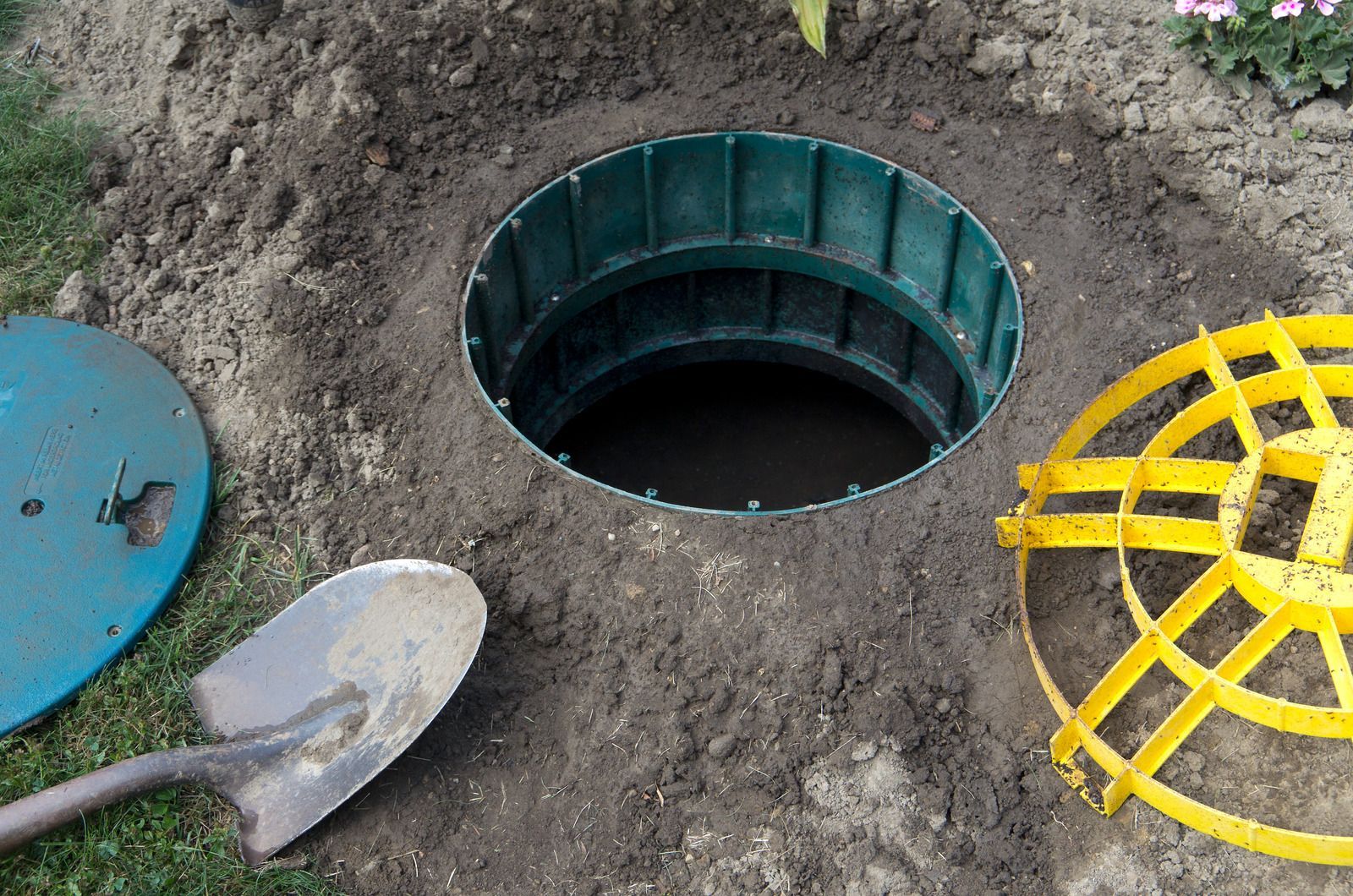
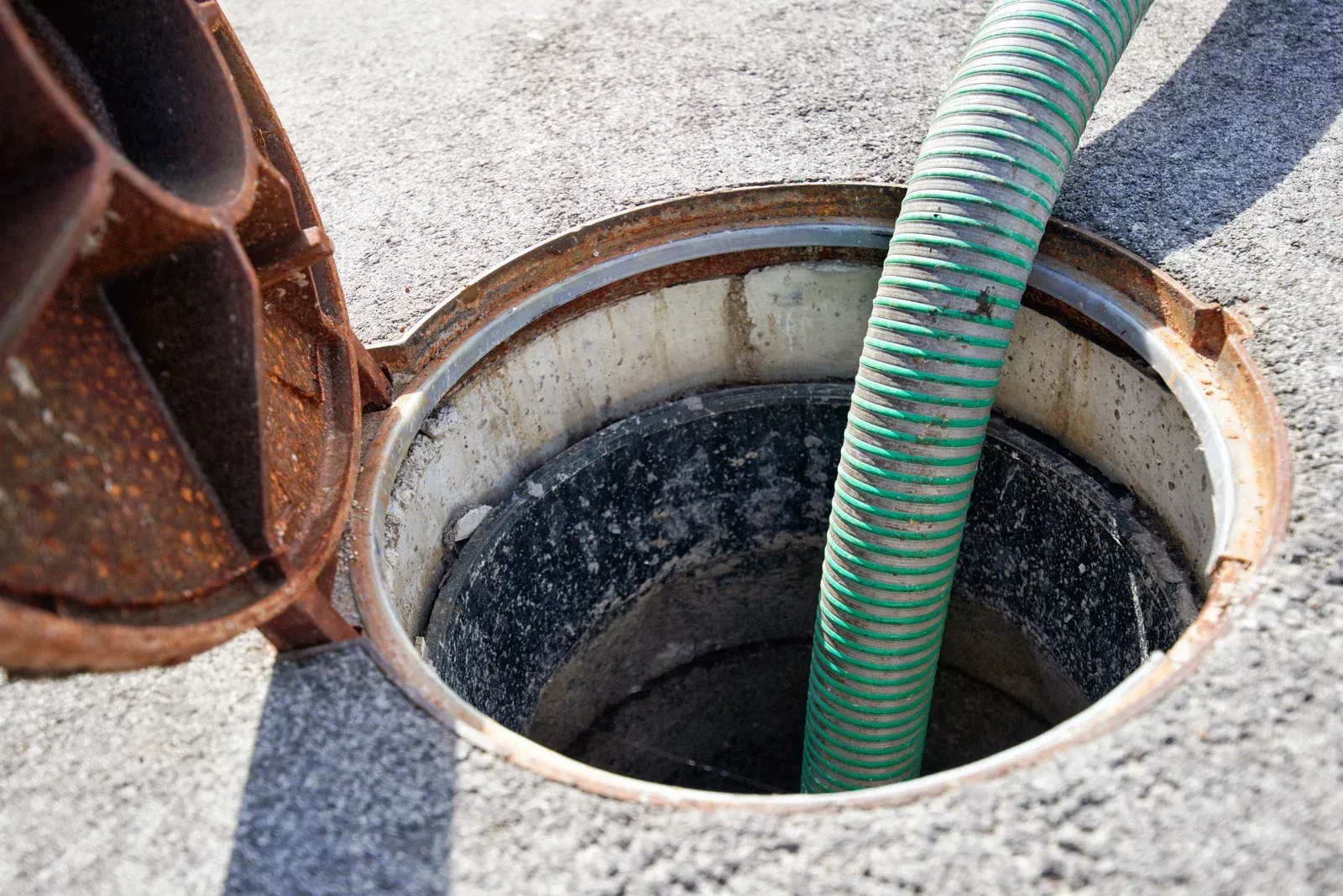
Your septic tank sits underground, and the lid or access riser is buried anywhere from a few inches to a couple of feet below grade depending on how the system was installed. As long as the ground is open, uncovering that lid is a simple job. Once a hard freeze sets in and snow stacks up on top, two barriers appear at once: you cannot see where the lid is, and the frozen soil above it fights every shovel stroke. Locating early is about beating both of those barriers while conditions still cooperate.
If you have owned the home for years and never pinpointed the tank, this is the season to do it. If you just bought the place, finding the tank is one of the first things worth handling before winter takes the option away.
How Snow and Frost Turn a Simple Lid Into a Problem
The snow itself is not the real obstacle. It is what snow and cold do together that makes a buried lid so hard to reach in deep winter.
The frozen soil is the true barrier
Snow is easy to shovel off. The problem is the frost line underneath it. Once frost gets into the soil, digging down to the lid becomes slow, heavy work, and the deeper the lid is buried, the worse it gets. A lid that takes ten minutes to expose in October can take far longer once the ground has set up like concrete in January.
Snow hides every visual clue
In bare-ground months you can often spot the tank by a slight mound, a settled patch, or the cleanout pipe poking up. A blanket of snow erases all of it. Without a marker, you are left estimating from the house and hoping.
Compacted snow makes it worse
Snow that gets driven over or packed down loses much of its insulating value and actually pushes frost deeper into the ground. If your tank happens to sit where you walk, plow, or drive, the soil above it can freeze harder and deeper than the rest of the yard, adding to the effort of reaching the lid.
Reading Your Yard to Find the Tank Before the Snow Piles Up
If you do not already know where the lid is, you can usually narrow it down with a few reliable clues while the yard is still readable.
Follow the pipe out from the house
The main sewer line leaves the house and runs to the tank, and the tank usually sits roughly ten feet out from where that pipe exits the foundation. If you have an unfinished basement, find where the plumbing passes through the wall and picture a straight line outward from that point. That line points you toward the tank.
Look for the cleanout or vent pipe
A short pipe sticking up out of the ground, often white PVC around four inches across, is a strong signal you are close. That pipe is typically set a foot or so ahead of the tank, so it works as a landmark even though it is not the access point itself.
Watch the snow and the grass
The bacteria breaking down waste inside the tank give off a small amount of heat, and that warmth rises through the soil. On a cold day, the ground directly over the tank can stay a touch warmer, so snow there sometimes melts faster or the frost looks thinner than the surrounding yard. In the growing season the same warmth and nutrients often leave the grass over the tank greener or taller. Neither sign is exact, but both help point you to the right patch.
Check for old records
A previous owner may have left a sketch tucked in the garage or with the house paperwork, and the system layout is sometimes on file with local records if you know when it was installed. Any of that shortens the search considerably.
Why Winter Access Matters More in the Snow Belt
Central New York piles up serious snow, and the cold stretches for months, which raises the stakes on knowing where your lid is well before you need it.
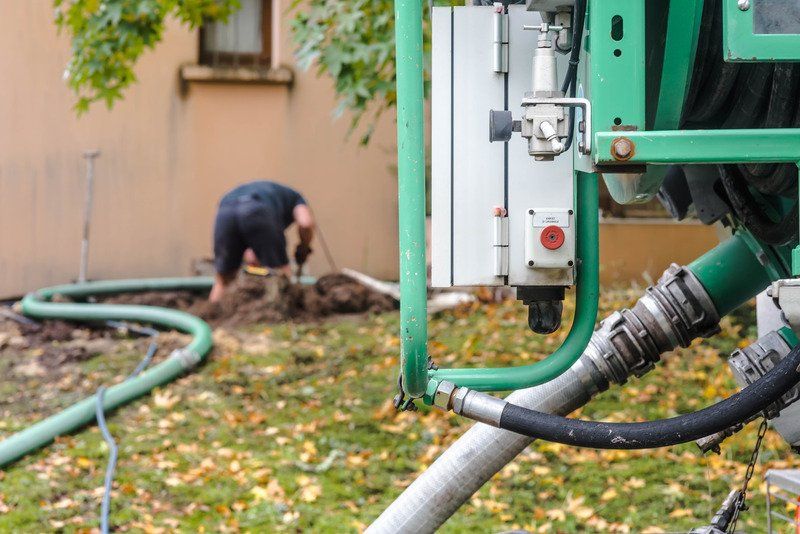
The real reason to locate early is that septic problems do not wait for good weather. If a tank needs pumping because it is close to full, or a backup starts inside the house, or the system shows signs of trouble during a hard freeze, you want the crew reaching the lid in minutes, not spending the visit hunting and digging through frozen ground. A marked, known location keeps an urgent situation from turning into a drawn-out cold-weather ordeal.
There is also the matter of frost protection. Snow actually works in your favor as an insulating blanket over the tank and drainfield, holding in the heat of the wastewater and the warmth from deep soil. That is one reason you do not want to shovel the yard bare over the system or pack that snow down by driving on it. Knowing exactly where the tank and drainfield sit lets you protect that insulating cover instead of accidentally working against it.
Tip: Stop mowing the grass over your tank and drainfield a couple of weeks before you quit cutting the rest of the lawn in the fall. The extra length helps catch and hold snow, and that snow cover insulates the system against the deepest freezes.
Grade-Level Access and Risers: The Long-Term Fix
The permanent answer to the buried-lid problem is to bring the access up to where you can reach it without excavating at all.
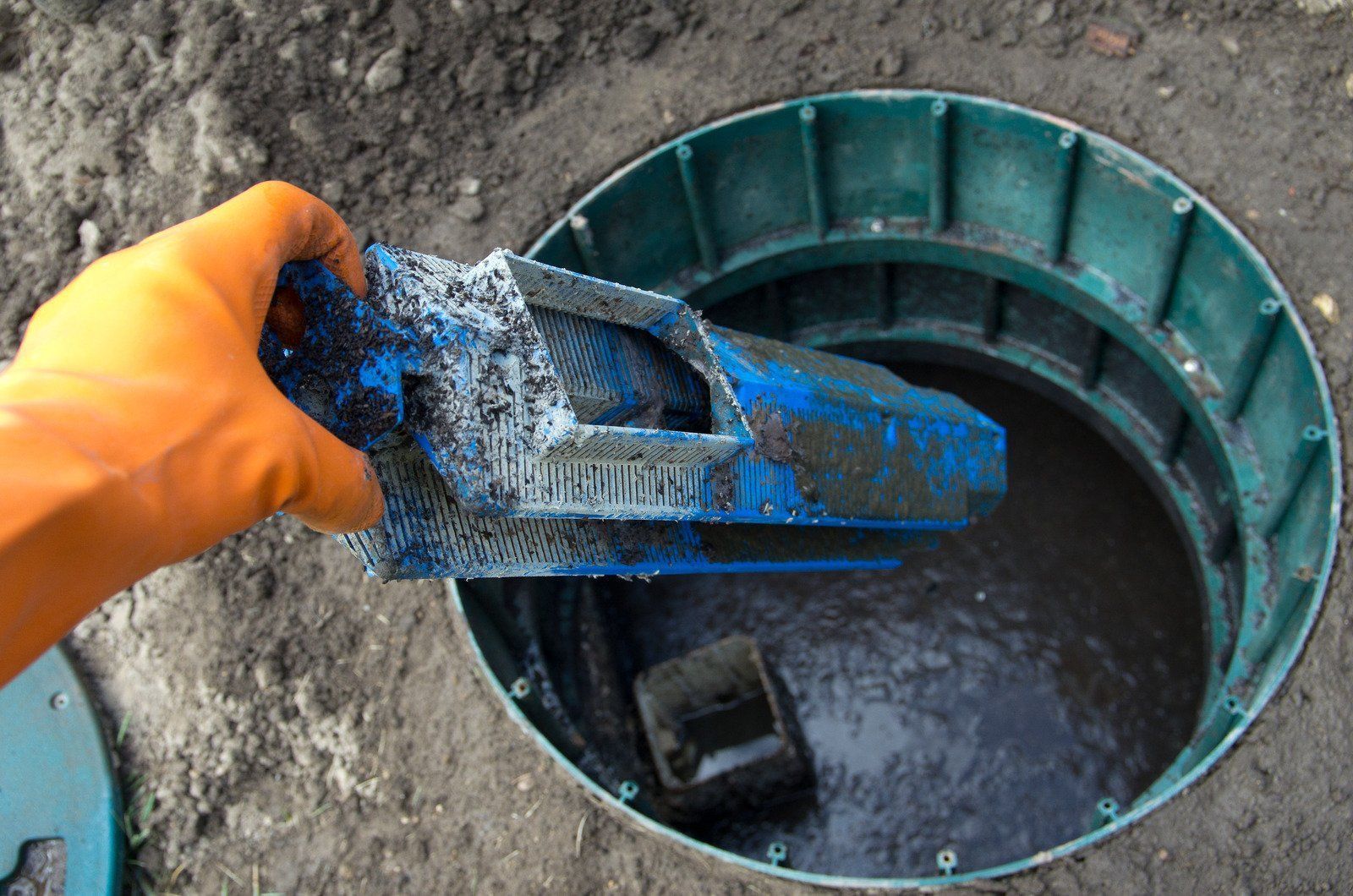
A riser is a vertical extension that connects the tank lid to a cover sitting right at ground level. With one in place, servicing the tank means lifting a cap instead of digging down through soil and frost. For anyone on septic in a heavy-snow region, that convenience shows up every single winter. Many newer tanks come with maintenance access already brought to grade, and older tanks can have risers added so the lid is never buried again.
Even with a riser, the surface cover still needs to be findable under snow, so marking the spot stays worthwhile. And the cover has to seal well, because an open, cracked, or uncapped riser lets cold air pour straight down into the tank, which works against the system in a freeze.
Warning: Never leave a septic riser or inspection pipe open, broken, or uncapped through the winter. Cold air flowing down into the tank can drive freezing inside the system, and an uncovered opening at grade is a serious fall-in hazard for kids, pets, and anyone crossing the yard.
Frequently Asked Questions
When is the best time to locate my septic lid?
Fall is the best time because the ground is soft and free of snow. Locating and marking your septic tank before winter makes future pumping easier and prevents digging through frozen soil during emergency service.
How can I find my septic tank under the snow right now?
Follow the sewer line leaving your home, check for cleanouts or vent pipes, and watch for areas where snow melts faster. These clues often reveal the tank's location when it is buried beneath winter snow.
Why does snow melt faster over the septic tank?
Heat generated by natural bacteria inside the septic tank warms the soil above it. That slight warmth can cause snow to melt sooner or create thinner frost directly over the buried tank during winter.
Should I shovel the snow off my septic tank in winter?
No. Snow provides valuable insulation that helps protect your septic tank and drainfield from freezing. Removing or compacting it allows frost to penetrate deeper into the ground and increases the risk of winter problems.
Is it a problem if my lid is buried deep and I cannot reach it?
Yes. A deeply buried septic lid requires extra digging through frozen ground before pumping or repairs can begin. Installing a riser brings the access to grade, making future maintenance much quicker and easier.
Can the septic tank be pumped in the middle of winter?
Yes, but winter pumping is usually reserved for emergencies because frozen ground slows access. Locating and marking your septic tank before snowfall makes emergency service much faster and avoids unnecessary digging in harsh conditions.
Getting Ahead of the Snow Before It Buries the Problem
A septic lid hidden under snow is not a crisis on its own, but it turns an ordinary service call into a cold, slow dig at the worst time of year. The lid never moves. What changes is your ability to reach it once the drifts stack up and frost sets the soil like concrete. Locating the tank while the ground is still open, marking it with a stake tall enough to show above the snow, and jotting down measurements from two fixed points takes an afternoon and saves you the winter scramble. If your access is buried deep, bringing it up to grade means you never dig for it again. In a Central New York winter, that bit of fall preparation is what keeps a septic problem from becoming a frozen-ground ordeal.
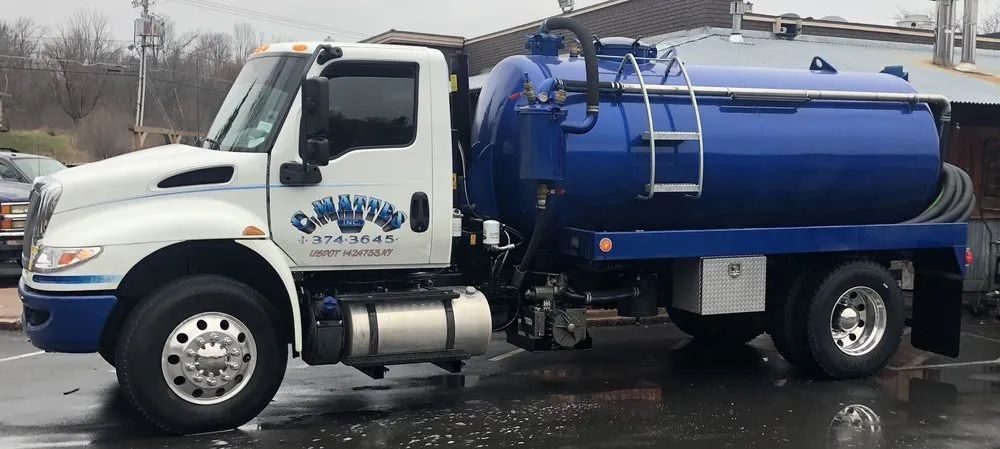
Get your septic tank located and marked before winter buries it — A hidden lid under snow and frozen ground turns routine pumping into a cold dig exactly when you can least afford the delay. C Mattes Inc
has served Syracuse, New York, for 15 years, locating septic tanks, checking access points, and bringing buried lids up to grade with durable risers so crews can reach them quickly in any weather. As a local, licensed, and insured septic team serving Central New York, we help you stay ahead of winter. Reach out today to schedule your septic service and stop losing the lid every winter.