Common Septic Tank Problems Homeowners Overlook
A properly functioning septic tank is a cornerstone of home sanitation, quietly handling waste and protecting both your property and the surrounding environment. Yet, many homeowners overlook the intricacies of maintaining a septic system until issues escalate into costly emergencies. Septic tanks, while durable, are susceptible to a range of problems that can compromise efficiency, lead to contamination, and even damage your property’s landscape. Awareness of these potential issues is critical for homeowners seeking to extend the life of their septic systems and avoid unexpected repair bills.
Many common septic tank problems develop slowly and silently, making them easy to miss during routine household management. From clogged drains to structural failures, ignoring early warning signs can exacerbate the damage and significantly increase repair costs. Understanding these problems, recognizing the signs, and knowing when to call a professional are essential steps in proactive homeownership. This blog explores the most frequently overlooked septic tank issues, providing actionable insights, real-world examples, and expert advice to help homeowners safeguard their investment and maintain a healthy, fully functional septic system.
1. Clogged or Slow Drains
Causes of Drain Clogs
Clogged or slow drains are one of the most common septic tank problems homeowners fail to recognize early. These blockages often result from the accumulation of solids that have not properly decomposed in the tank. Flushing non-biodegradable items such as wipes, sanitary products, or excessive amounts of grease can exacerbate this issue. Tree roots infiltrating the drain field may also obstruct wastewater flow, causing backups in sinks, toilets, and showers.
Warning Signs Signs
Homeowners may notice slow drainage in sinks, bathtubs, or showers before a complete system failure occurs. Gurgling sounds from plumbing fixtures, foul odors near drains, or water pooling in the yard are additional indicators. These early warning signs should prompt immediate inspection to prevent larger, more expensive problems.
Best Practices for Prevention
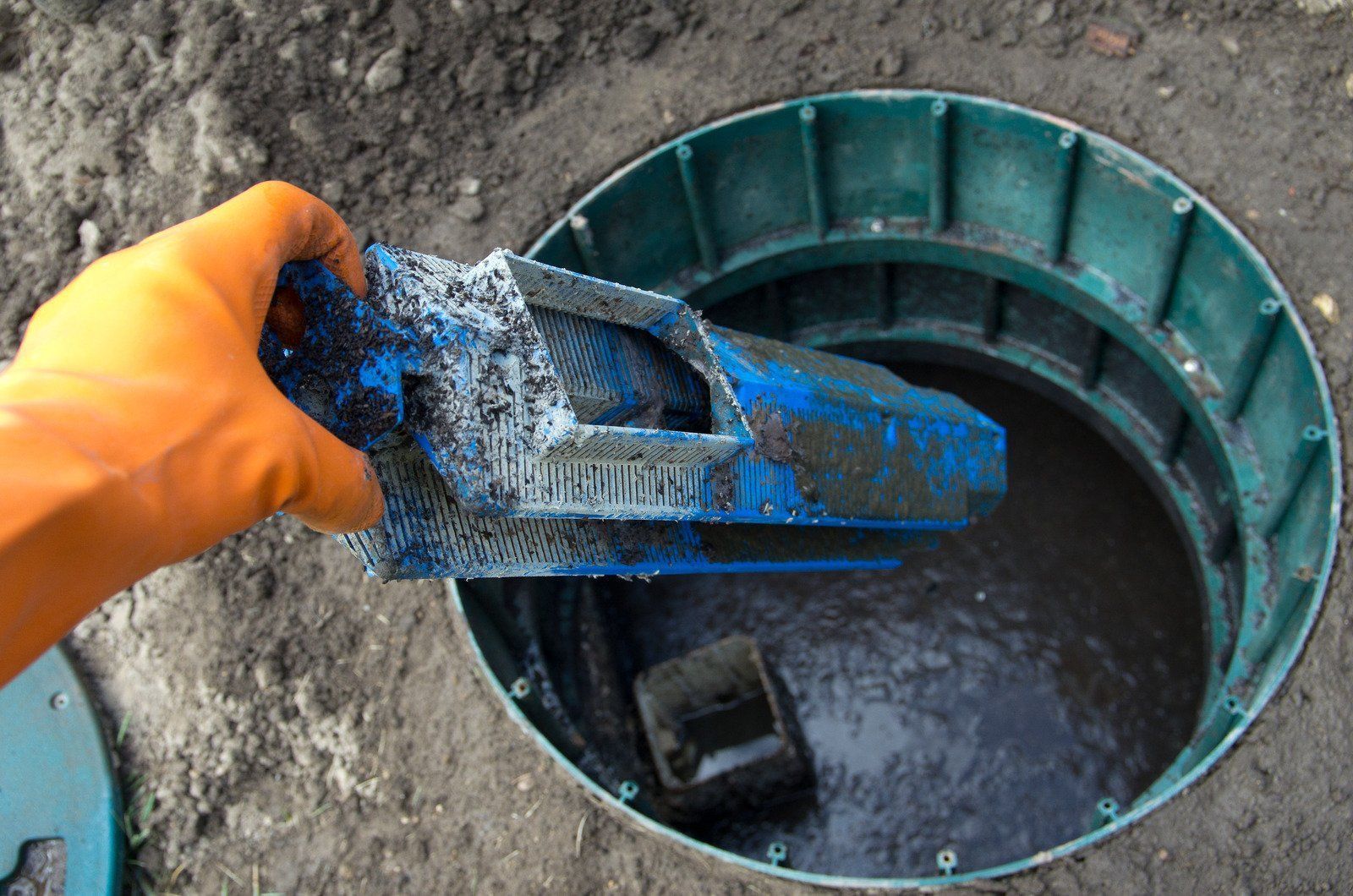
Regular pumping of the septic tank, typically every three to five years, helps prevent solids from building up. Avoiding flushing non-biodegradable materials and limiting grease disposal are equally important. In some cases, installing root barriers or rerouting trees near the drain field may prevent root intrusion.
Warning Signs Signs
A homeowner in upstate New York ignored minor slow drainage for months, eventually experiencing a complete septic backup in the basement. Routine inspection could have identified the partial blockage early, saving thousands in repairs.
2. Leaking or Damaged Septic Tank
Structural Damage Causes
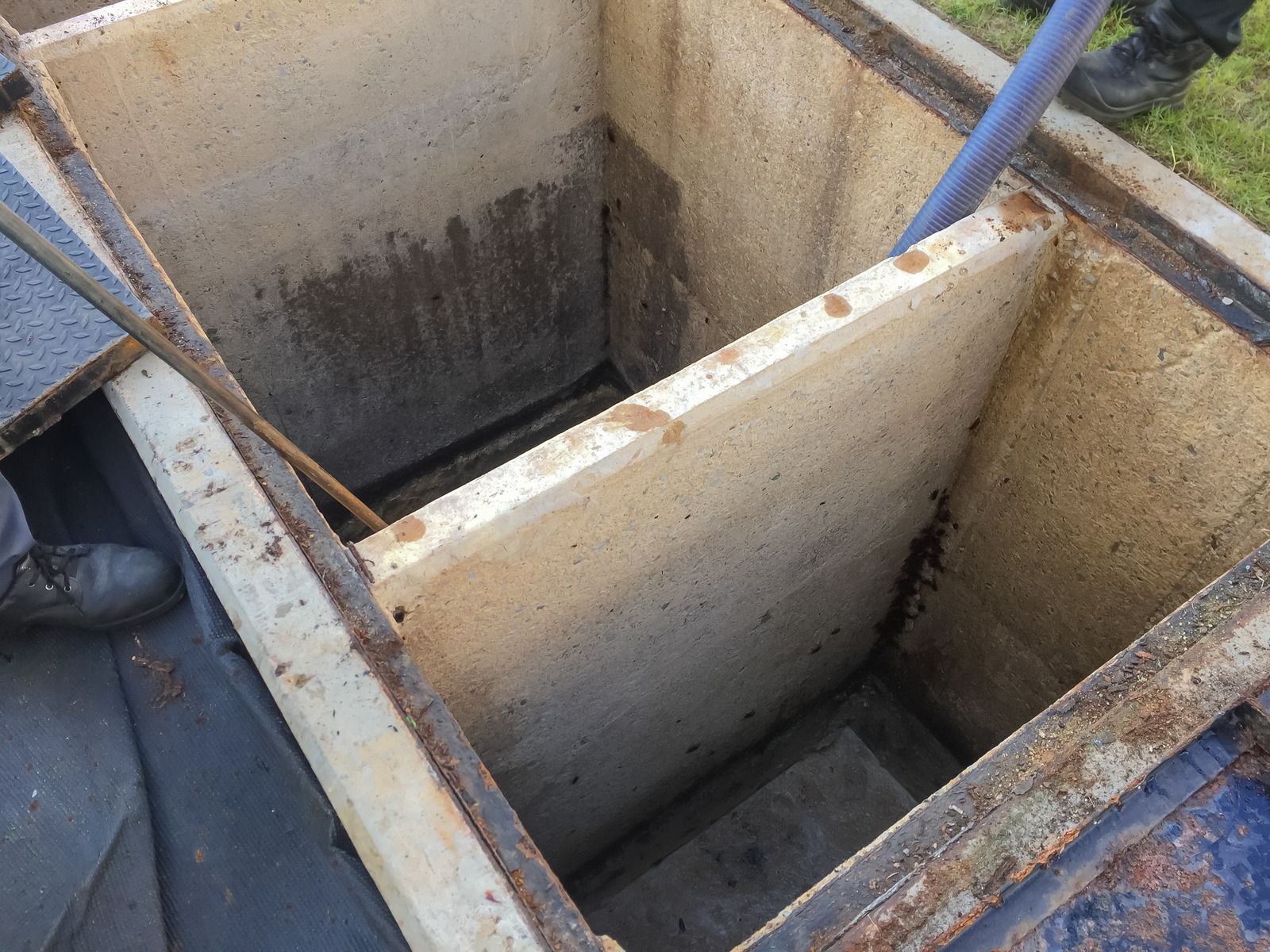
Septic tanks can develop cracks or leaks due to natural wear and tear, ground shifting, or improper installation. Concrete tanks are particularly prone to cracking over time, while plastic and fiberglass tanks may be damaged by external pressure or impact. Structural issues allow untreated sewage to seep into the surrounding soil, posing serious health and environmental hazards.
Identifying Leaks
Common indicators include unusually lush patches of grass over the tank area, wet spots in the yard, or persistent odors of sewage. Early detection of leaks is essential to prevent contamination of drinking water sources and local waterways.
Preventative Measures
Ensuring proper installation, avoiding heavy machinery or vehicles near the tank, and scheduling regular inspections can mitigate damage risk. Professional inspection using cameras or pressure testing can detect leaks before they escalate.
Challenges
Undetected leaks can lead to soil contamination, requiring extensive excavation and remediation. Homeowners may also face fines if untreated waste affects local water bodies, emphasizing the need for prompt intervention.
3. Drain Field Failures
Understanding the Drain Field
The drain field, or leach field, is a critical component of a septic system where treated wastewater is absorbed into the soil. Overloading the system with excessive water or solid waste, poor soil absorption, or improper design can lead to drain field failure. When the field becomes saturated, wastewater can pool on the surface, creating health risks and unpleasant odors.
Common Causes of Failure
- Overuse of water, such as frequent laundry or irrigation
- Compacted soil or heavy machinery driving over the field.
- Tree root intrusion blocking pipes
- Inadequate maintenance and tank pumping
Signs of a Failing Drain Field
- Slow-draining sinks and toilets
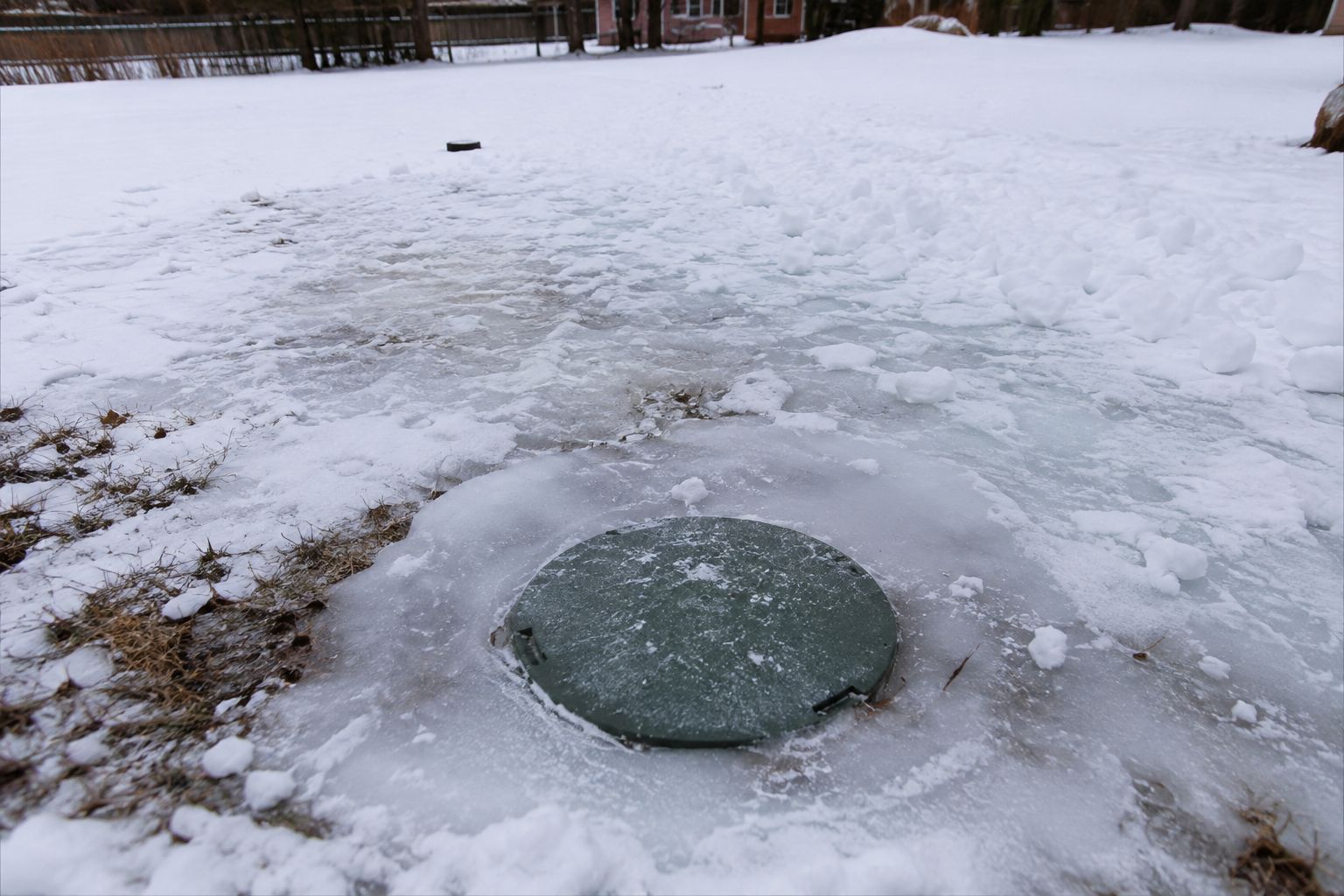
- Water or sewage surfacing near the drain field
- Unpleasant odors in the yard or home
- Lush or unusually green grass over the field, indicating nutrient-rich wastewater
Expert Tips for Prevention
Homeowners should limit water usage during peak times, distribute laundry loads evenly, and avoid planting trees near the drain field. Regular septic tank pumping ensures solids do not reach the field and clog it. When designing a new system, soil testing and professional consultation can prevent future failures.
4. Sewage Odors
Causes of Odors
Foul smells are a clear indication that something is wrong within the septic system. Common causes include a full tank, blocked vent pipes, or a failing drain field. Anaerobic bacteria in the tank produce gases such as hydrogen sulfide, which can escape through vents or plumbing fixtures if the system is compromised.
Proper Waste Disposal
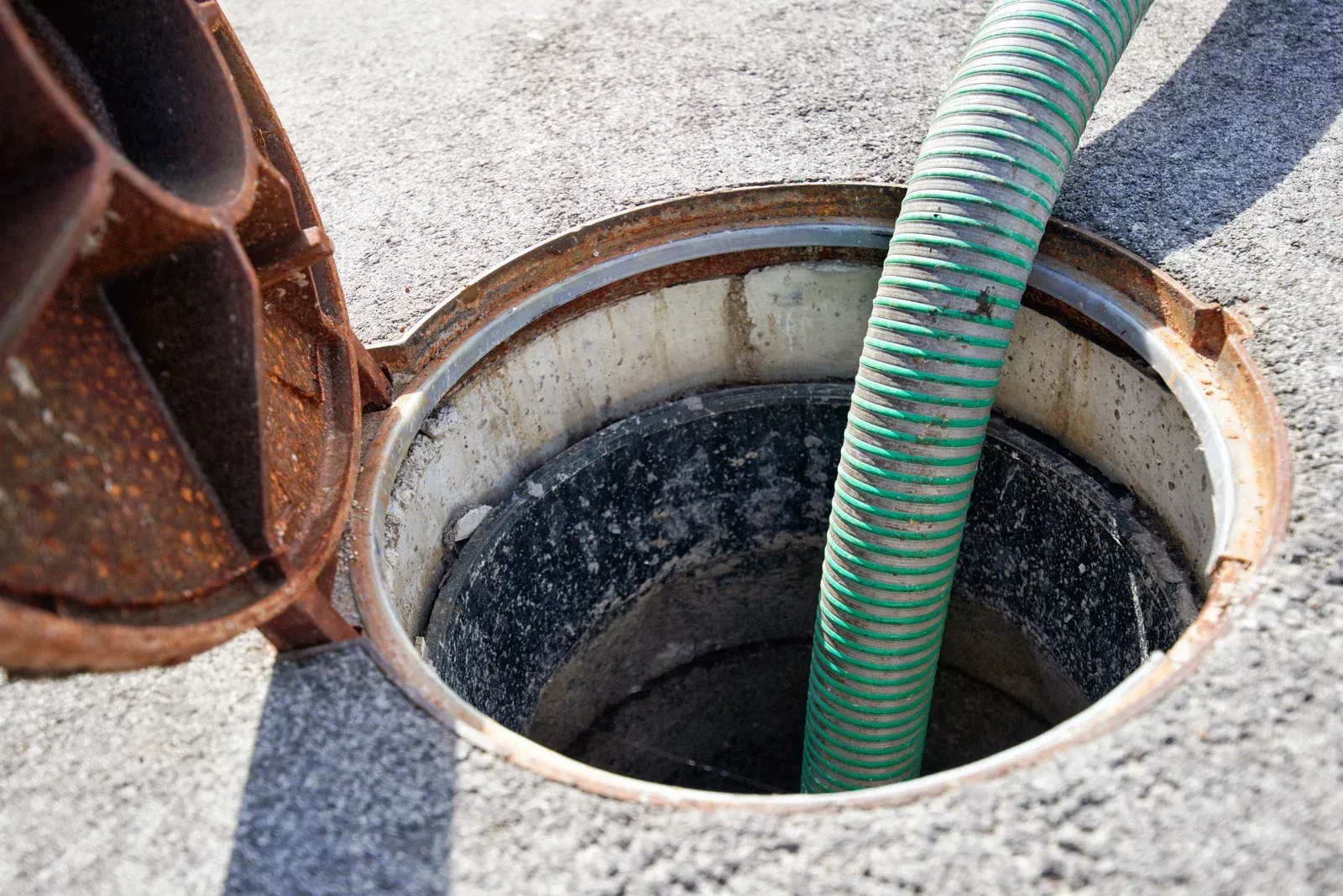
The removed wastewater is transported to certified treatment facilities for safe and environmentally responsible disposal. Environmental regulations dictate strict handling procedures, preventing potential soil or water contamination. Using licensed disposal services ensures full compliance with local laws and actively protects public health.
Recognizing Odor Patterns
Odors inside the home typically suggest a blocked vent or dry plumbing trap, while odors outdoors near the tank or drain field point to leaks, saturation, or tank overflows. Ignoring these smells can indicate the problem is worsening.
Mitigation and Maintenance
Ensuring the tank is regularly pumped, keeping vent pipes clear, and preventing excessive water usage are key strategies to control odors. Adding bacteria-based septic treatments can support the natural breakdown of solids but should not replace routine maintenance.
Real-Life Scenario
A homeowner reported a persistent sewage smell near their kitchen sink, which was traced to a blocked vent pipe. Cleaning the vent restored proper airflow and eliminated the odor without requiring major repairs.
5. Excessive Water Usage
Impact on Septic Systems
Septic systems are designed to handle a specific volume of wastewater. Excessive water usage strains the system, preventing solids from settling and potentially flushing them into the drain field. Over time, this can reduce system efficiency and lead to backups or field saturation.
Common Water-Overuse Issues
- Long showers and frequent baths
- Multiple laundry loads in a short period
- Automatic irrigation or sprinklers near the drain field
- Leaky faucets and running toilets
Preventative Measures
Homeowners should practice water conservation and distribute laundry loads throughout the week. Installing high-efficiency toilets, faucets, and showerheads reduces the daily volume of wastewater entering the septic system. Regular monitoring of water usage can alert homeowners to leaks that might otherwise go unnoticed.
Expert Advice
Professionals often recommend a water budget for homes with older septic systems. Maintaining a balance between daily usage and system capacity prevents strain and prolongs the life of both the tank and the drain field.
6. Chemical Interference
Risks of Household Chemicals
Household cleaning agents, antibacterial soaps, and chemical additives can disrupt the natural bacterial balance in septic tanks. These bacteria are essential for breaking down solids; killing them slows decomposition and increases the risk of clogs and overflows.
Misconceptions About “Septic-Safe” Products
Many products marketed as septic-safe may still contain chemicals that reduce bacterial activity if used excessively. Overuse of bleach, ammonia, or antibacterial cleaners can compromise the system over time.
Best Practices
- Limit the use of harsh chemicals
- Avoid flushing paints, solvents, or medications
- Use septic-safe alternatives for cleaning whenever possible
Benefits of Proper Chemical Management
Maintaining a healthy bacterial balance reduces solids accumulation, minimizes odors, and prolongs the lifespan of both the tank and the drain field. Homeowners can avoid expensive repairs by simply being mindful of the products they introduce into the system.
7. Infrequent Maintenance
The Importance of Routine Inspection
Neglecting regular septic system maintenance is a leading cause of overlooked problems. Tanks should be inspected every 1–3 years, with pumping schedules based on household size, tank capacity, and water usage.
Consequences of Ignoring Maintenance
Failure to maintain the system can lead to backups, drain field failure, and structural damage. Repair costs in these scenarios often exceed the expense of routine maintenance by a significant margin.
Recommended Practices
- Schedule professional inspections and pumping on a consistent timeline
- Monitor water usage and watch for early warning signs of system stress
- Keep detailed maintenance records to guide future service decisions
Real-World Impact
In a suburban Syracuse community, multiple homes experienced septic failures due to skipped pumping schedules. Homeowners who adhered to professional maintenance plans avoided these costly issues, highlighting the importance of proactive care.
Experienced Professionals Safeguarding Your Septic System Reliability
Septic Tanks are critical components of home sanitation, yet many homeowners overlook the issues that can compromise their function. Slow drains, structural damage, drain field failure, odors, excessive water usage, chemical interference, and inadequate maintenance are all problems that can escalate quickly if left unaddressed. By recognizing the early warning signs, practicing preventive maintenance, and consulting professionals, homeowners can protect their property, ensure system longevity, and avoid costly repairs.
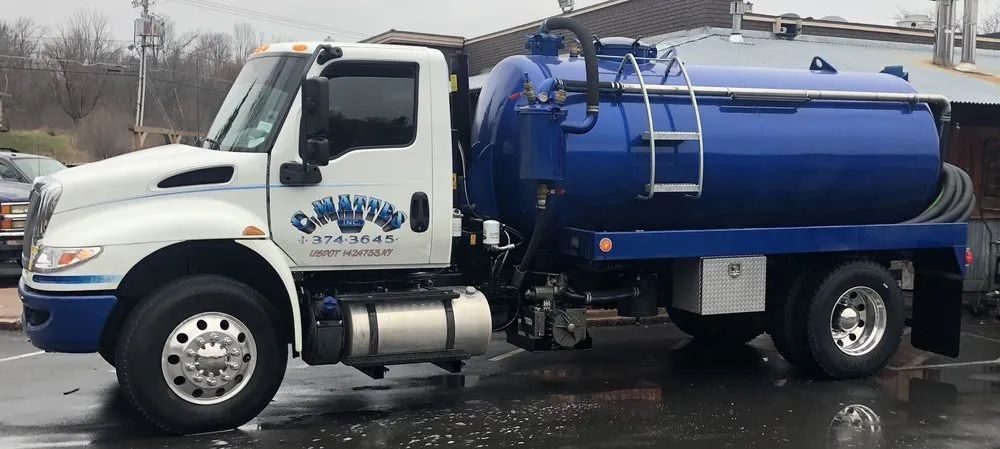
For residents of Syracuse, NY, C Mattes Inc. stands as a trusted authority in septic system management. With 15the company provides comprehensive inspections, maintenance, and repair services tailored to each homeowner’s needs. Their team combines expertise with proactive solutions to prevent overlooked
septic tank problems
from becoming emergencies. Homeowners can rely on C Mattes Inc. to deliver professional, thorough, and dependable service, ensuring a safe and fully functional septic system year-round. Trust in their experience to safeguard your home’s sanitation and environmental health.