How to Identify Early Warning Signs of Septic Tank Failure?
A properly functioning septic tank plays a vital role in maintaining home sanitation and environmental safety. Despite being hidden beneath the surface, its performance directly affects daily living and property value. Unfortunately, septic tanks can fail silently, leading to costly repairs, health hazards, and property damage. Recognizing early warning signs is essential for homeowners, property managers, and industry professionals who aim to prevent system failures before they escalate. Understanding the indicators of potential problems ensures timely intervention and prolongs the lifespan of the septic system, safeguarding both health and investment. Regular monitoring, combined with awareness of common warning signs, empowers property owners to take control of system maintenance and avoid unexpected emergencies that can disrupt daily routines.
Septic tank failure is not always dramatic or sudden. Minor changes in drainage patterns, odors, or soil conditions often signal the beginning of a system breakdown. Early detection minimizes disruptions, reduces repair costs, and prevents environmental contamination. By being proactive and informed, property owners can implement preventive maintenance and address issues effectively. This guide provides detailed insights into the most common signs of septic system problems, practical explanations, real-world examples, and actionable solutions. Learning to identify these signals early ensures optimal functionality and preserves the efficiency and reliability of the septic system over the long term. Following these best practices can also enhance overall property value and reduce environmental impact, creating a safer, more sustainable living space.
Changes in Drainage Performance
Slow Drains
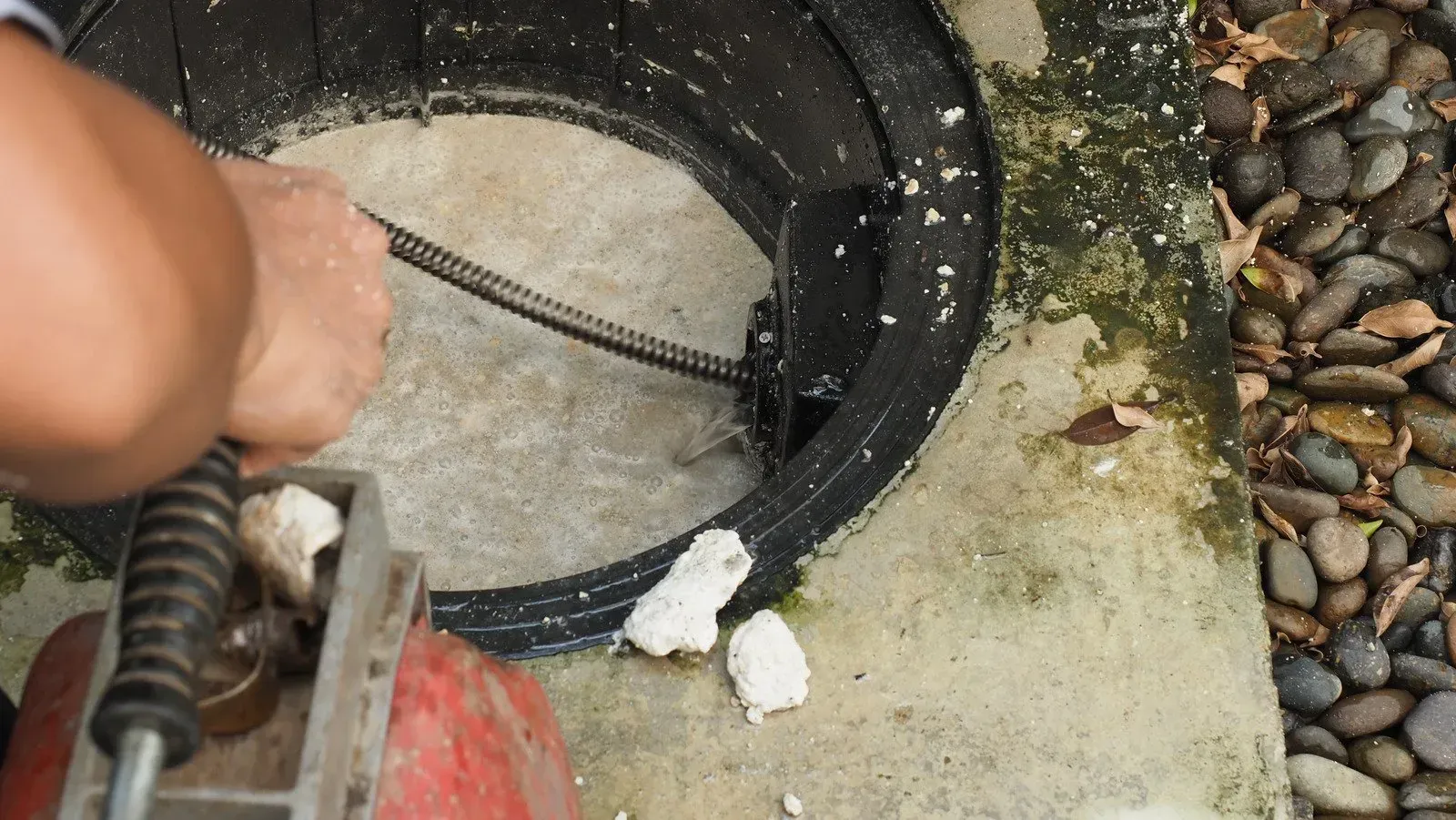
A noticeable slowdown in water drainage is often the first indication of a septic system issue. Kitchen sinks, showers, and bathtubs draining slower than usual may point to a buildup of solids in the tank or clogged pipes. Persistent slow drainage should not be dismissed as a minor plumbing inconvenience. Over time, these blockages can cause backups into the home, creating unsanitary conditions and extensive repair requirements. Monitoring drainage patterns regularly provides an early alert, allowing for timely pumping or pipe inspection before system failure occurs.
Frequent Backups
Recurring toilet or sink backups indicate that the septic tank or drain field is not processing wastewater efficiently. Backup events may occur after heavy water usage or persist under normal conditions, suggesting a deeper problem within the tank or leach field. Ignoring these signs increases the likelihood of sewage overflow, soil contamination, and property damage. Documenting the frequency and timing of backups helps determine whether the system requires immediate attention or routine maintenance.
Wet Spots and Pooling Water
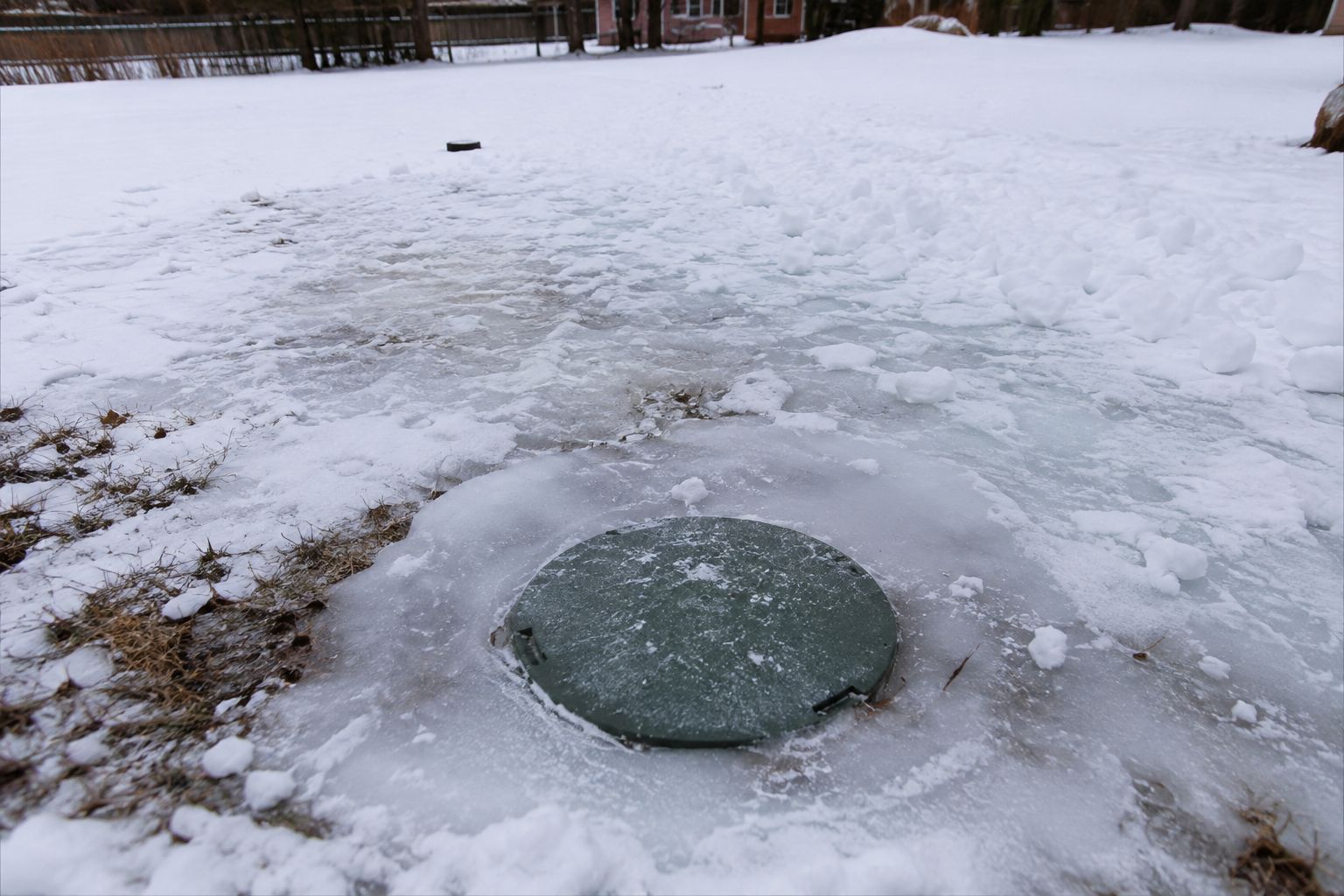
Unusual water accumulation in the yard, particularly near the septic tank or drain field, signals a failing system. Persistent wet spots often result from effluent surfacing due to clogs, saturated soil, or a damaged drain field. Such conditions not only disrupt landscaping but also indicate potential environmental hazards. Proactive inspections, soil assessments, and tank maintenance can prevent worsening conditions and preserve the integrity of the drainage system.
Unusual Odors Around the Property
Foul Smells
Foul odors emanating from drains, the yard, or the septic tank itself are one of the most noticeable early warning signs of failure. Strong sewage smells indicate that wastewater is not being properly treated or contained within the system. These odors often appear near the tank lid, vent pipes, or in areas where the drain field is saturated. Consistent smells should prompt immediate inspection, as they can pose health risks and reduce comfort in residential or commercial spaces.
Odors After Rainfall
If unpleasant smells intensify following rainfall, it may indicate that the septic system’s drain field is unable to absorb excess water. Heavy rain can exacerbate existing weaknesses, pushing untreated wastewater to the surface. Observing odor patterns in relation to weather conditions provides valuable insight into the system’s capacity and functionality. Addressing these concerns early prevents environmental contamination and protects local water sources.
Gas Accumulation
Gases such as methane and hydrogen sulfide are natural byproducts of septic system operation. However, if these gases become concentrated and noticeable in the living environment or yard, it indicates poor ventilation or system blockage. Identifying these early signs reduces the risk of exposure and ensures that corrective measures, such as aeration or cleaning, are implemented promptly.
Vegetation and Soil Indicators
Lush Vegetation
Unusually green or dense patches of grass over the drain field may indicate excess nutrients from a failing septic system. Nutrient-rich effluent reaching the surface creates favorable conditions for rapid plant growth. While this may seem beneficial aesthetically, it actually signals that untreated wastewater is escaping the system, increasing environmental and health risks.
Soil Saturation
Soggy, muddy areas near the tank or drain field are warning signs of poor percolation. Saturated soil prevents proper absorption and treatment of wastewater, resulting in system inefficiency and potential overflow. Frequent observation of soil conditions can alert homeowners to developing issues before visible backups occur indoors.
Erosion or Depressions
Depressions, sinkholes, or soil erosion above the septic tank may indicate structural compromise. Settling soil often results from tank leaks or the collapse of underground components. Addressing erosion early through soil stabilization and professional inspection prevents further damage, protects property value, and ensures continued system reliability.
Water Quality Concerns
Discolored Water
Septic failure can introduce contaminants into local water sources. Water testing may reveal discoloration or unusual sediment, signaling that effluent is not being properly filtered or treated. Homeowners relying on wells should pay special attention to water quality as a key indicator of system health. Immediate action prevents exposure to harmful bacteria and pathogens.
Foul-Tasting Water
Changes in water taste or odor often correlate with system inefficiencies. A metallic, chemical, or sewage-like taste may indicate the presence of contaminants from septic leakage. Regular monitoring and testing of private water supplies provide early warning, allowing corrective action before serious health risks emerge.
Increased Nitrate Levels
Elevated nitrate levels in nearby wells or water bodies frequently accompany failing septic systems. Nitrates can contaminate drinking water and pose serious health risks, particularly for infants and vulnerable populations. Monitoring nitrate concentrations serves as both a safety measure and a diagnostic tool for system performance, highlighting the need for timely maintenance or replacement.
Structural and Mechanical Issues
Cracks and Corrosion
Visible cracks in the septic tank, pipes, or fittings compromise structural integrity and reduce system efficiency. Corrosion, often resulting from acidic effluent, further deteriorates components, creating leaks and blockages. Regular visual inspections and professional assessment detect early signs of wear, preventing complete system failure.
Floating Scum Layers
When solids or scum layers float excessively within the tank, it indicates irregular breakdown and compaction of waste. This imbalance can obstruct outlet pipes, causing slow drainage or backups. Routine tank pumping and monitoring of sludge levels maintain optimal operation and prevent scum accumulation from escalating.
Mechanical Failures
Septic systems with pumps, aerators, or alarms may experience mechanical breakdowns. Nonfunctional pumps or alarms can lead to untreated wastewater overflow, exposing properties to contamination. Routine testing and preventive maintenance ensure that mechanical components operate reliably, reducing the likelihood of emergency repairs.
Maintenance and Monitoring Best Practices
Regular Pumping
Scheduling regular septic tank pumping is the most effective preventive measure. Pumping intervals depend on tank size, household water usage, and system load. Adhering to a consistent schedule prevents sludge buildup, reduces scum accumulation, and maintains proper drainage performance.
Professional Inspections
Periodic inspections by certified septic professionals identify early warning signs invisible to the untrained eye. Inspections include checking sludge levels, evaluating drain field absorption, and assessing tank integrity. Early intervention through professional assessment minimizes repair costs and extends system lifespan.
Water and Usage Management
Limiting excessive water use, avoiding harsh chemicals, and properly disposing of solids protect the septic system from stress and blockages. Balanced usage prevents overloading and ensures wastewater is adequately treated before reaching the drain field.
Record Keeping
Maintaining detailed records of maintenance, inspections, and any repair work helps track system performance over time. Records provide valuable insight for early detection, compliance with local regulations, and planning future upgrades.
Dependable Maintenance Strategies for Every Property Owner
Early identification of septic tank failure ensures health, safety, and property preservation. Observing drainage changes, unusual odors, vegetation anomalies, water quality issues, and structural concerns provides actionable insights into system performance. Proactive monitoring and maintenance prevent costly emergencies and extend system longevity. Utilizing professional inspections, regular pumping, and careful water management addresses potential failures before they escalate. Staying informed about system behavior and acting on early warning signs not only protects the home but also supports sustainable environmental practices, reducing the risk of contamination and costly legal or municipal issues.
C Mattes Inc, located in Syracuse, NY, offers 15
years of expertise in septic system evaluation,
maintenance, and repair. With a focus on reliability and environmental responsibility, C Mattes Inc
provides homeowners and property managers with thorough inspections, precise diagnostics, and effective solutions for all septic-related concerns. Committed to excellence, the company emphasizes preventive care, timely intervention, and long-term system performance. Leveraging in-depth knowledge and proven strategies, C Mattes Inc
ensures septic systems operate efficiently, safeguarding both property and well-being. Trusted throughout the region, the company stands as a dependable authority for maintaining healthy, fully functional septic systems. By combining advanced techniques, personalized service, and a commitment to best practices, C Mattes Inc
delivers peace of mind and lasting results for every property served.

How Neglected Grease Traps Can Disrupt Your Business — And What Regular Pumping Does to Prevent That