Why Regular Grease Trap Cleaning is Critical for Restaurants?
Restaurants operate on a delicate balance of efficiency, hygiene, and compliance. Among the less visible yet critically important components of a commercial kitchen is the grease trap. These devices prevent fats, oils, and grease (FOG) from entering the wastewater system, protecting plumbing infrastructure and local sewer networks. Neglecting regular maintenance of grease traps can lead to blockages, unpleasant odors, and costly repairs that disrupt operations and harm a restaurant’s reputation. Recognizing the importance of consistent grease trap cleaning is not just a matter of compliance but an essential aspect of operational excellence.
For restaurant owners, chefs, and facility managers, the consequences of ignoring grease trap maintenance can extend far beyond minor inconveniences. Backed-up drains, slow water flow, and foul odors can affect kitchen productivity, employee morale, and customer experience. Moreover, regulatory bodies often require strict adherence to grease disposal and cleaning schedules, with violations resulting in fines or even temporary closure. Understanding the mechanisms, benefits, and best practices for grease trap cleaning equips establishments with the knowledge to prevent preventable setbacks, maintain a hygienic environment, and ensure sustainable kitchen operations. This blog explores why regular grease trap cleaning is a critical component of restaurant management, offering actionable insights and professional guidance.
1. Understanding Grease Traps and Their Function
What is a Grease Trap?
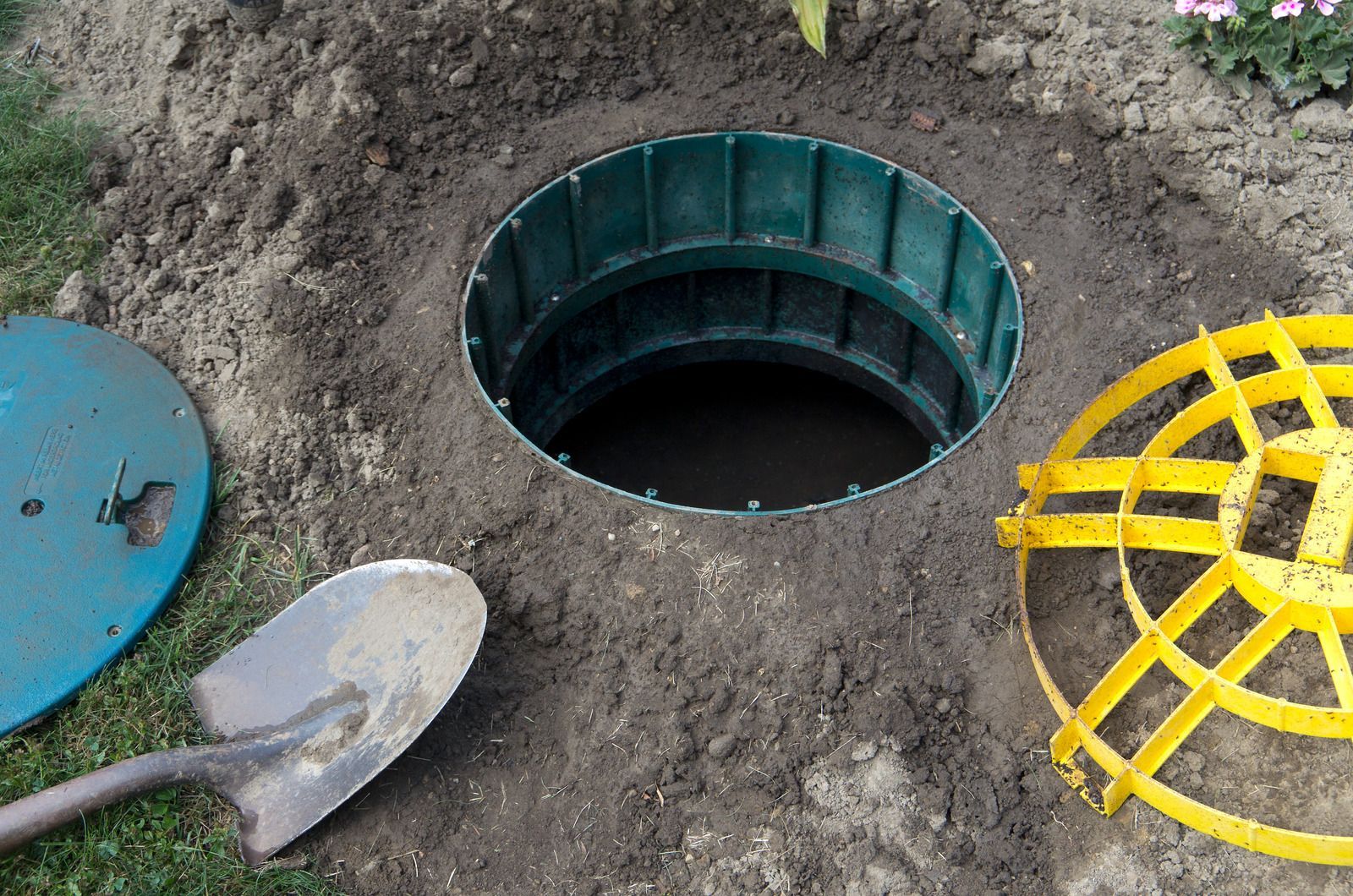
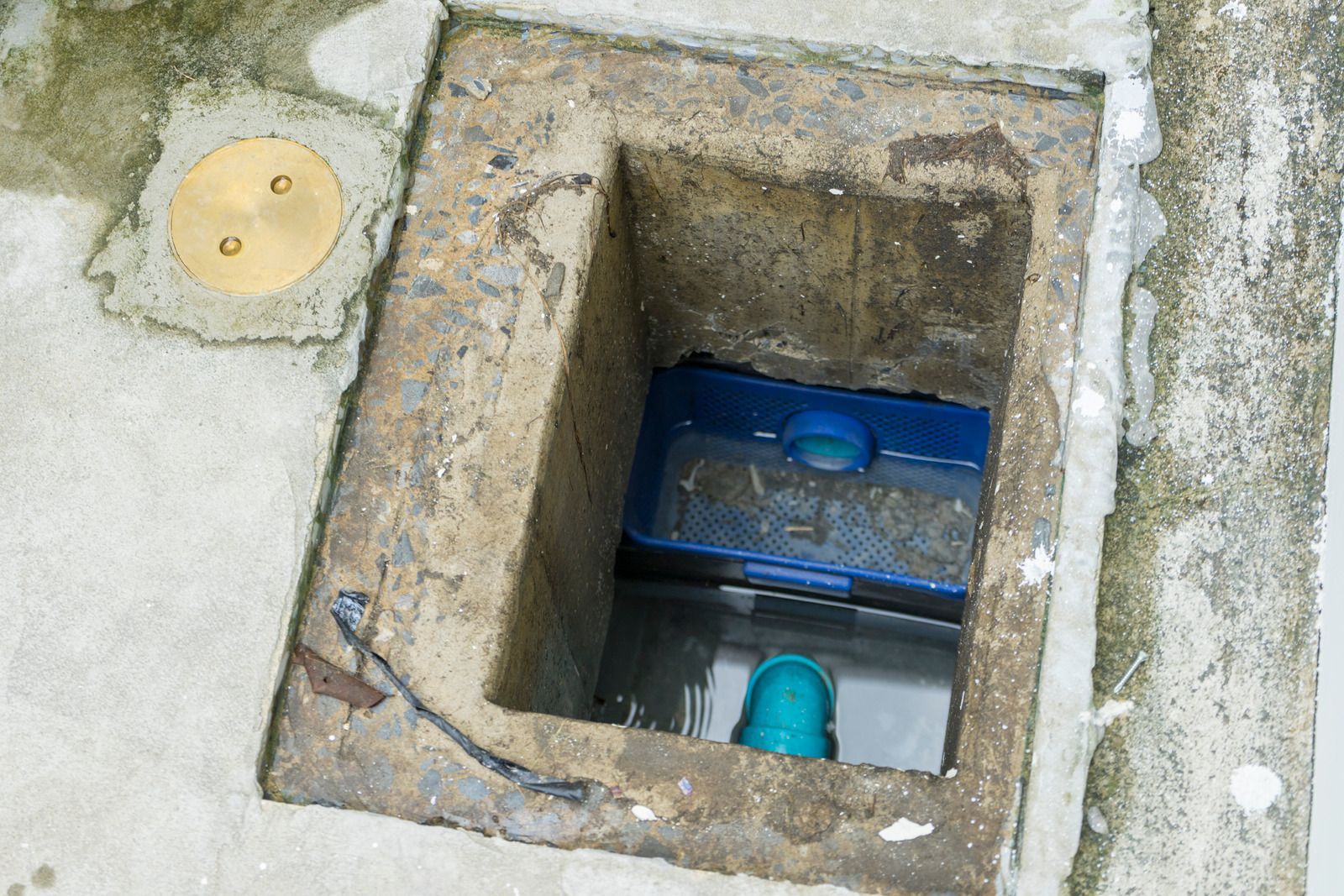
A grease trap is a plumbing device designed to capture FOG before it enters the sewage system. Installed in commercial kitchens, these traps collect grease from sinks, dishwashers, and food preparation areas, separating it from water. The purpose is to prevent clogs, minimize environmental impact, and maintain proper wastewater flow.
How Grease Traps Work
Grease traps operate on a simple principle: as water from kitchen operations flows into the trap, fats and oils, which are less dense than water, rise to the top. Heavier food particles settle at the bottom, and relatively clear water exits the trap into the drainage system. Over time, FOG accumulates, reducing the trap’s effectiveness and creating the need for periodic cleaning.
Real-World Scenario
Consider a busy restaurant during peak hours. Dishwashing machines discharge significant amounts of cooking oil into the sinks. Without a functioning grease trap, the kitchen can experience slow drains, backflows, and unpleasant odors, forcing temporary shutdowns. A clean and properly maintained grease trap ensures that FOG is captured efficiently, water flows freely, and the kitchen operates without interruption.
Understanding how grease traps function establishes the foundation for recognizing why regular maintenance is essential. Cleaning intervals, proper disposal methods, and monitoring FOG accumulation are necessary to protect infrastructure, maintain hygiene standards, and meet environmental regulations.
2. Risks of Neglecting Grease Trap Cleaning
Plumbing Blockages
When grease accumulates in pipes beyond the trap, it can solidify and create significant blockages. These blockages may lead to slow drainage, sink overflows, or even major plumbing repairs. Restaurants experiencing frequent backups can face costly downtime, disrupting service and affecting revenue.
Health and Safety Concerns
A neglected grease trap can emit foul odors and attract pests, including rodents and insects. Such conditions compromise kitchen hygiene and pose risks to staff and customers. Accumulated FOG can also contribute to slippery floors, increasing the likelihood of accidents and potential liability claims.
Regulatory Violations
Local municipalities enforce strict codes regarding FOG disposal and grease trap maintenance. Ignoring regular cleaning schedules can result in fines, penalties, or temporary closure of the establishment. Restaurants without documented maintenance records may face compliance challenges during inspections.
Environmental Impact
Grease discharged into the sewer system can damage municipal wastewater treatment facilities and contaminate waterways. Clogged pipes lead to untreated wastewater overflows, negatively impacting the local environment and community. Regular maintenance ensures compliance with environmental standards while demonstrating responsible business practices.
Example of Consequence
A popular mid-sized restaurant in an urban area faced repeated drain blockages due to infrequent grease trap cleaning. Plumbing costs exceeded several thousand dollars, operations were interrupted, and the establishment received a warning from local health authorities. Proper cleaning schedules could have prevented these outcomes, highlighting the importance of proactive maintenance.
Neglecting grease trap cleaning presents significant operational, legal, and environmental risks, underscoring the need for a structured maintenance program.
3. Benefits of Regular Grease Trap Maintenance
Operational Efficiency
Regular cleaning ensures smooth drainage and prevents kitchen disruptions. Clear, unobstructed plumbing enables staff to work efficiently, reducing downtime during peak service hours. Restaurants experience fewer emergencies and can allocate resources more effectively.
Cost Savings
Proactive maintenance reduces the need for emergency plumbing repairs or pipe replacement. While cleaning incurs minor operational costs, it is significantly lower than addressing blockages, overflow damage, or health code violations. Investing in preventive measures translates to long-term financial savings.
Compliance Assurance
Consistent cleaning demonstrates adherence to municipal codes and environmental regulations. Maintaining documented cleaning records helps restaurants pass inspections without penalties and establishes a track record of responsible waste management.
Improved Hygiene and Safety
A clean grease trap reduces odors, minimizes pest infestations, and prevents the formation of hazardous slippery surfaces. Maintaining a safe and hygienic kitchen protects employees and enhances customer trust, contributing to a positive dining experience.
Enhanced Equipment Longevity
Grease buildup can damage kitchen plumbing and connected appliances. Routine cleaning protects sinks, drains, and dishwashers from premature wear, reducing repair and replacement costs over time.
Real-World Example
A family-owned bistro implemented a quarterly grease trap cleaning schedule. Over two years, the restaurant reported zero drainage issues, improved staff efficiency, and a marked reduction in emergency plumbing costs. The proactive approach reinforced compliance and enhanced the establishment’s overall reputation.
Regular maintenance is not merely a regulatory obligation; it is a strategic approach that supports operational continuity, cost management, safety, and customer satisfaction.
4. Best Practices for Grease Trap Cleaning
Establish a Cleaning Schedule
Determine cleaning frequency based on kitchen size, volume of FOG generated, and local regulations. Small kitchens may require monthly cleaning, while high-volume operations might need weekly attention. Scheduling ensures consistent removal of grease before it accumulates excessively.
Professional Cleaning Services
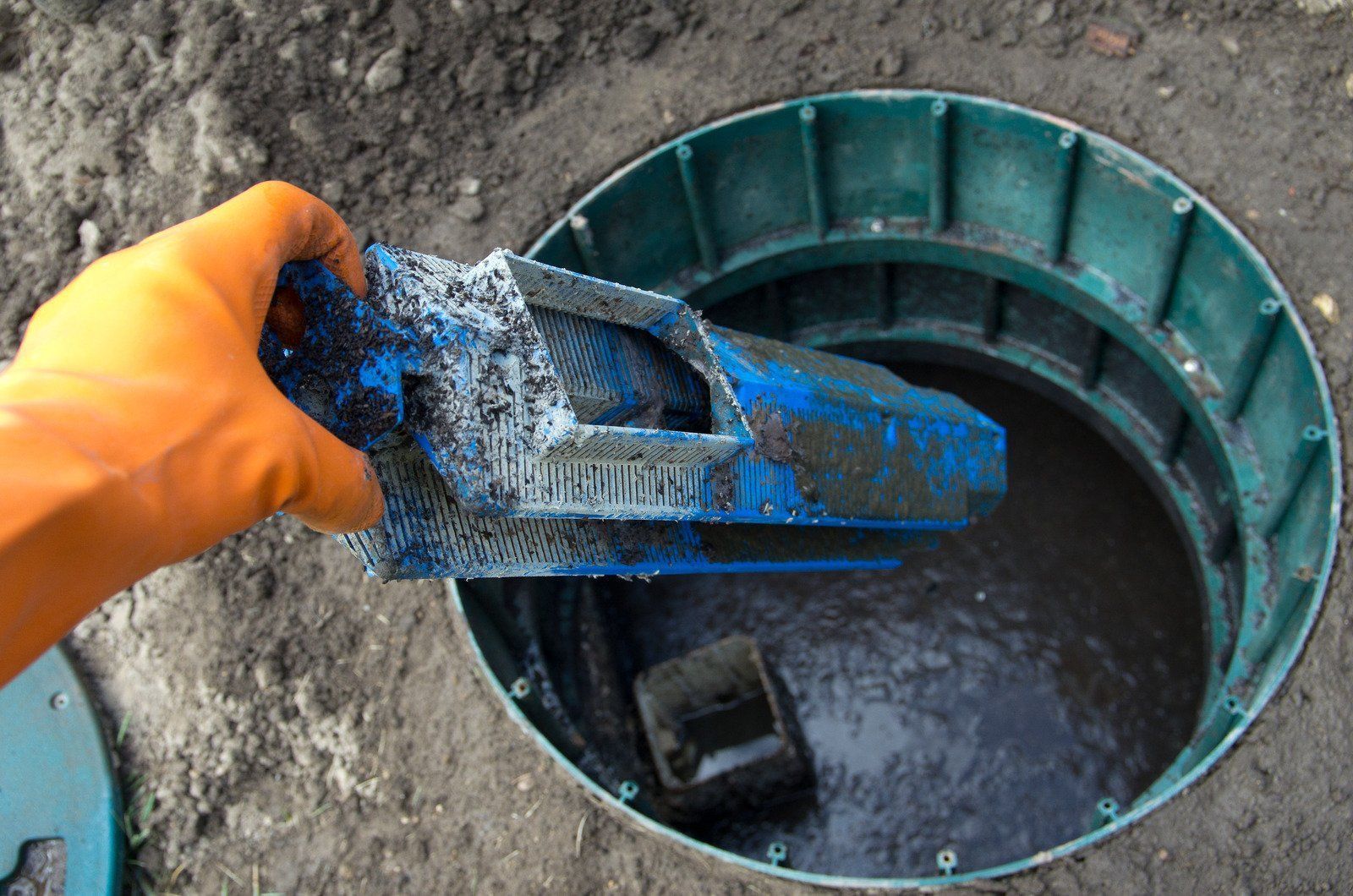
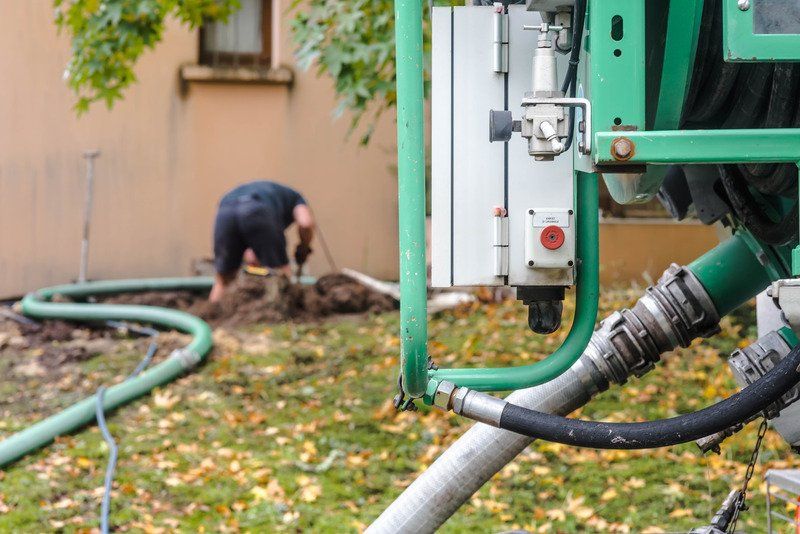
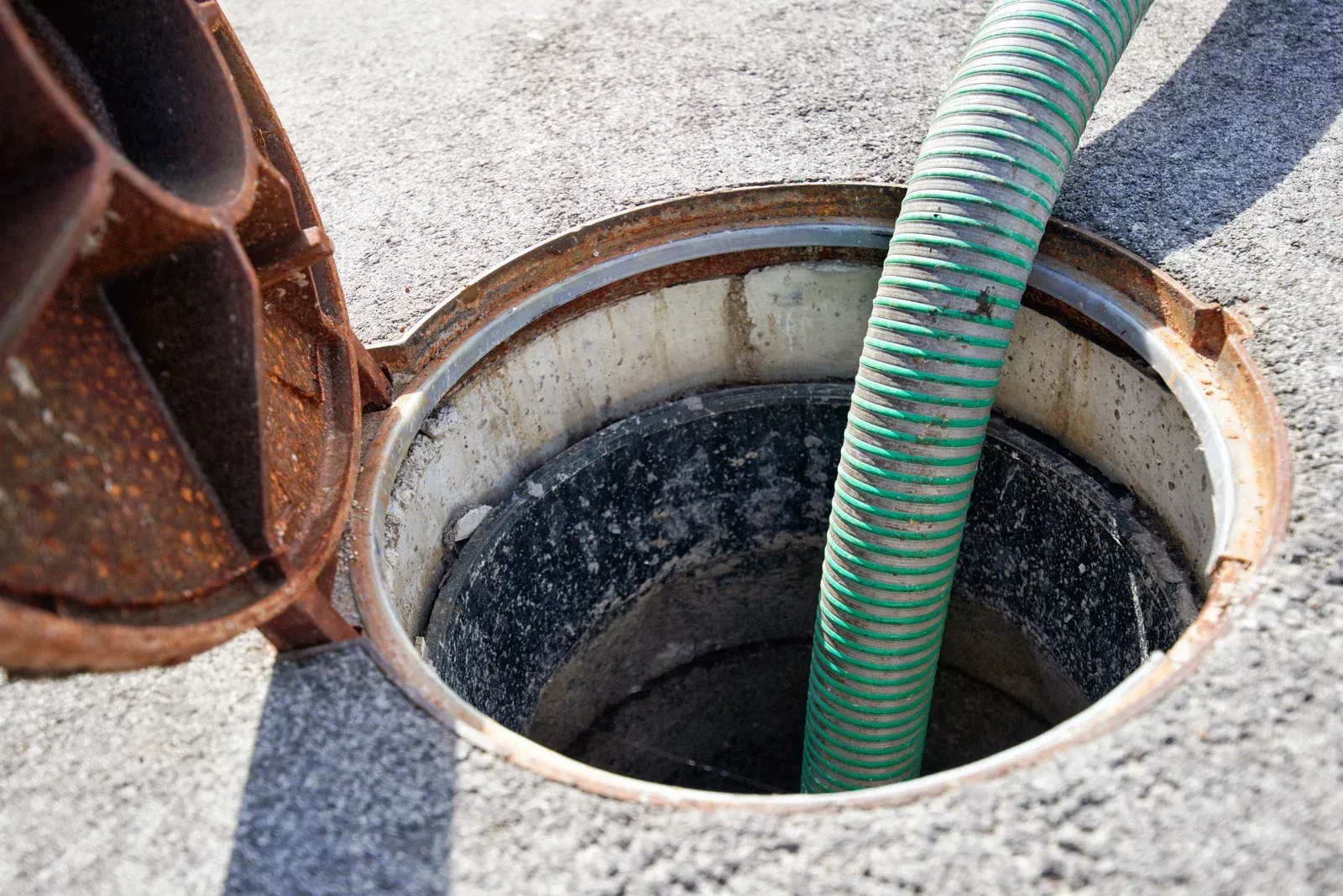
Engaging experienced service providers ensures thorough cleaning, proper FOG disposal, and compliance with local codes. Professionals use specialized equipment to remove solids, fats, and oils efficiently, reducing the risk of contamination or incomplete cleaning.
Proper Disposal of Fats and Oils
Collected grease should never be poured into sinks or storm drains. Dispose of FOG according to environmental guidelines, either through licensed recycling facilities or approved waste management channels. Responsible disposal protects the environment and prevents fines.
Regular Inspections
Visual inspections between cleanings can detect early signs of grease buildup, leaks, or structural damage. Staff can monitor water flow, odor, and sediment levels, allowing proactive intervention before serious problems arise.
Staff Training
Kitchen staff should understand the importance of minimizing grease entry into drains. Practices such as scraping pans, using strainers, and avoiding the disposal of large food particles contribute to overall trap effectiveness.
Documentation
Maintain a record of cleaning dates, service providers, and grease disposal methods. Documentation provides proof of compliance, supports internal audits, and demonstrates commitment to best practices.
Example Scenario
A chain of casual dining restaurants implemented weekly professional grease trap cleaning, coupled with daily staff checks. This dual approach minimized grease accumulation, prevented odor complaints, and ensured uninterrupted operations. Documentation of each cleaning cycle also simplified regulatory inspections.
Following these best practices guarantees that grease traps function optimally, kitchens remain safe and hygienic, and operations avoid costly disruptions or violations.
5. Signs Indicating Grease Trap Maintenance is Needed
Slow Drains
Water pooling in sinks or slow drainage indicates grease accumulation. Immediate action prevents blockages and reduces the risk of overflow.
Foul Odors
Persistent, unpleasant odors in the kitchen often originate from trapped FOG. Cleaning the grease trap eliminates these smells and maintains a sanitary environment.
Overflow or Backflow
When grease traps are full, wastewater can back up into sinks or floors, creating unsafe conditions and disrupting operations.
Visible Grease Accumulation
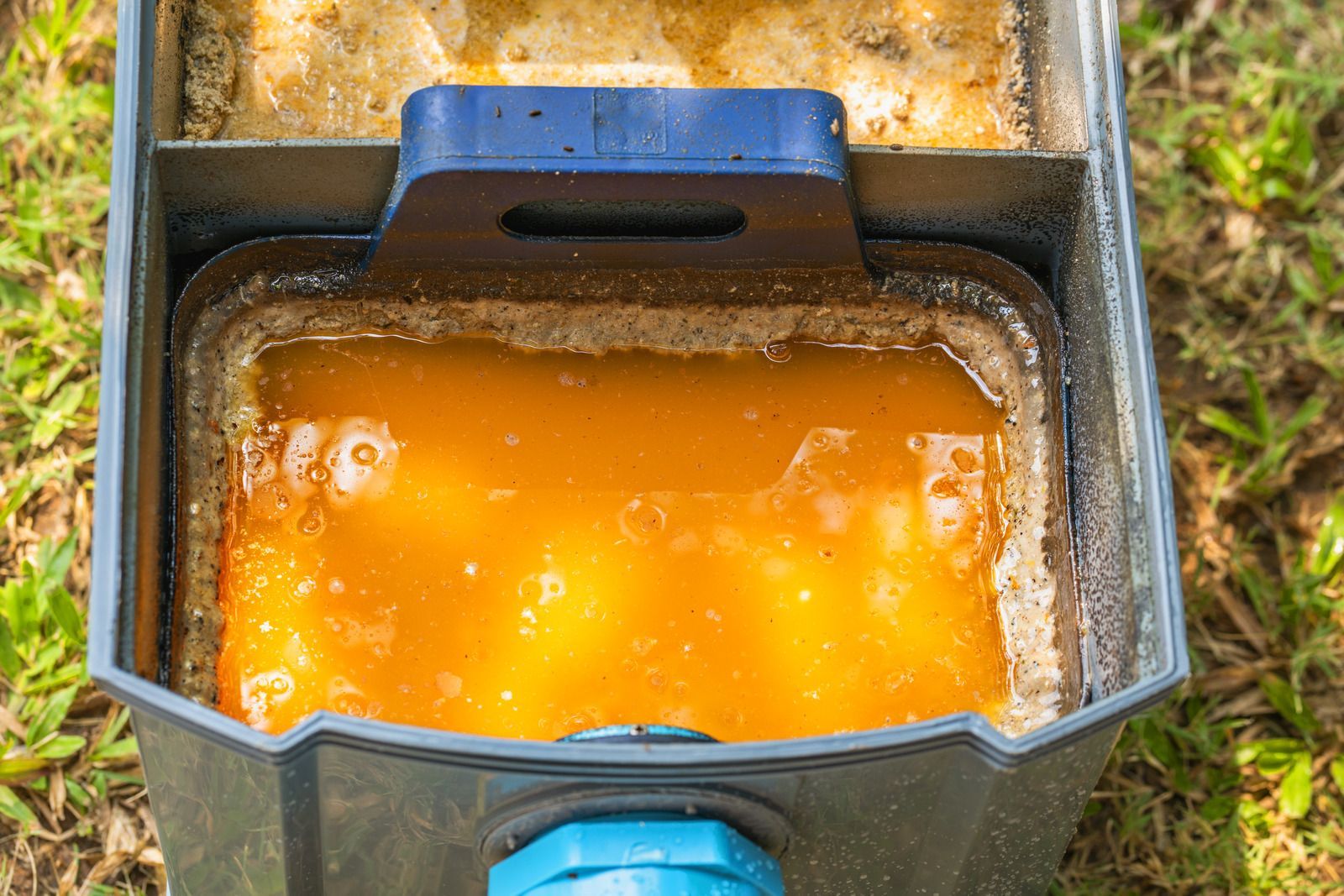
Inspect the trap visually. A thick layer of fats and oils at the surface or sediment at the bottom signals that cleaning is overdue.
Health Code Violations
Receiving warnings from health inspectors regarding odors or drainage issues often reflects inadequate maintenance. Prompt cleaning resolves violations and prevents fines.
Recognizing these warning signs early allows restaurants to take proactive measures, protecting operations, ensuring safety, and maintaining compliance.
Experienced Specialists Supporting Smooth Kitchen Operations
Regular grease trap cleaning is a vital component of restaurant operations. Understanding the function of grease traps, the risks associated with neglect, and the benefits of proactive maintenance provides clarity on why consistent cleaning cannot be overlooked. Operational efficiency, cost savings, regulatory compliance, improved hygiene, and equipment longevity are all directly tied to proper grease trap management. By establishing a cleaning schedule, engaging professional services, and educating staff, kitchens maintain smooth workflows, prevent emergencies, and uphold high standards of cleanliness. Early warning signs such as slow drains, foul odors, overflow, and visible grease accumulation serve as critical indicators for immediate action. Incorporating these practices ensures restaurants avoid expensive repairs, health violations, and reputational damage, creating a safer and more productive work environment.
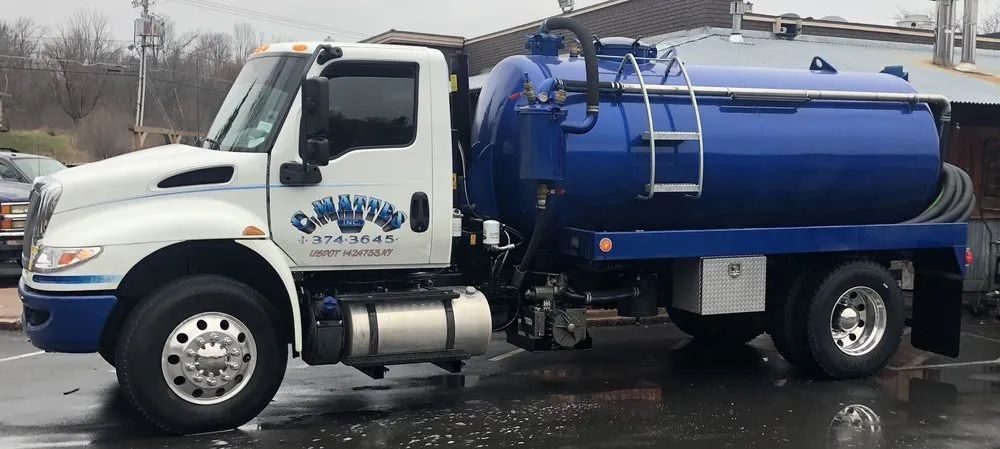
At C Mattes Inc, based in Syracuse, NY, we bring 15
years of experience in providing
professional grease trap maintenance and cleaning
solutions. Our expertise ensures that restaurants, cafes, and commercial kitchens maintain clean, compliant, and efficient plumbing systems. We focus on thorough FOG removal, responsible disposal practices, and preventive strategies that protect infrastructure and support uninterrupted operations. Partnering with us allows businesses to mitigate risks, enhance safety, and maintain the high standards expected by both regulators and patrons. Trust C Mattes Inc
to deliver consistent, high-quality grease trap cleaning that safeguards operations and promotes long-term sustainability in the foodservice industry.