The Hidden Risks of Neglecting Your Grease Trap
Grease traps play a vital yet often overlooked role in commercial kitchens, restaurants, and food service establishments. These devices are designed to capture fats, oils, and grease (FOG) before they enter the plumbing system, preventing blockages, backups, and costly repairs. While grease traps operate quietly in the background, neglecting regular maintenance can result in serious operational and financial consequences. Many establishments underestimate the importance of routine cleaning, leading to plumbing emergencies that disrupt daily operations and pose health hazards. In addition, failure to maintain a grease trap can shorten the lifespan of plumbing systems and increase overall maintenance costs, creating ongoing operational strain. Understanding the hidden risks of neglecting a grease trap is essential for maintaining efficiency, compliance, and profitability, while also supporting long-term business sustainability.
Beyond the immediate plumbing concerns, an unmaintained grease trap can create a ripple effect impacting sanitation, safety, and environmental compliance. FOG accumulation can cause foul odors, attract pests, and even violate local health codes, resulting in fines or forced closures. Moreover, untreated grease entering municipal sewer systems can contribute to blockages and environmental pollution. Left unchecked, these issues can damage a business’s reputation, lead to customer dissatisfaction, and hinder smooth daily operations. Awareness of these risks is not just a matter of maintenance—it is a strategic approach to safeguarding the kitchen, protecting customers, and ensuring long-term operational stability. In this blog, practical insights and actionable strategies will illustrate why proactive grease trap management is critical for any food service operation and how it can improve operational efficiency and regulatory compliance.
Understanding Grease Traps and Their Function
What a Grease Trap Does
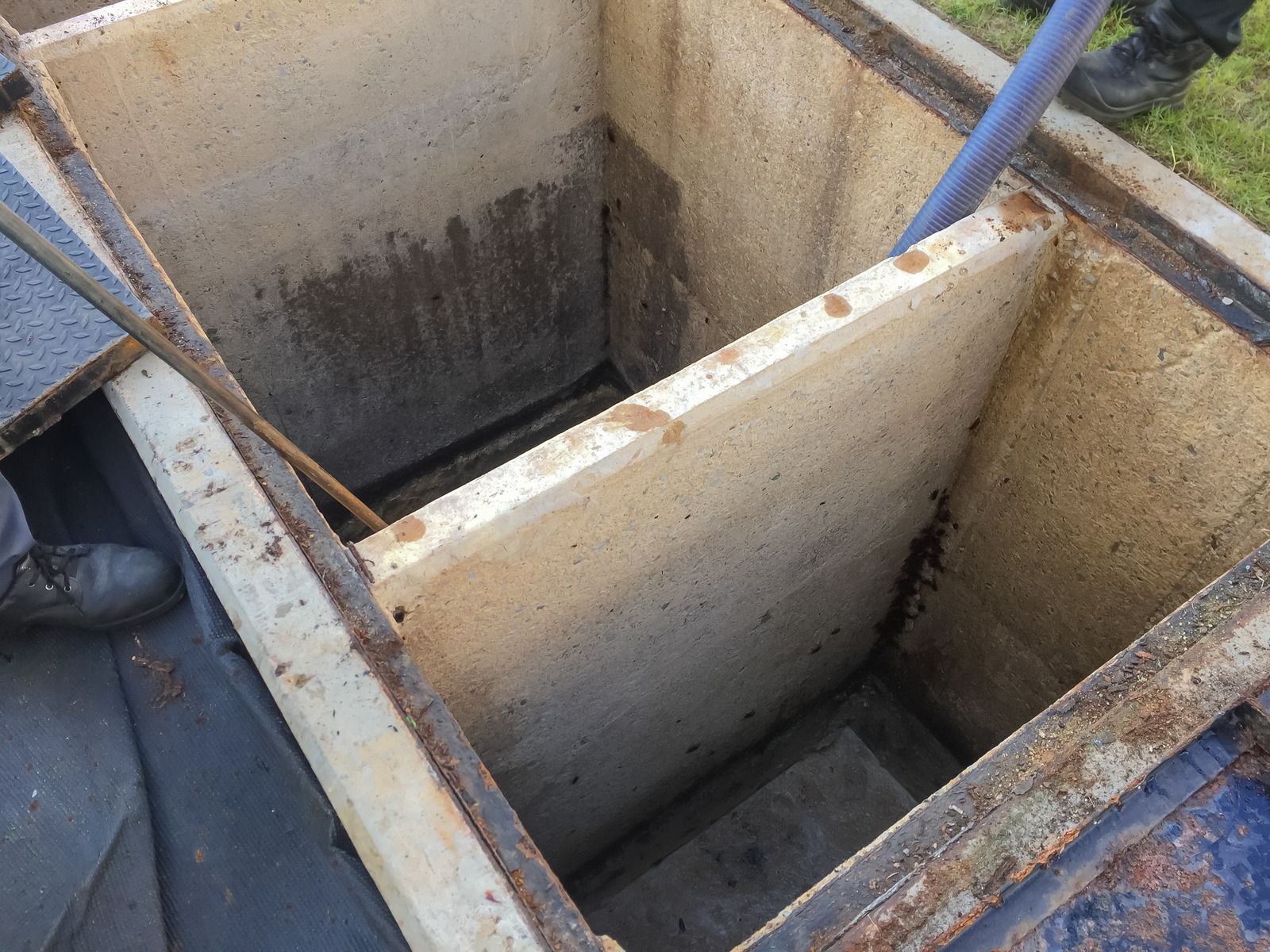
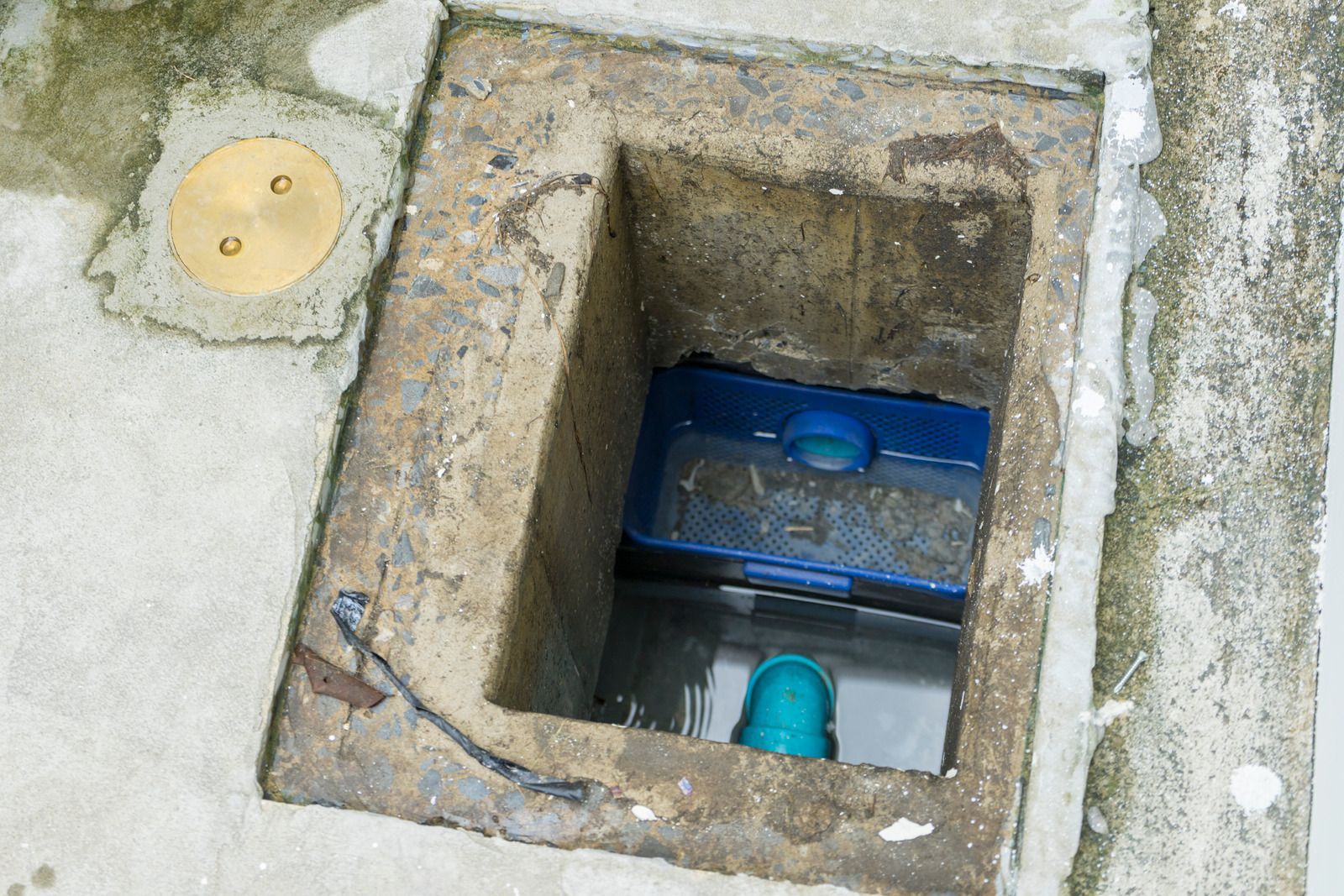
A grease trap is a plumbing device installed between kitchen drains and the main sewer line. Its primary function is to intercept fats, oils, and grease before they flow into the municipal wastewater system. These substances, if allowed to enter drains, solidify over time and can cause significant blockages. The trap slows down the flow of wastewater, allowing grease to float to the surface while solids settle at the bottom. Cleaner water then exits through the trap and into the sewer line. This simple yet effective mechanism safeguards both the facility’s plumbing infrastructure and the surrounding environment.
Types of Grease Traps
Grease traps come in several designs, including passive and automatic models. Passive traps rely on gravity to separate grease, making them suitable for smaller kitchens. Automatic or hydromechanical traps use internal mechanisms to increase efficiency, often handling larger volumes of wastewater with reduced manual cleaning requirements. Each type has unique maintenance requirements and operational guidelines. Understanding the correct grease trap type for a specific kitchen size and workflow is crucial. Improper installation or mismatched capacity can accelerate grease buildup, reduce the trap’s efficiency, and increase the likelihood of plumbing issues.
The Consequences of Neglect
Plumbing Blockages and Backups
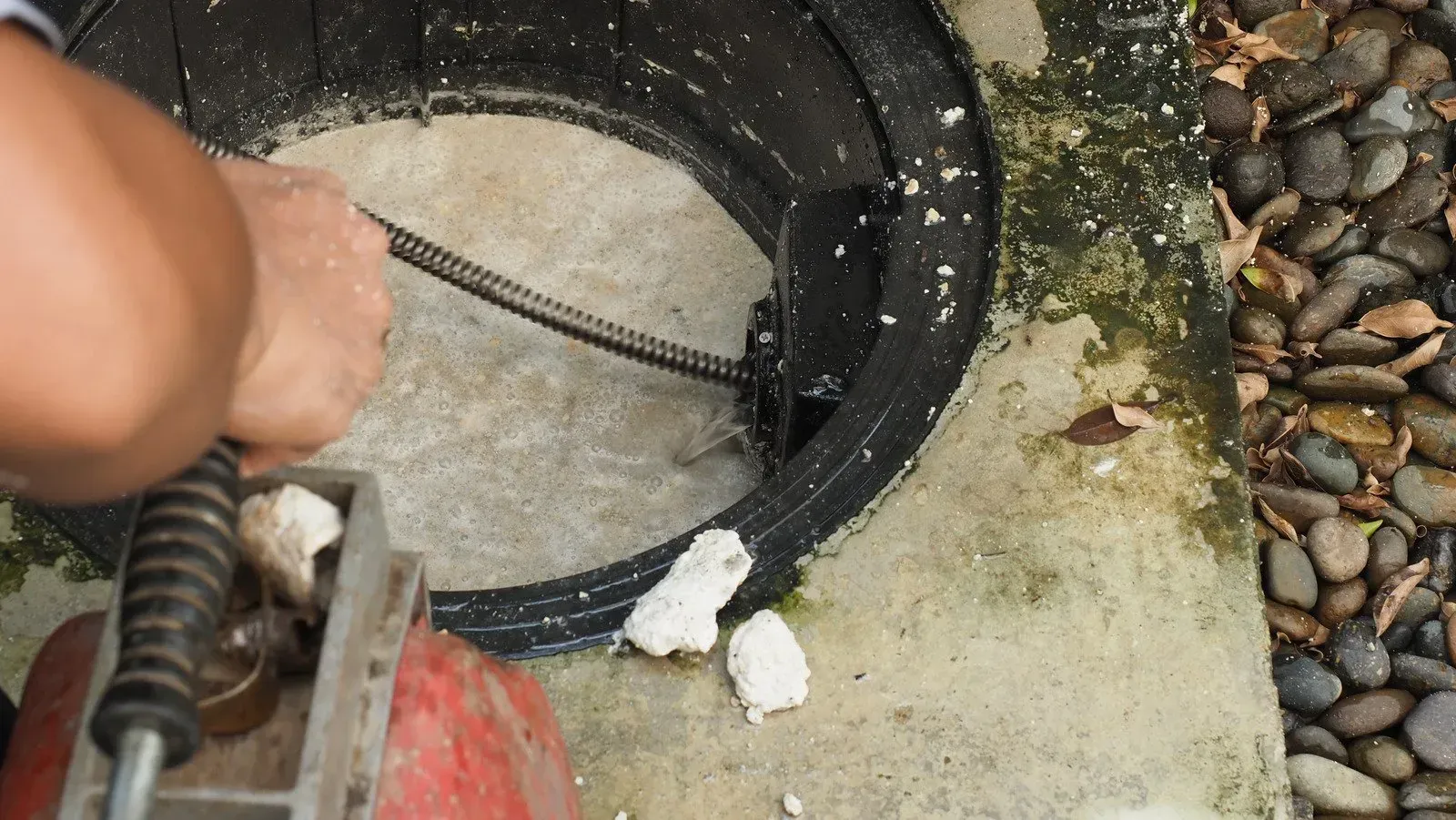
One of the most immediate risks of ignoring grease trap maintenance is plumbing blockages. As fats and oils accumulate, they harden inside pipes, restricting water flow. Over time, this buildup can result in slow drains, overflows, and, in severe cases, complete system failures. These incidents not only disrupt kitchen operations but also lead to costly emergency repairs that far exceed the investment required for routine cleaning.
Health and Sanitation Risks
Neglected grease traps can create unsanitary conditions, producing foul odors that permeate the kitchen and dining areas. These odors often indicate bacterial growth within the trap, attracting pests such as flies and rodents. In addition to discomforting staff and customers, these conditions may violate local health regulations. Restaurants and commercial kitchens face inspection penalties, fines, or even temporary closures if grease traps are not properly maintained.
Environmental and Legal Implications
Allowing grease to bypass the trap and enter municipal sewer systems can have environmental consequences, including contamination of water sources and increased treatment costs for municipalities. Many regions enforce strict regulations on grease disposal, and non-compliance can result in legal action. Neglecting the grease trap may thus expose a business to fines, lawsuits, and reputational damage, further underscoring the importance of proactive maintenance.
Signs a Grease Trap Needs Attention
Slow Drains and Frequent Clogs
A clear indicator of grease trap issues is slow drainage or recurrent clogs. When fats, oils, and grease accumulate beyond the trap’s capacity, wastewater struggles to flow freely. Monitoring drainage patterns helps detect early warning signs before they escalate into more severe plumbing problems.
Foul Odors
Persistent unpleasant odors near sinks or kitchen drains often signal that a grease trap is overdue for cleaning. The odor originates from decomposing organic matter and bacteria buildup within the trap. Addressing this promptly not only improves workplace hygiene but also enhances the overall customer experience.
Overflow or Backup
Overflow incidents, where grease-laden water spills back into the kitchen, are extreme but serious indicators of trap neglect. Such events compromise safety, create slip hazards, and require immediate professional intervention.
Visual Inspection
Regular inspections allow observation of grease accumulation levels within the trap. If the grease layer exceeds 25% of the trap’s capacity, immediate cleaning is necessary. This proactive measure helps maintain system efficiency and prevents sudden failures.
Best Practices for Maintenance
Routine Cleaning Schedule
Establishing a consistent cleaning schedule is the cornerstone of effective grease trap management. Cleaning frequency depends on kitchen size, menu type, and volume of FOG produced, but monthly service is generally recommended for most commercial kitchens. High-volume establishments may require biweekly maintenance.
Professional Servicing
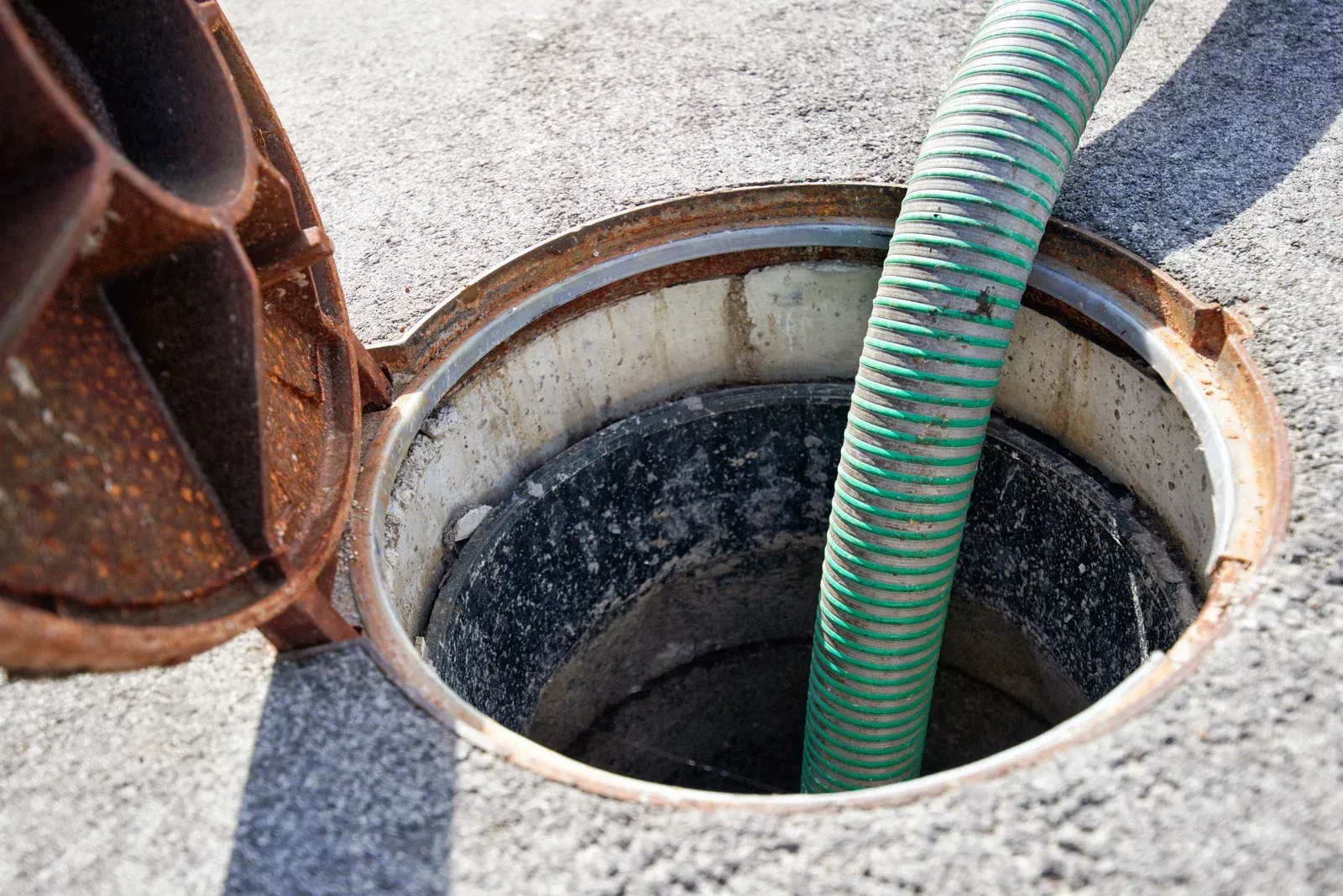
Engaging trained professionals ensures thorough grease trap cleaning, proper disposal of waste, and compliance with local regulations. Professionals can inspect for wear, corrosion, or mechanical issues that may compromise the trap’s effectiveness, extending the lifespan of the system.
Record Keeping and Compliance
Maintaining detailed records of grease trap cleaning, including dates, service reports, and waste disposal receipts, helps demonstrate compliance during health inspections. These records provide a clear operational history and can protect against fines or legal challenges in case of a municipal audit.
Employee Training
Visual inspections between cleanings can detect early signs of grease buildup, leaks, or structural damage. Staff can monitor water flow, odor, and sediment levels, allowing proactive intervention before serious problems arise.
Advanced Strategies and Long-Term Solutions
Installing High-Capacity or Automatic Traps
Upgrading to larger-capacity or automatic grease traps improves efficiency in high-volume kitchens. Automatic models can separate grease more effectively and reduce manual cleaning requirements. This investment not only mitigates risk but also enhances operational workflow.
Grease Management Systems
Incorporating grease management systems, such as grease interceptors combined with pre-treatment solutions, further minimizes the risk of trap overflow and plumbing issues. These systems can monitor grease levels and alert staff when maintenance is needed, ensuring proactive intervention.
Regular System Audits
Scheduling periodic audits of the plumbing and grease trap system identifies potential issues before they escalate. Audits provide insights into long-term trends in FOG accumulation and enable adjustments in cleaning schedules or trap capacity to match operational demands.
Eco-Friendly Disposal Practices
Adopting environmentally responsible disposal methods for FOG ensures compliance with local regulations and minimizes environmental impact. Recycling or repurposing grease for biofuel production offers sustainability benefits while reinforcing the establishment’s commitment to responsible operations.
Real-World Implications
Case Study: Restaurant Closure
Consider a mid-sized restaurant that neglected its grease trap for several months. Fats and oils accumulated to the point of complete pipe blockage, causing a severe kitchen overflow. The incident forced temporary closure, resulted in emergency plumbing costs exceeding thousands of dollars, and triggered a health department fine. Routine cleaning could have prevented both the operational and financial consequences.
Operational Efficiency
Consistently maintained grease traps reduce kitchen downtime caused by clogs and overflows. A well-functioning system supports uninterrupted workflow, improves food safety, and maintains staff productivity. Preventive maintenance ultimately enhances customer satisfaction and protects revenue streams.
Cost-Benefit Analysis
While professional grease trap cleaning incurs regular expenses, these costs are far lower than emergency plumbing repairs, health fines, or lost business due to closures. Investing in proactive maintenance is a financially sound strategy that safeguards both operational stability and compliance with regulatory standards.
Experts Delivering Proactive Grease Trap Management Solutions
Neglecting grease traps presents multiple hidden risks, from plumbing blockages and health hazards to environmental compliance issues and legal liabilities. Recognizing early warning signs, establishing routine maintenance schedules, and employing professional cleaning services are critical steps in mitigating these risks. Incorporating long-term solutions, such as high-capacity traps and grease management systems, ensures sustained efficiency, reduces unexpected costs, and supports safe, hygienic kitchen operations.
At C Mattes Inc, based in Syracuse, NY, expertise in grease trap maintenance has been honed over 15
years. Comprehensive services include regular inspections, professional cleaning, and compliance support, ensuring kitchens operate safely and efficiently. Commitment to excellence, reliability, and industry best practices establishes us as a trusted authority in
grease trap management. By prioritizing proactive maintenance, operational disruptions, fines, and environmental risks can be effectively minimized. Partnering with experienced professionals helps protect infrastructure, maintain regulatory compliance, and enhance overall kitchen performance, reinforcing the importance of a well-maintained grease trap system.
How Neglected Grease Traps Can Disrupt Your Business — And What Regular Pumping Does to Prevent That